Anthropocene Exhibition
NextNature.netNext Nature Network will take part in the Deutsches Museum exhibit "Welcome to the Anthropocene: The Earth in Our Hands".

Next Nature Network will take part in the Deutsches Museum exhibit "Welcome to the Anthropocene: The Earth in Our Hands".
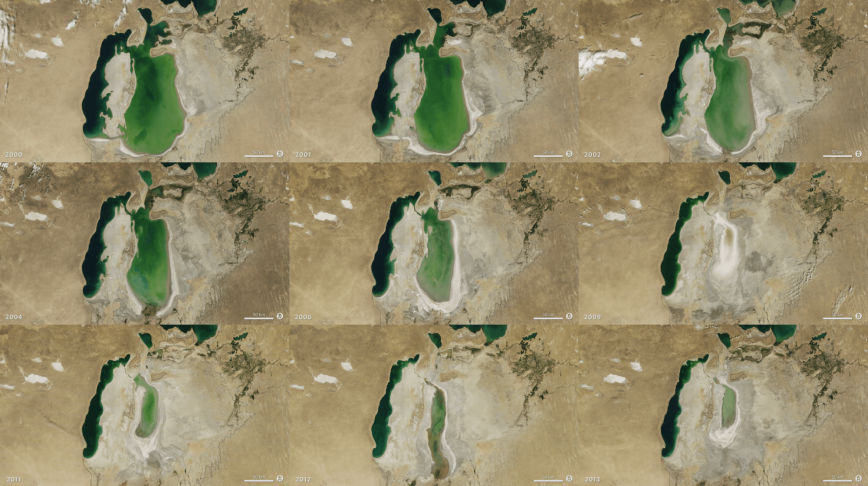
As a consequence of a big water diversion project to irrigate surrounding areas the Aral Sea is drying up.

The Anthropocene is the recently proposed epoch of Earth history that, proponents say, has begun with the rise of the human species as a globally potent biogeophysical force, …
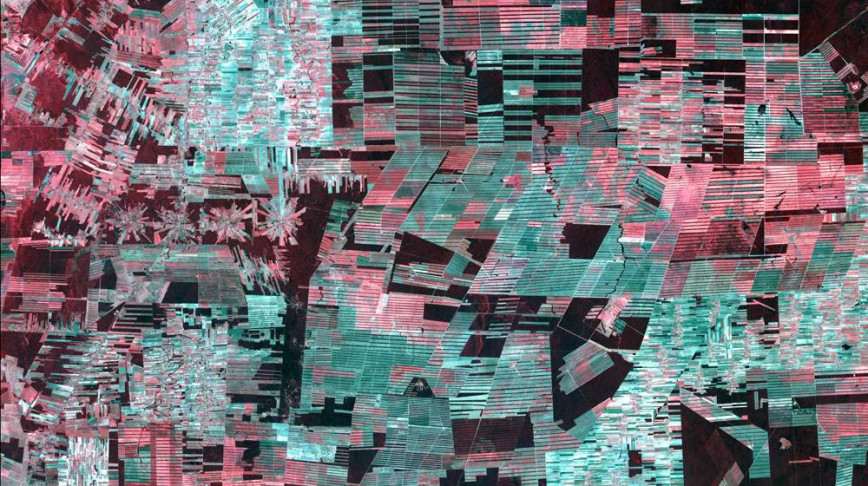
A false-color image of Amazon deforestation reveals surprisingly beautiful patterns.
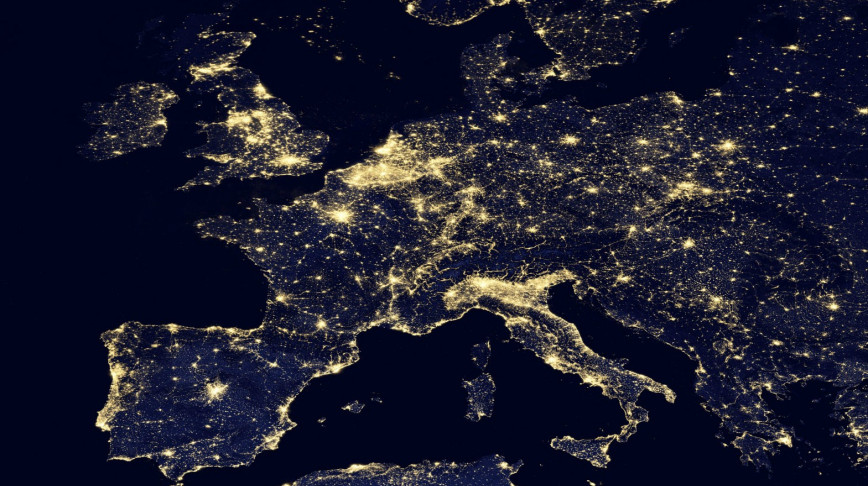
We have entered the Anthropocene epoch, in which humanity and its instrumentalities are the most potent and influential geological force.

Is human activity altering the planet on a scale comparable to major geological events of the past? Scientists are now considering whether to officially designate a new …
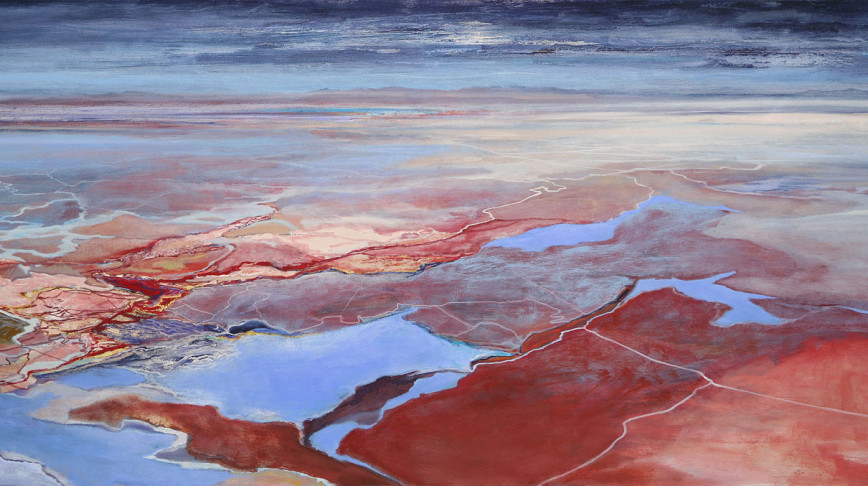
Govedare paints the human impact on natural environments, showing how nature has become a subset of culture.
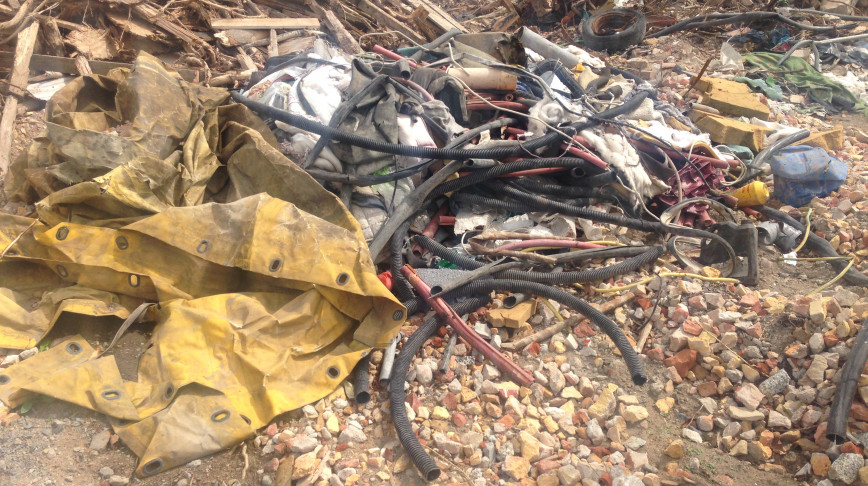
With cities covering growing area of land, we humans and our spaces build the new wilderness for animals and plants.
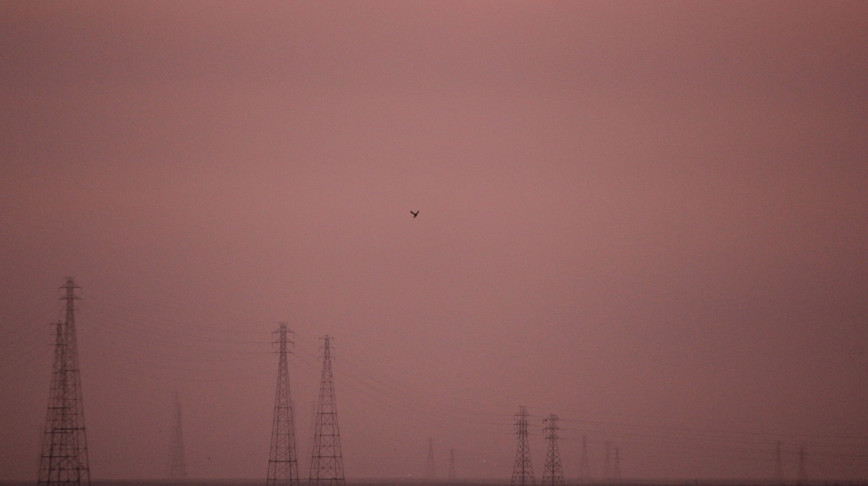
Due to human action, 1300 bird species are seriously in decline. Other birds have learned to live with humans and profit from their presence.
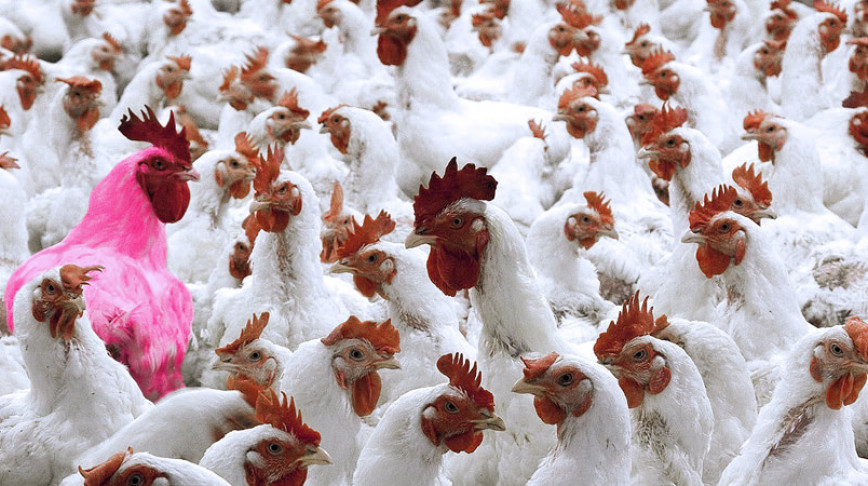
The Pink Chicken Project suggests modifying chickens’ DNA in order to send a message about our Earth health.
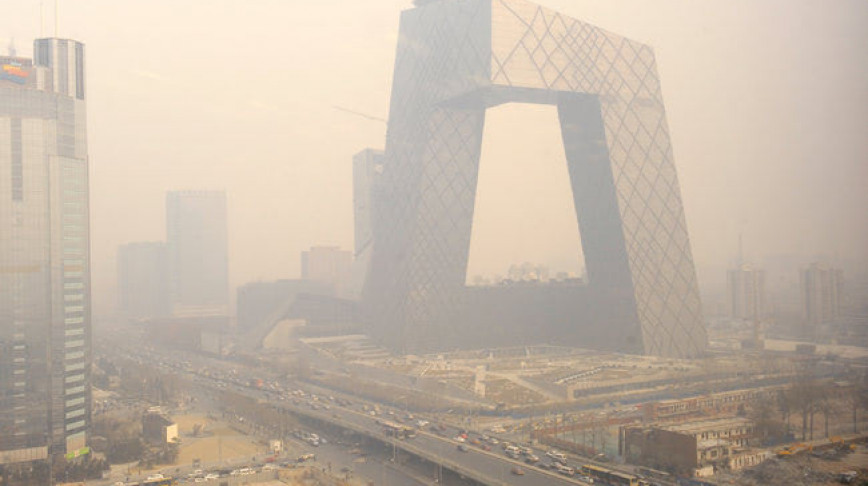
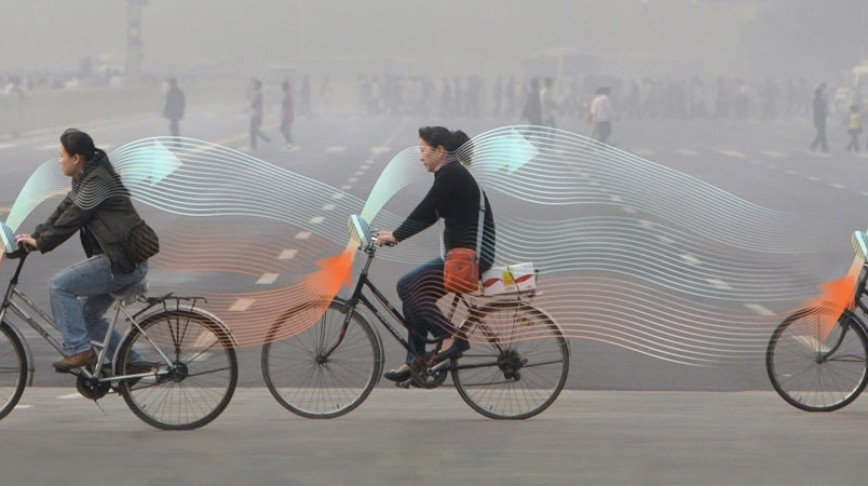
How people adapt to toxic food, air and water in Beijing.
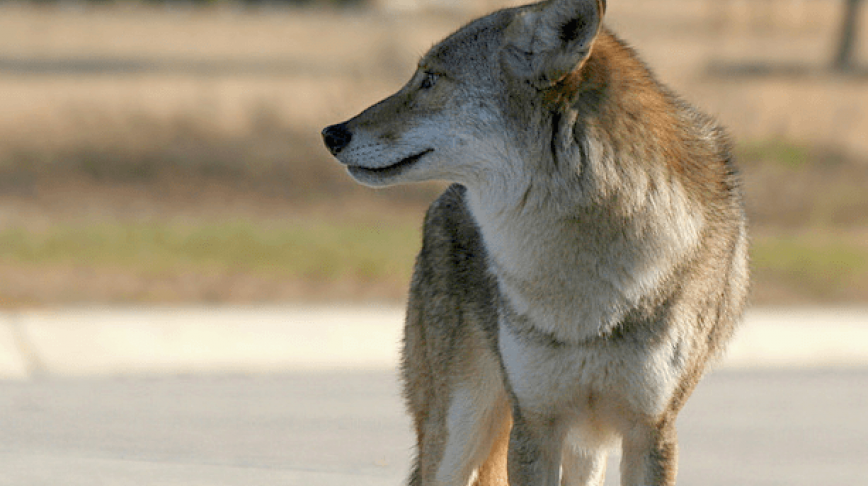
Invasive species become the animal symbols for a man-made world.
Watch human and urban life evolve in this 3-minute journey through the last 250 years of our history, starting at the beginning of the Industrial Revolution.
Christian Schwägerl , freelance journalist and biologist, author of the book The Anthropocene: The Human Era and How It Shapes Our Planet , introduces us into the Anthropocene , a …
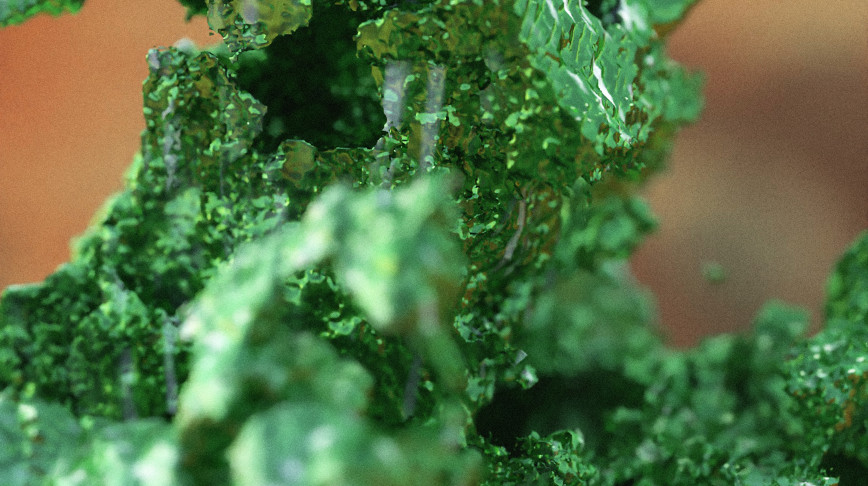
This story is part of Next Generation , a series in which we give young makers a platform to showcase their work. Your work here? Get in touch and plot your …
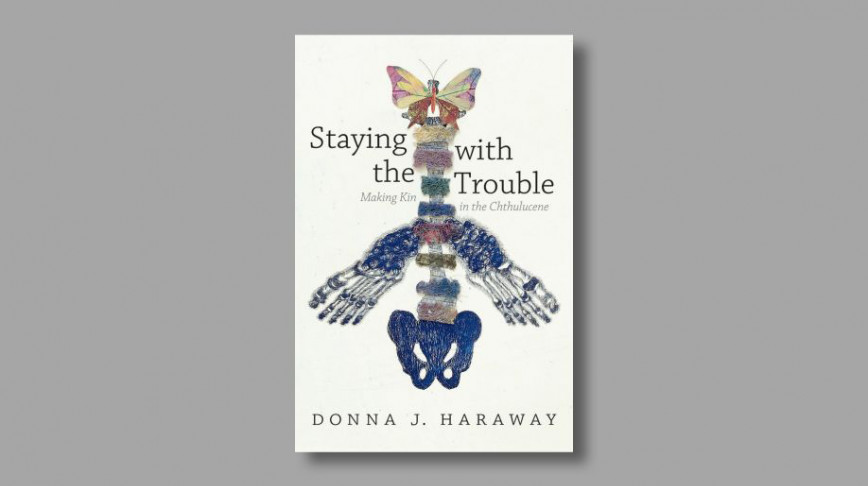
For multispecies feminist theorist Donna J. Haraway, “it matters what stories make worlds, what worlds make stories.” She studies the current age as the Chthulucene (chthon, …
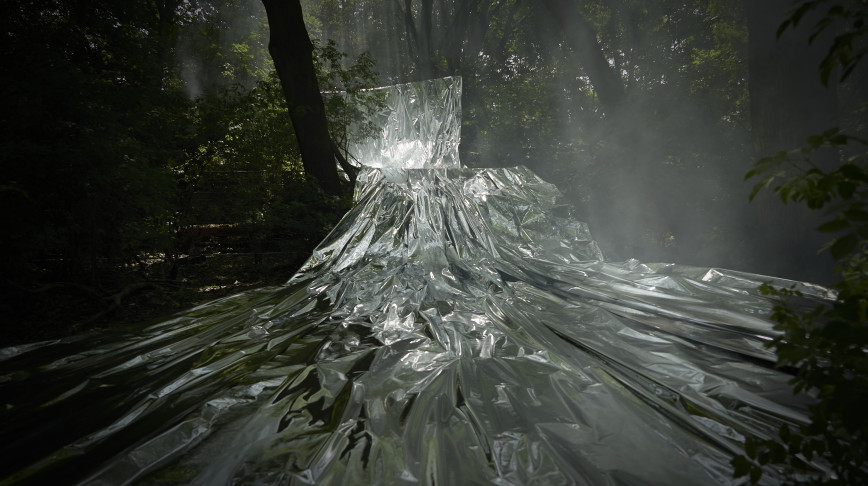
What if we would use the idea of symbiosis as the basis for the next period of Earth’s history?
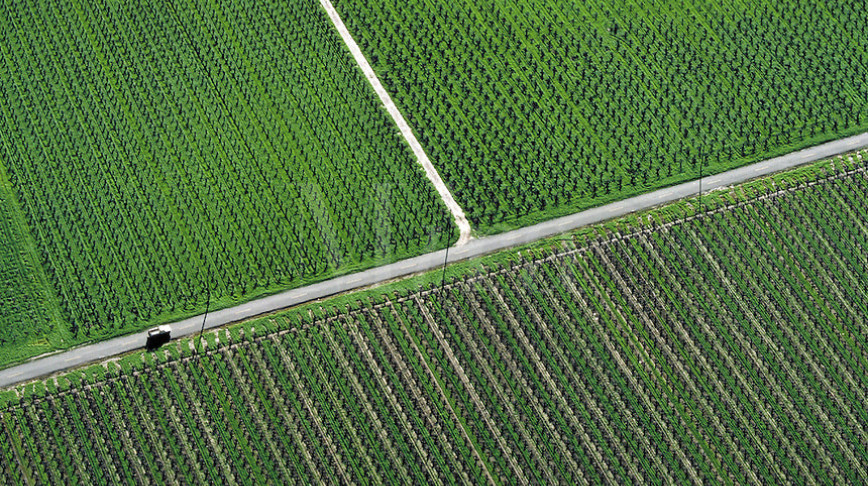
A stunning pre-history of the anthropocene
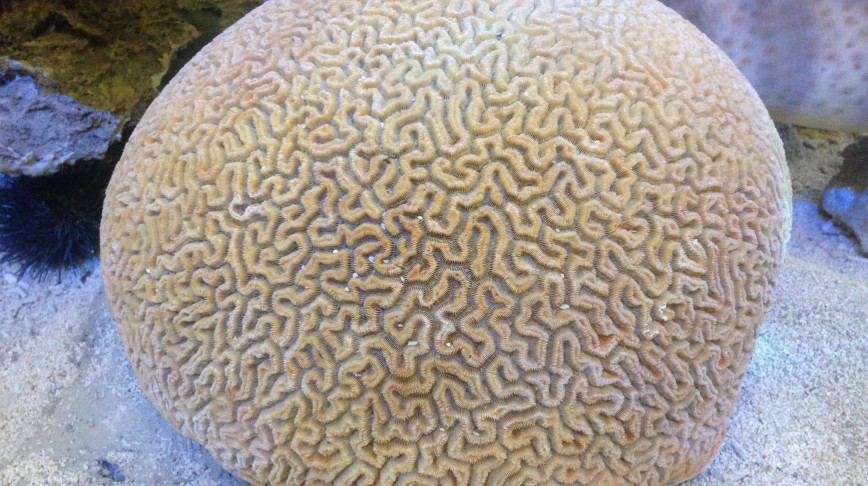
It's more than two years since I have started this exploration of the Anthropocene for Next Nature for you. We have visited many places together, places I have traveled to as a …
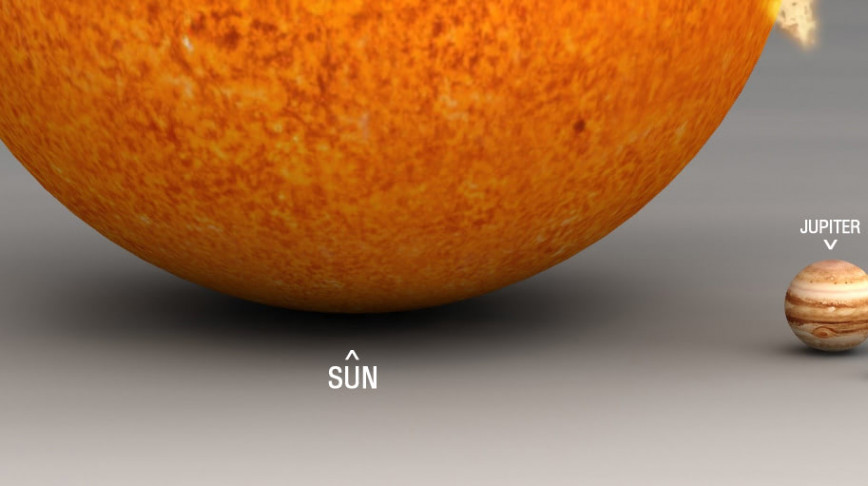
The realization that the volume of the Earth would fit over a million times in the volume of the Sun kind of makes you modest. No, we are not the Masters of the Universe.
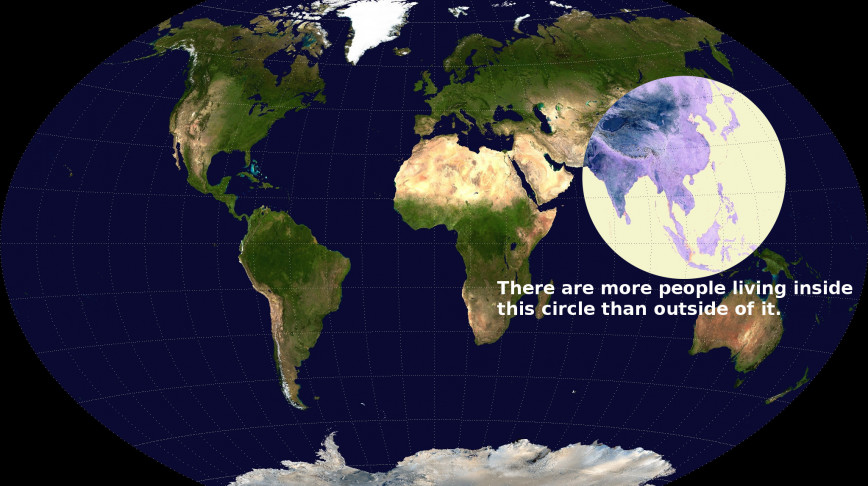
Map-enthusiast Valerie Pieris has created a fascinating visualization of human population centers. We all know that a huge fraction of humanity lives in Asia, but this map really …
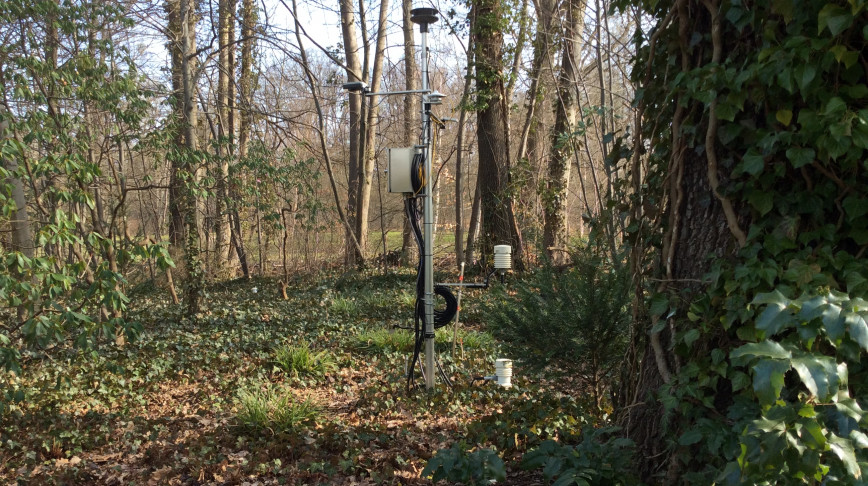
Technology helps us understand the unfolding of the Anthropocene.
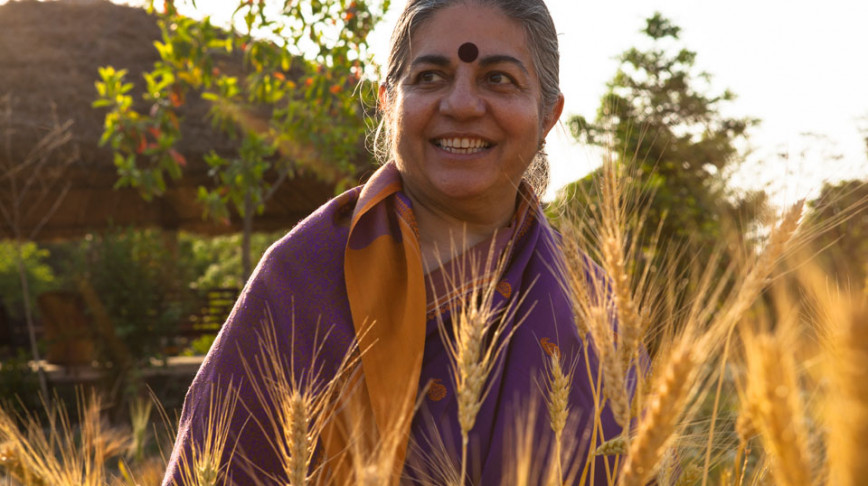
Do humans exist merely to make money and use resources? Vandana Shiva believes humans have a higher purpose.
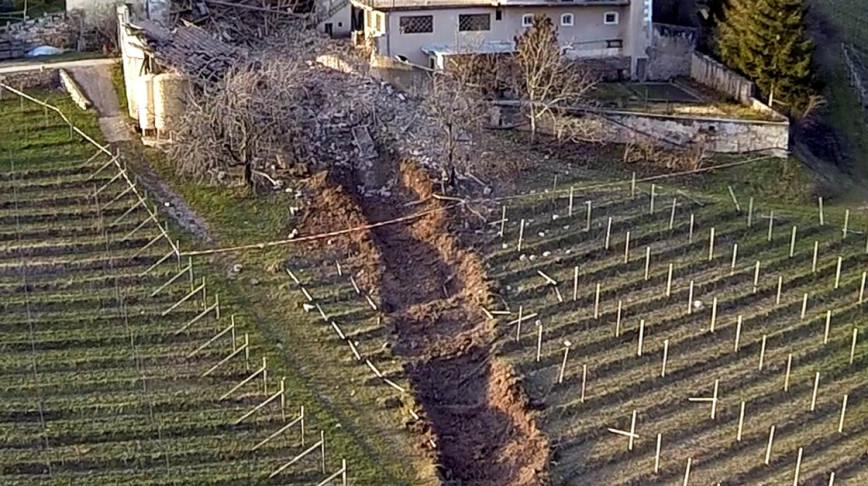
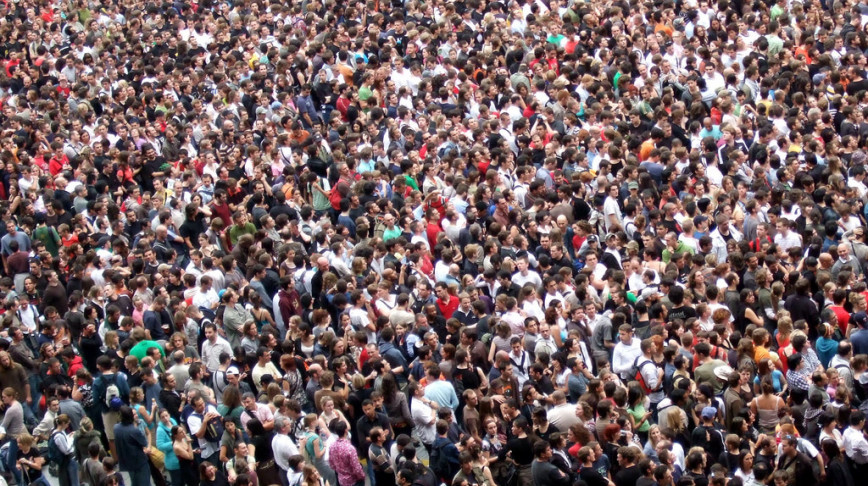
Welcome to earth, #7,000,000,000! Hope you like the #anthropocene. Learn more: http://bit.ly/se1SQc
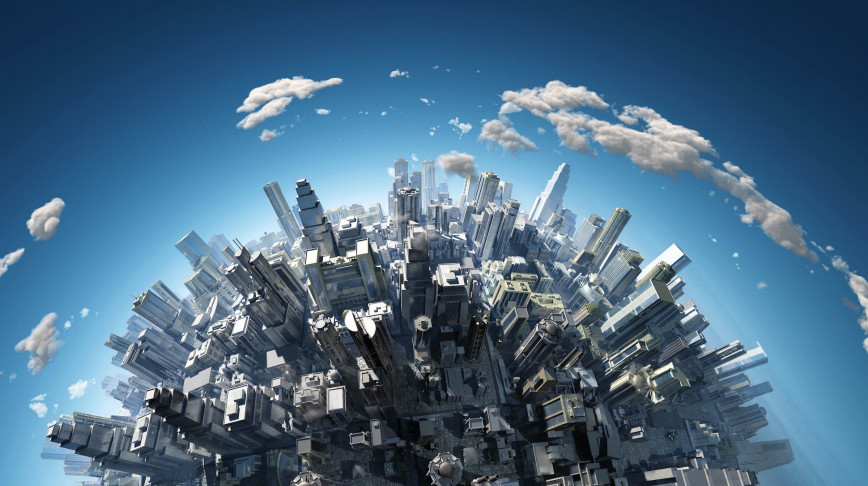
If humans would disappear from the face of the Earth today, we would still leave 30 trillion tons of mass in the geological record. Certainly, "we were here" is written all over.
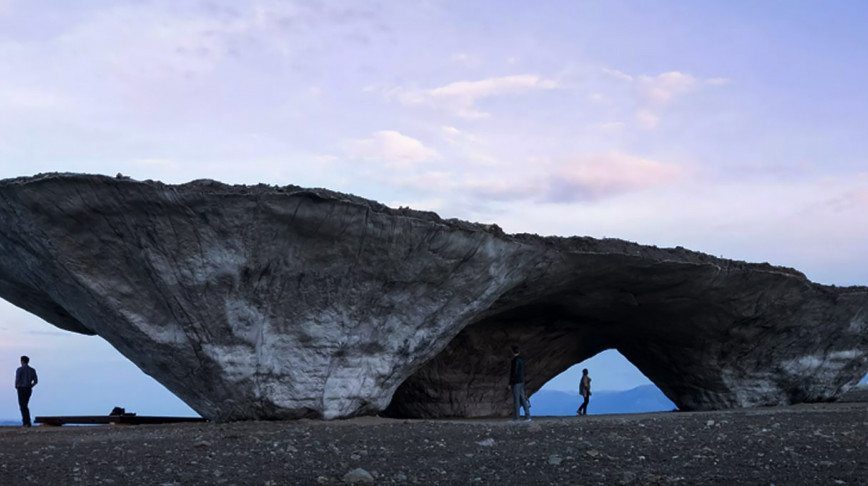
Nature has always been a source of inspiration for many artists and designers, yet the urgency to connect to nature is more pressing than ever. Environmental issues such as …
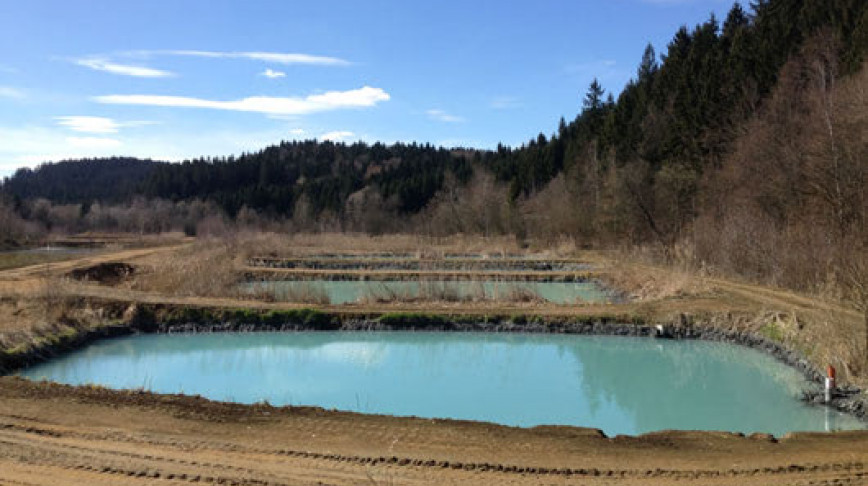
How geology and humanity turn ancient algae into high-tech gadgets.
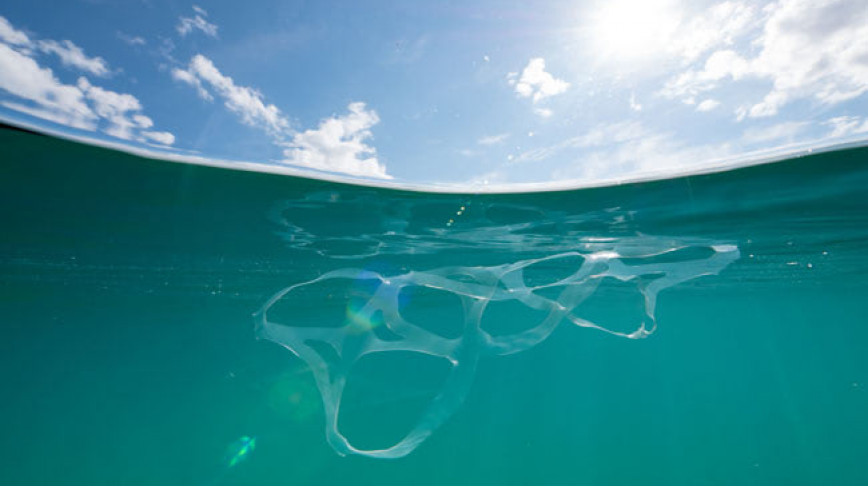
According to a new study, humankind is now entering the "Age of Plastic". The research investigates the evidence that we are living in the Anthropocene, a time in which humanity is the main geological force.
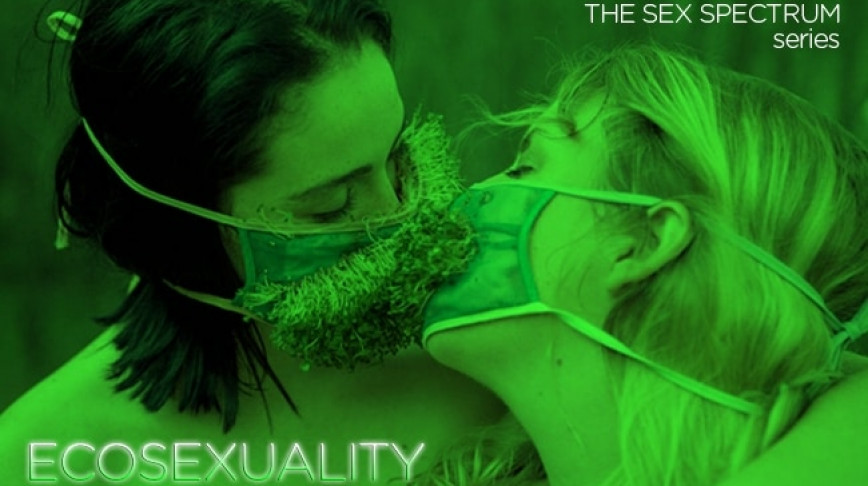
Ecosexuality reconceptualizes our perspective on the biosphere by having consensual experiences with it.
Nowadays the human impact on our planet can hardly be underestimated. Climate change, plastic islands, genetic manipulation – ‘We were here’ echoes all over. Yet, every now and …
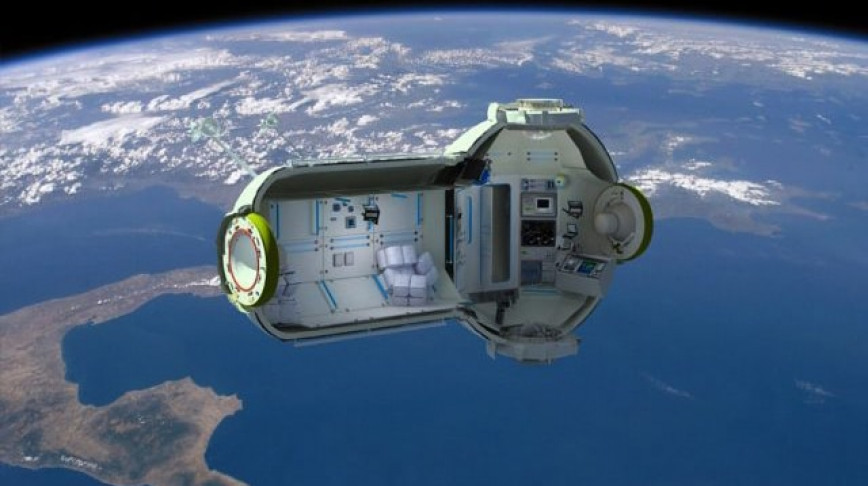
Back in the mid-twentieth century, before the first moon landing, people had all sorts of ideas about the golden age of space travel in front of them. Colonize the moon! Fly …
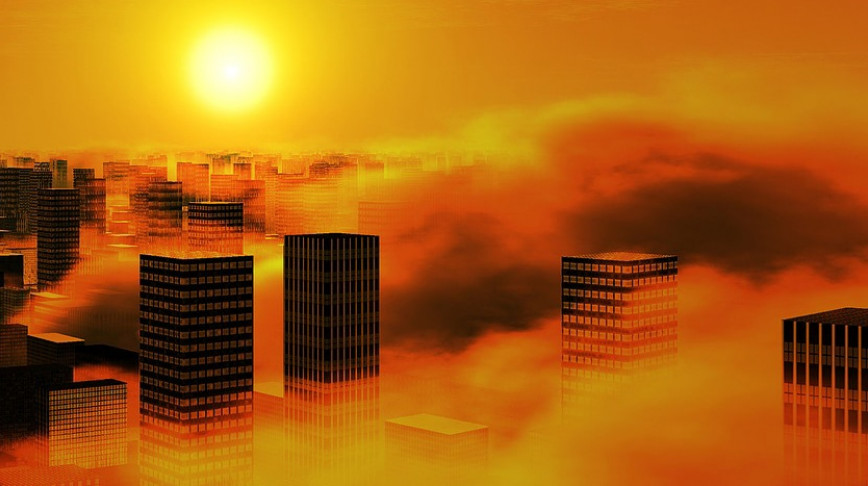
Not only is air pollution bad for our lungs and heart , it turns out it could actually be making us less intelligent, too. A recent study found that in elderly people living in …
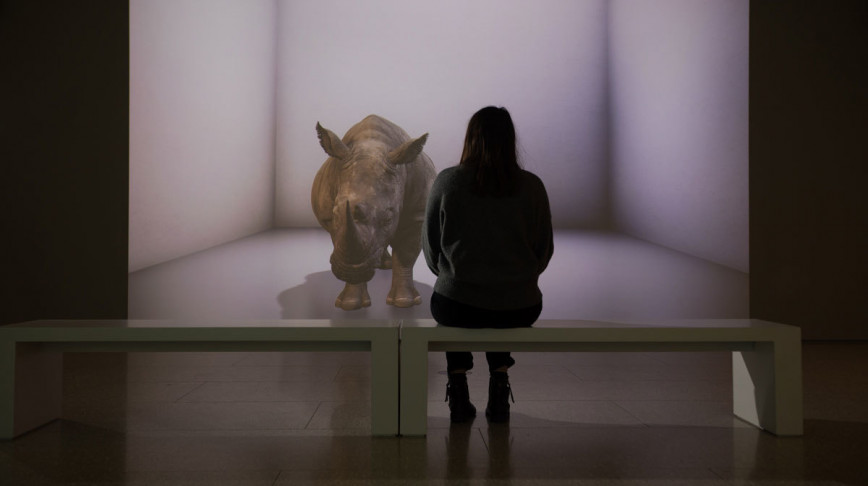
Meet the 'Eco-Visionaries' , these are the architects, artists and designers who respond to some of the most urgent ecological issues of our times. This exhibition reveals how …
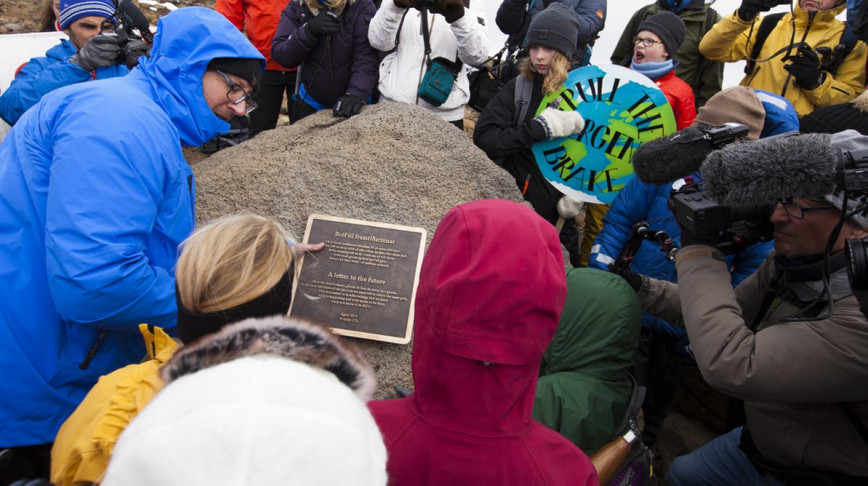
Death certificates and commemorative plaques aren’t something you’d normally associate with a glacier. But that is exactly how Iceland recently mourned the loss of 700-year-old …
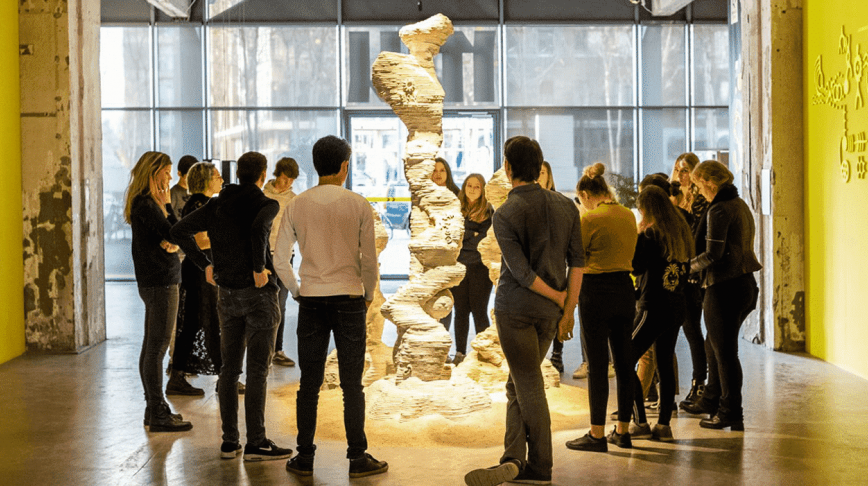
In configuring our next nature, artists and scientists explore new languages that move beyond the Anthropocene - the era of human beings. These semantics would bridge the gap …
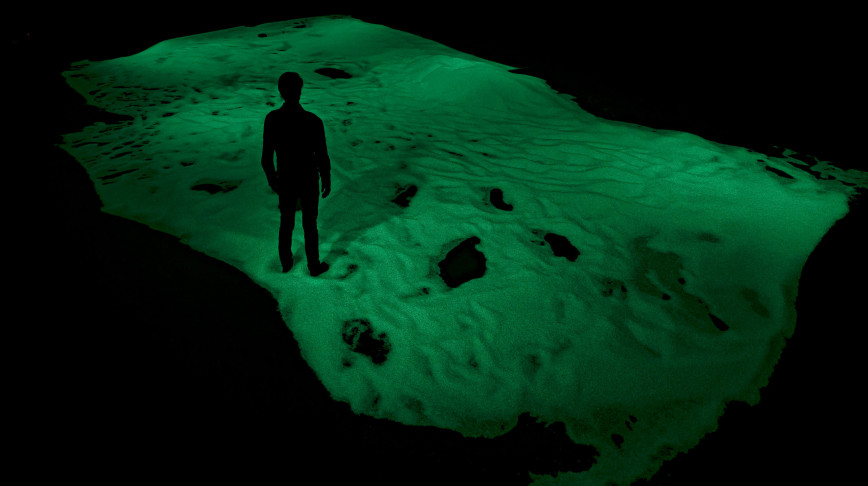
As we go about our daily activities, we may lose sight of our connections with nonhuman life. Here are three exhibitions to encourage you to step outside of your everyday and …
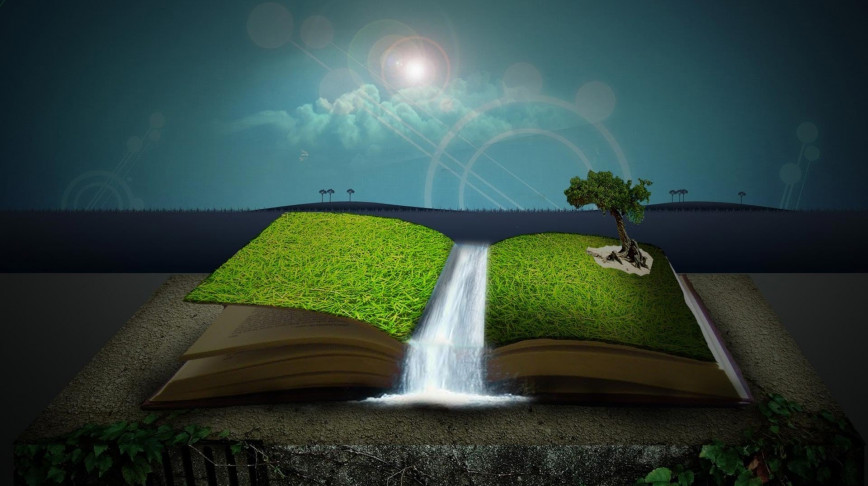
Every day brings fresh and ever more alarming news about the state of the global environment. To speak of mere “climate change” is inadequate now, for we are in a “ climate …
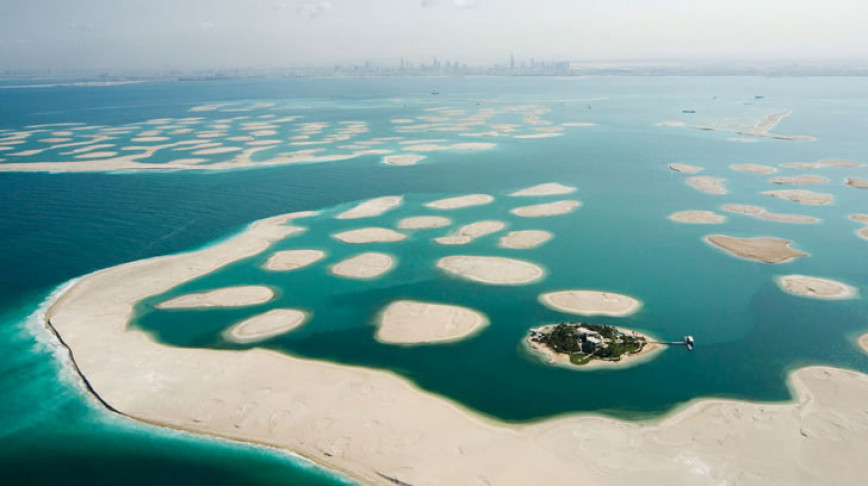
Christian Schwägerl is a correspondent for Der Spiegel and the author of Menschenzeit (The Age of Man). He will be presenting his views on the Anthropocene at the Next Nature …
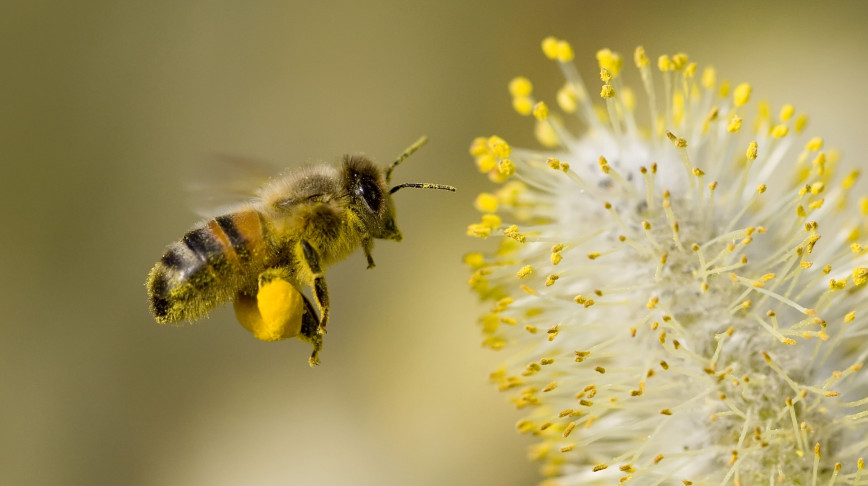
A recent study demonstrated how artificial light is a serious threat to plant pollination. It puts plant reproduction in danger, as well as the whole ecosystem.
Earth has had a geosphere, atmosphere and biosphere for a few billion years. Only within the last several thousand years has earth gained a global noosphere, the intangible …
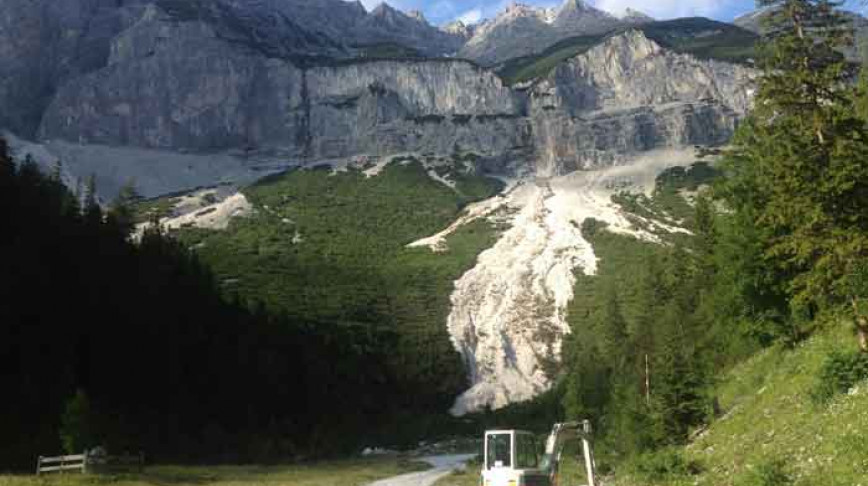
Humans act as bio-excavators that literally move mountains.
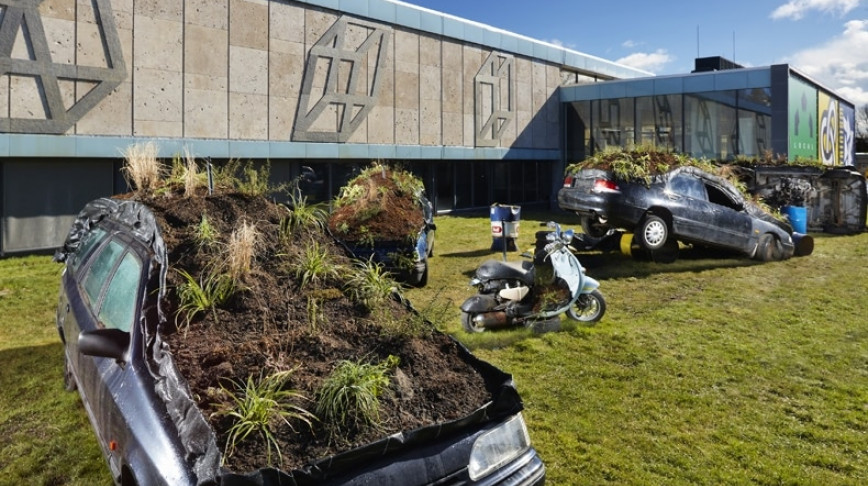
The introductory essay from the Yes, Naturally book - available in our store!
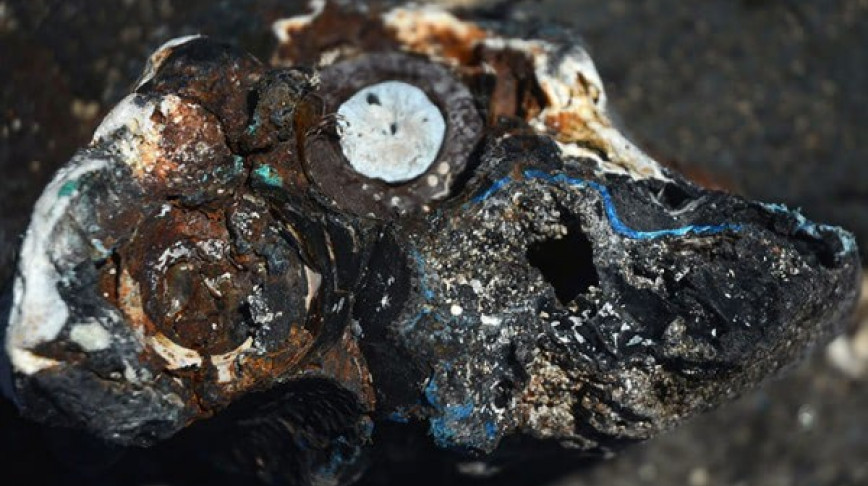
Plastic can fuse with rocks to form a new material: plastiglomerate.
Koert van Mensvoort will take part in the Nature 3.x: Where is Nature Now? symposium at the University of Minnesota.
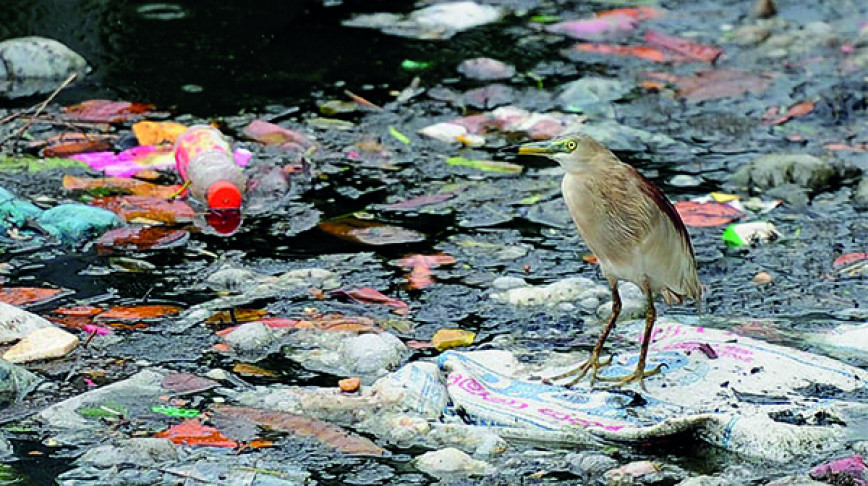
Seabirds eat floating plastic debris because it smells like food, study finds.
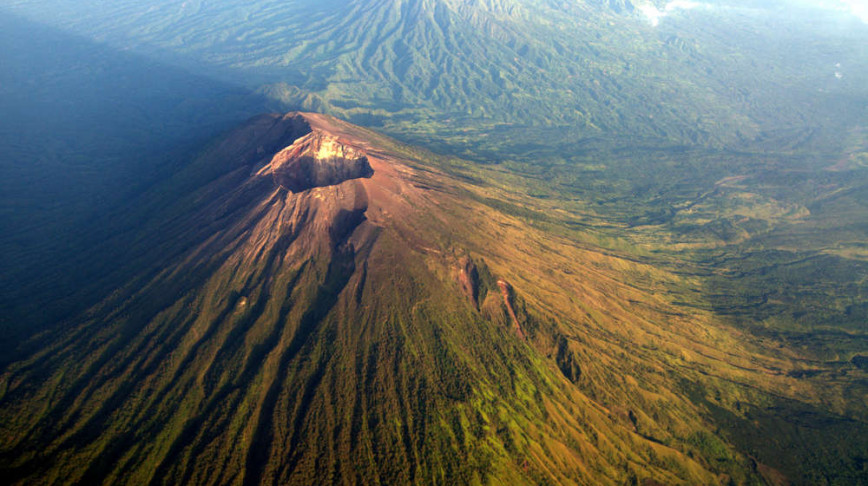
In Bali, volcanic danger looms large. Scientists are trying to use drones to forestall the danger and make the invisible workings of the volcano visible.
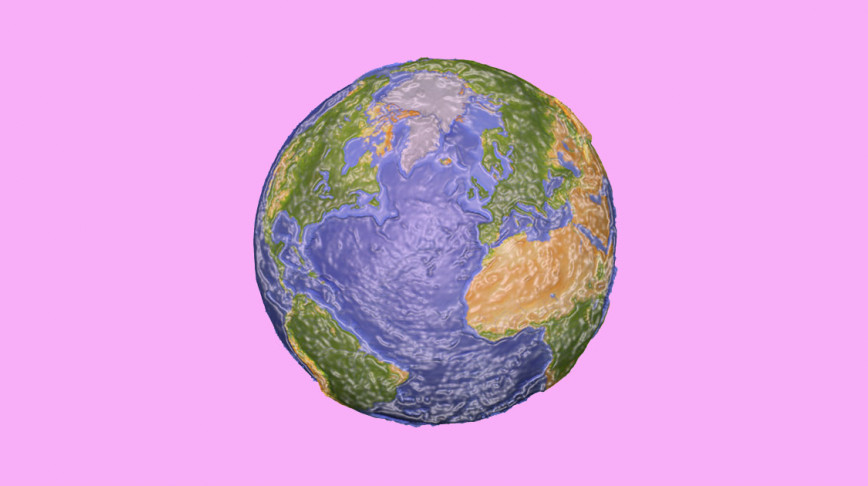
We tend to think of plastic as a cheap, inferior and ugly material used to make children’s toys, garden furniture and throwaway bottles. But as an experiment, imagine for a moment …
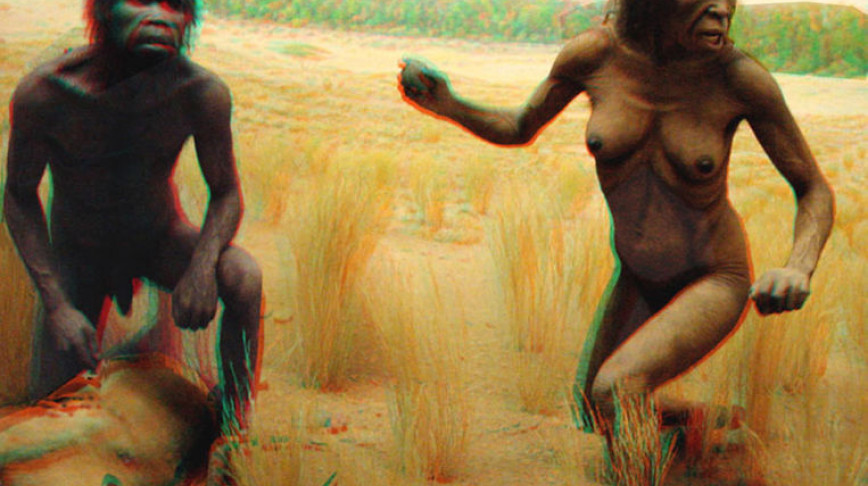
Humans and other hominids have a reputation for bringing about mass extinctions. Homo erectus has been blamed for the disappearance of many African carnivores, our ancestors …
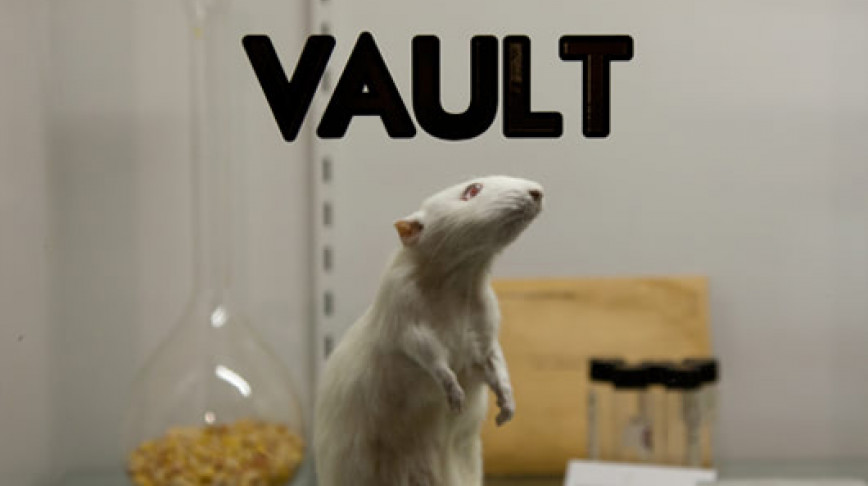
The wunderkammer – the traditional repository of natural history curiosities and cultural relics – has been updated by the Center for PostNatural History in Pittsburgh, which …
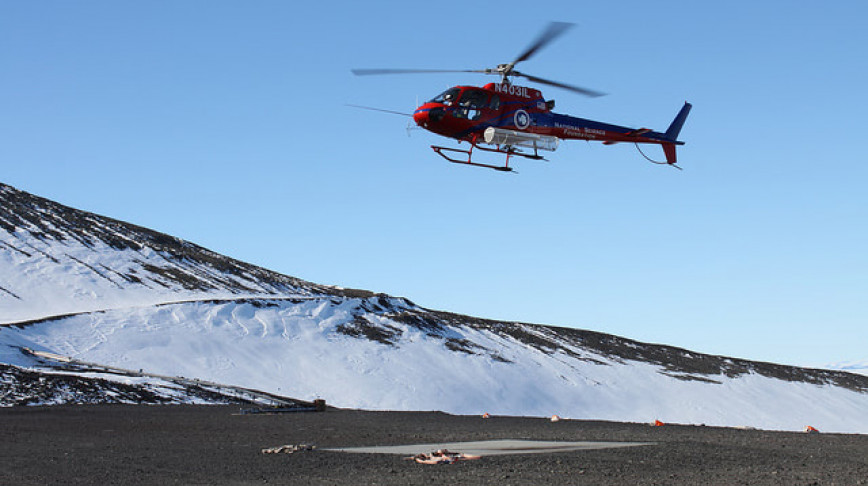
Silence is a thing of the past. Just as no place has been left untouched by climate change, there is no place on earth that is not 'polluted' by the sounds of planes, ships, and …
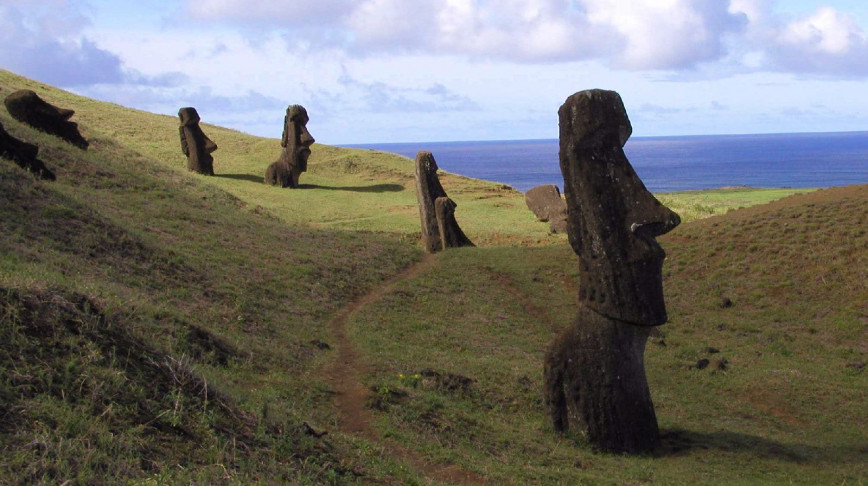
A new theory claims it wasn't human deforestation that caused the ecological collapse of Easter Island, but something smaller and squeakier.
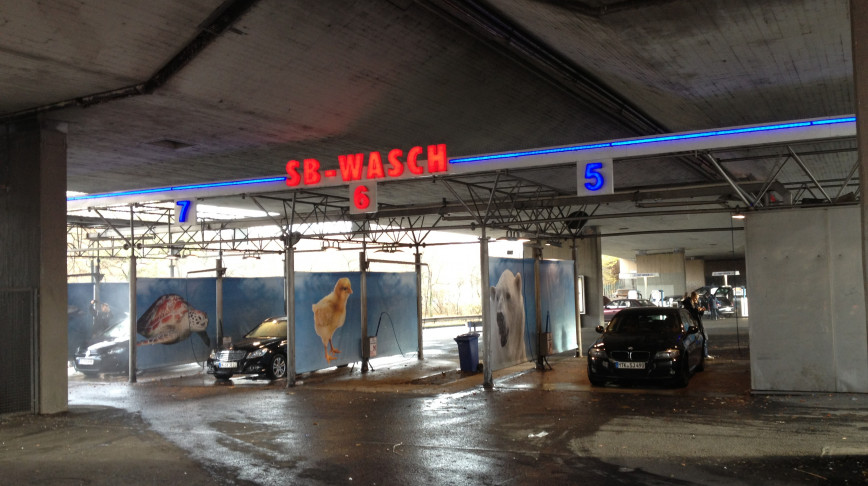
What one ugly overpass in Berlin reveals about our attitudes towards nature.
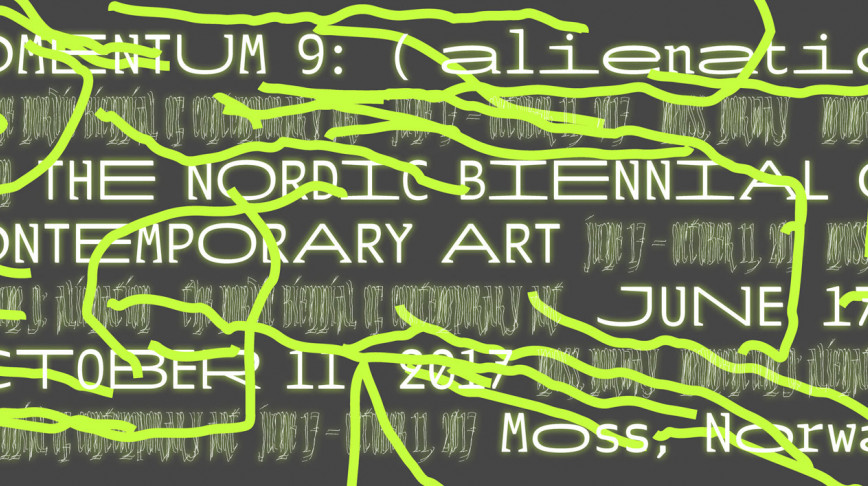
We recently spoke to Ilari Laamanen, to peel the outcrops of Momemtum9, and unveil the overlapping themes to the next nature philosophy.
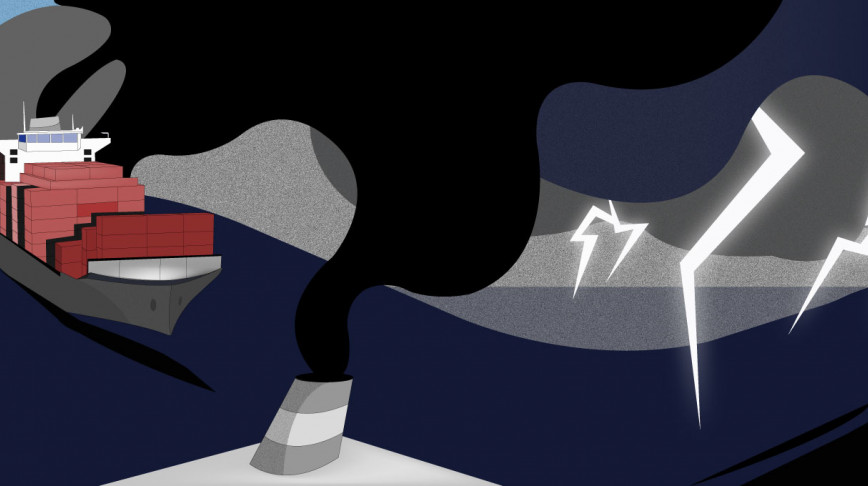
They say lightning never strikes twice, but it appears to be striking a lot more often in some areas of ocean than others. New research published in Geophysical Research Letters …
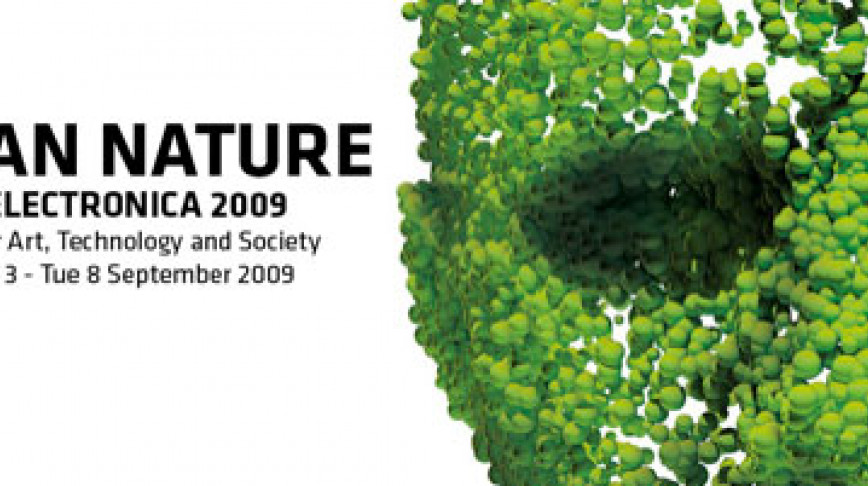
This years edition of the Ars Electronica festival , which has been hangout for international experts from the arts and sciences for almost three decades, focuses on the nature …
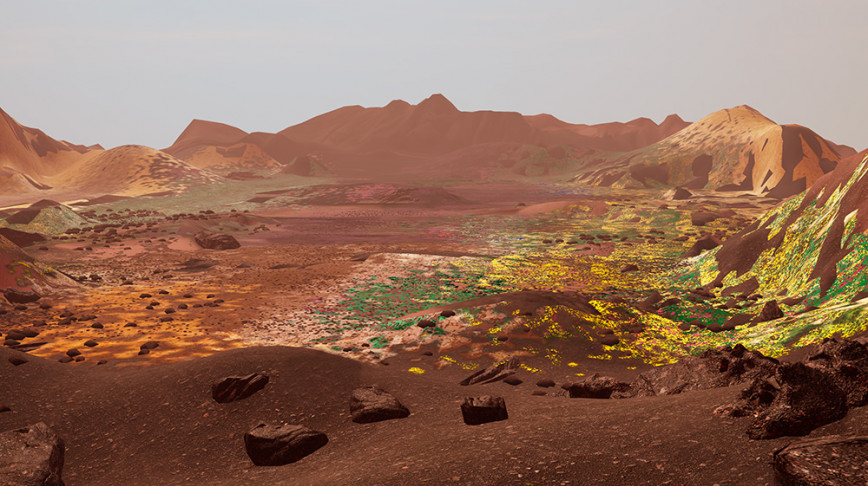
The idea of colonizing Mars has become the big speculative future of humanity on Earth. But, artist Alexandra Daisy Ginsberg has radically different ideas to contribute to the …
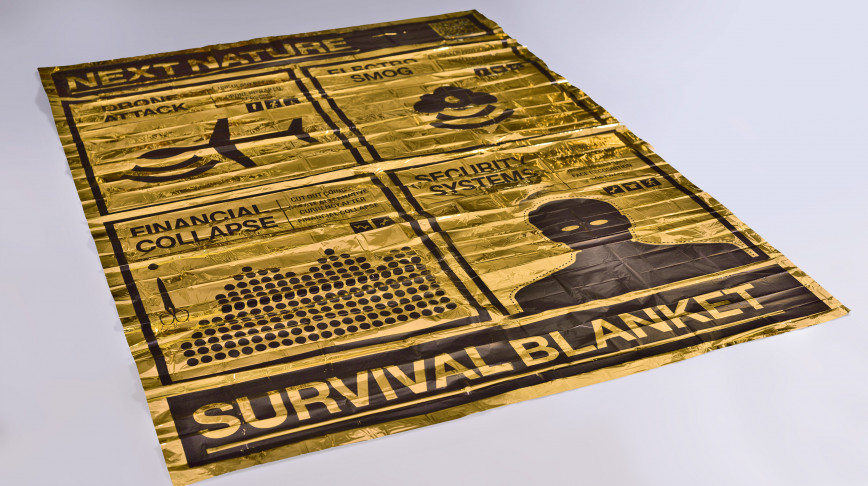
The Survival Blanket protects against the forces of next nature: drone attacks, electrosmog, internet fail, etc.

Speculative designer Agi Haines' work focuses on (re)designing the human body, and speculates upon future scenarios.
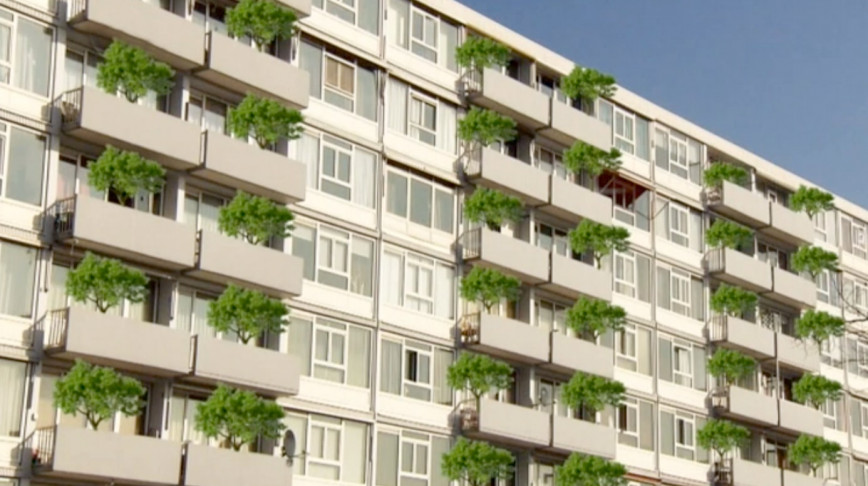
Urban neighborhoods with high-rise concrete buildings are often dreary and gray. Therefore, the Urban Street Forest project aims to color our cities with the planting of vertical …
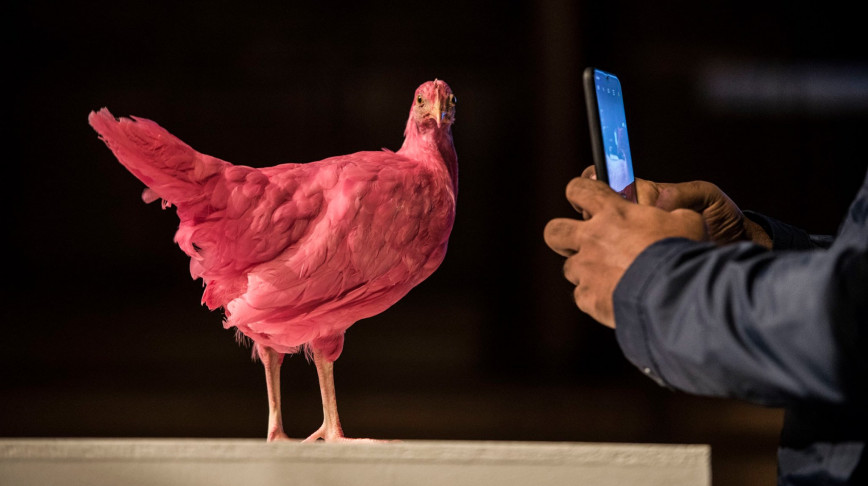
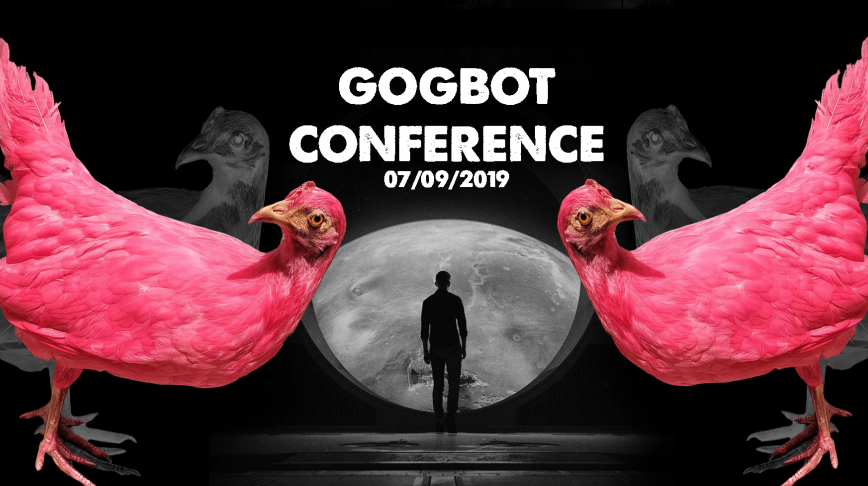
Pink chickens, synthesized tiger penises and salads grown from bodily fluids - how could they shape our future? In a Next Nature collaboration with the Gogbot Festival, the …

Surrounded by greyness and with the air around you having a dusty, burnt taste; for a long time this is what it has been like to live in many of the world’s highly polluted …
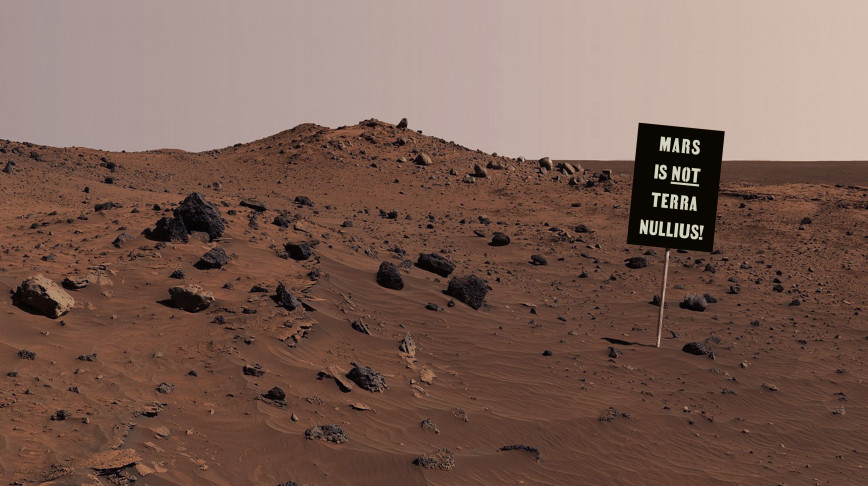
Nonhuman Nonsense is a research-driven design and art studio existing somewhere between utopia and dystopia. They wonder upon our relationship with the non-human, embracing …
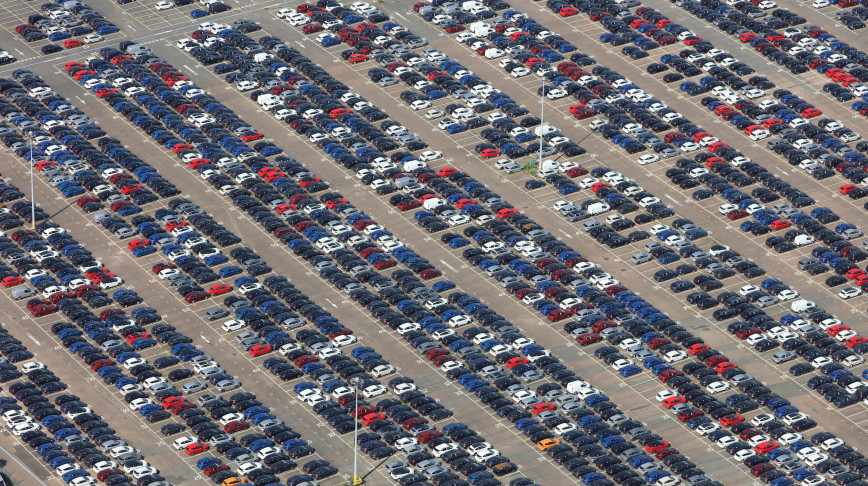
Our deficiencies have always driven us, even among our distant ancestors, back in the last Ice Age. Having neither the speed and strength to hunt large prey, nor sharp teeth and …
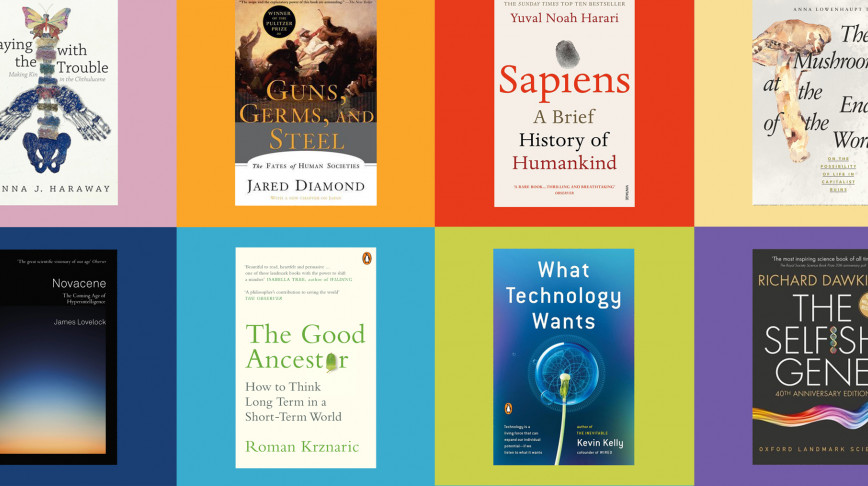
Ten books that continue to inspire the next nature philosophy—gathered for you to read this summer.
Lots of clouds this week. The peculiar picture above shows the eruption of mount Pinatubo in 1991, which apparently resulted in a certain amount of global cooling (next to some …
Between the launch of Sputnik on 4 October 1957 and 1 January 2008, approximately 4600 launches have placed some 6000 satellites into orbit, of which about 400 are travelling …
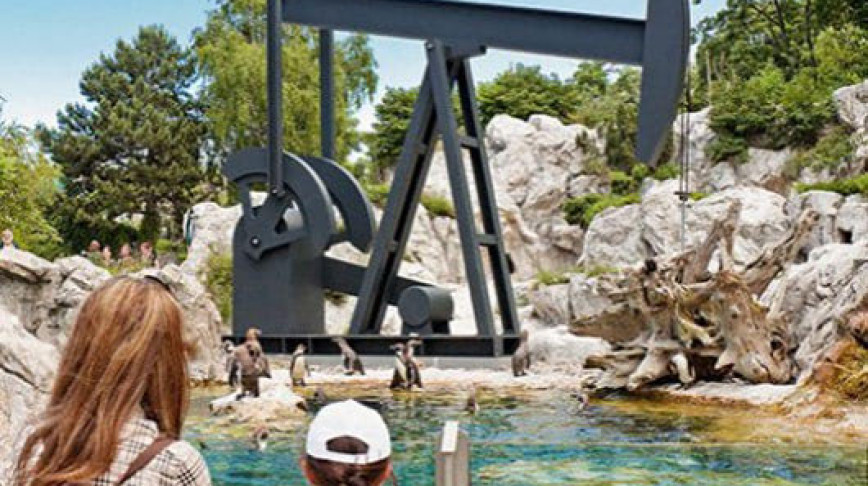
Going to the zoo is a favorite summer past-time. Visitors to the Schönbrunn Zoo in Vienna will see lots of animals in recreated ‘natural’ habitats. Except this summer, along with …
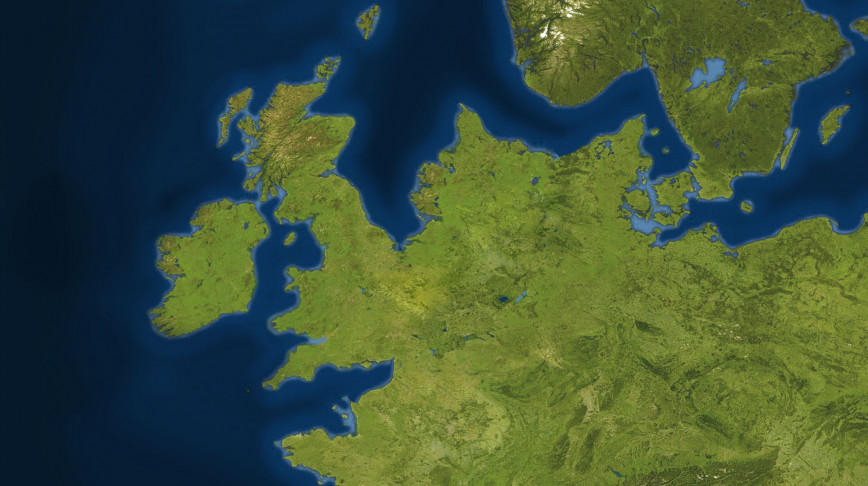
So you think climate change is new? So you think the flooding of landmass by the oceans is a new? So you must have not heard of the times when people walked from London to …
Is it a cynical gesture to glue a 'Stop Continental Drift' bumper sticker on your gasoline addicted car? Absolutely. Yet indirectly it also criticizes the romantic …
This project - the Next Nature Network - is about Nature's brand image. One might surmise that "Nature," being 100 percent all-natural, can't have any brand image. The facts …
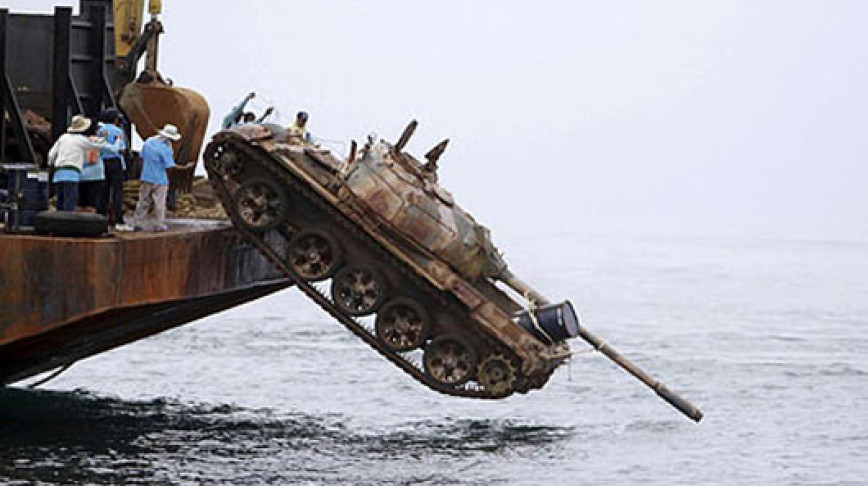
Our peculiar image of the week learns us that what is good for the environment doesn't always look good for the environment. The adieu of this disused tank into the Gulf of …
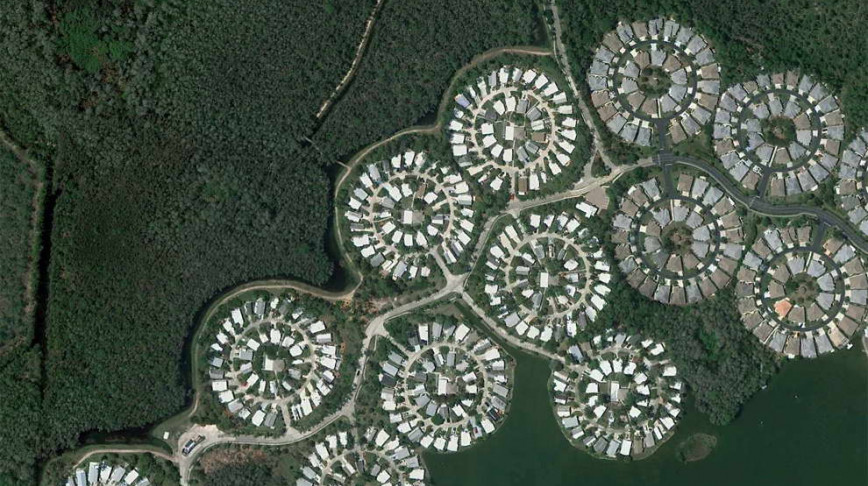
Beautiful Google Maps shots of housing projects in southwest Florida. Probably designed to look and feel more natural than your average straight street neighborhood, they remind …
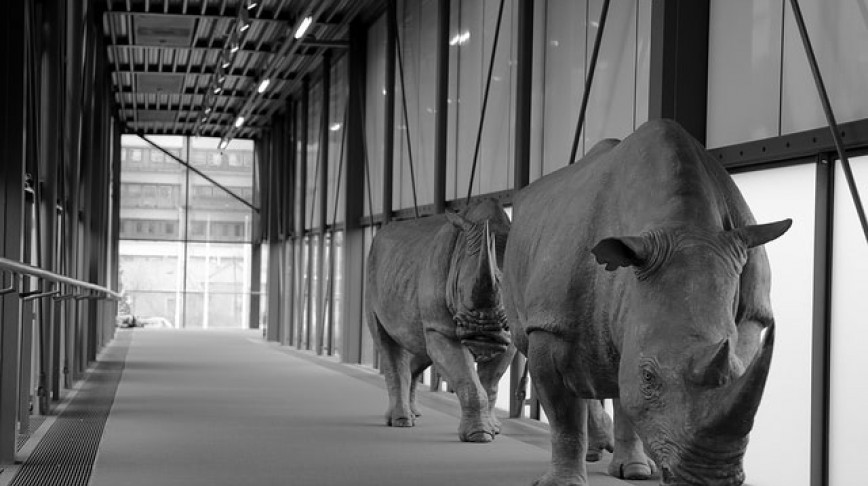
The Ipswich Museum, the Tring Museum, and around 30 other European cultural institutions and antiques dealers have experienced a rash of theft over the last few months. What turns …
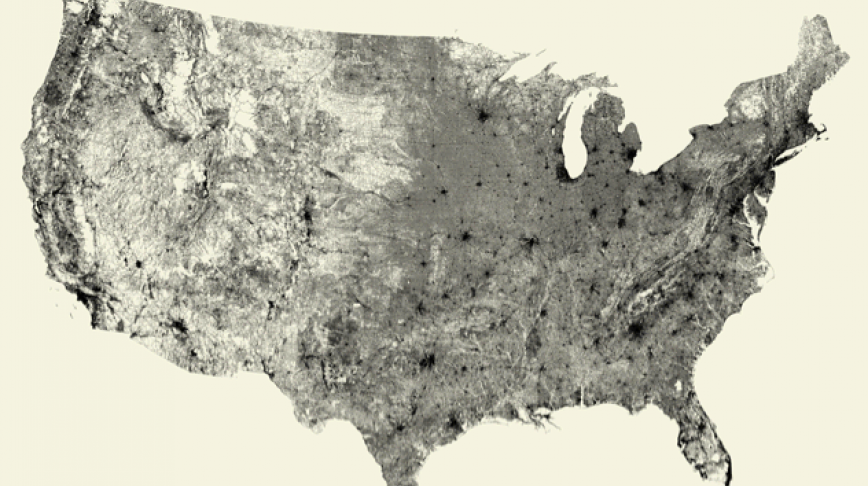
The All Streets map visualizes of all the 240 million individual road segments in the United States. Although no other features — outlines, cities, or types of terrain — are …
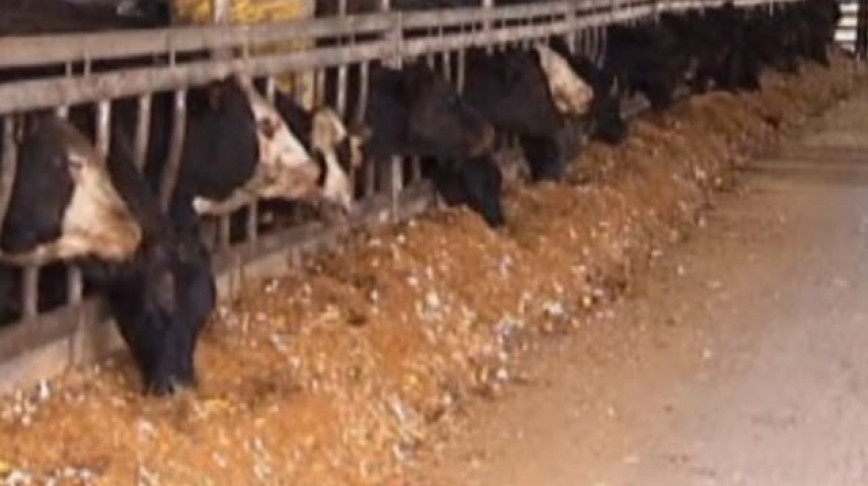
Farmers have long made frugal use of their table scraps, feeding their leftovers to hogs, dogs and now, cows. In a bizarre sign of our cash-strapped and climate-changing …
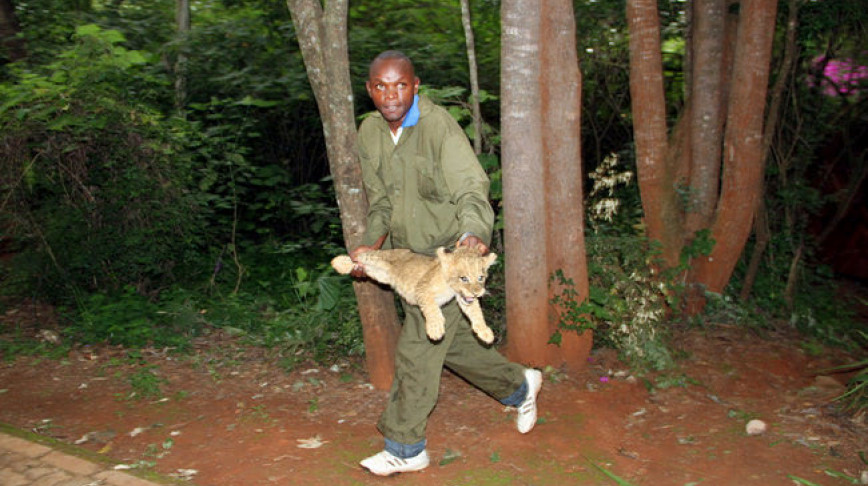
As cities push to the edges of the wilderness, wild animals are increasingly com
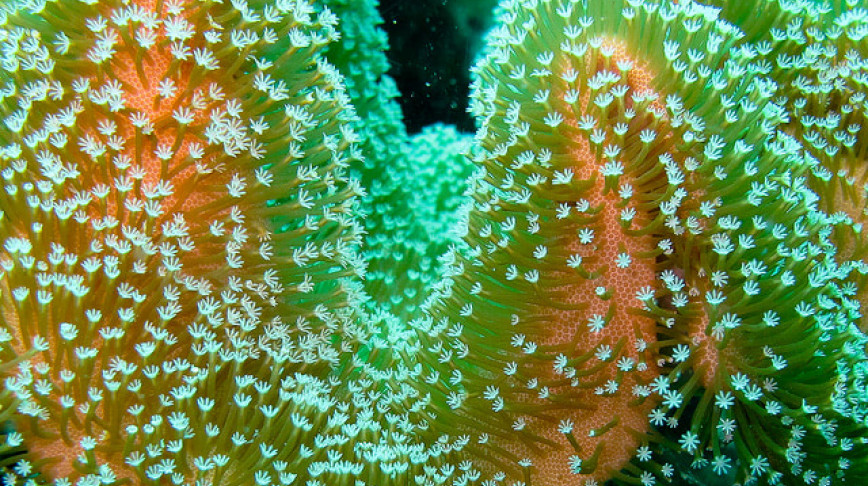
Life is bleak and bleached for many of the world's corals. Fatal bleaching events triggered by warming seas have become common from the Caribbean to Australia. More worrying still …
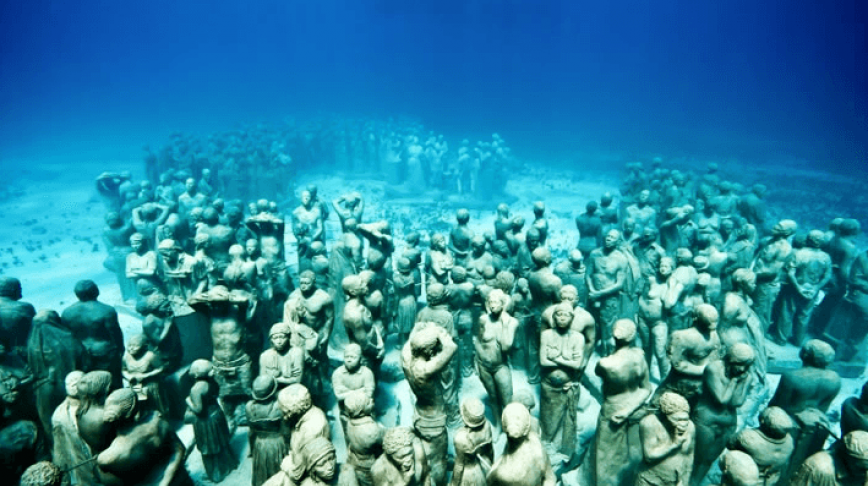
Last week I had the pleasure of being the studio guest at the Earth Beat radio show. I was treated with examples of 'artificial nature' and asked to respond from a Next Nature …
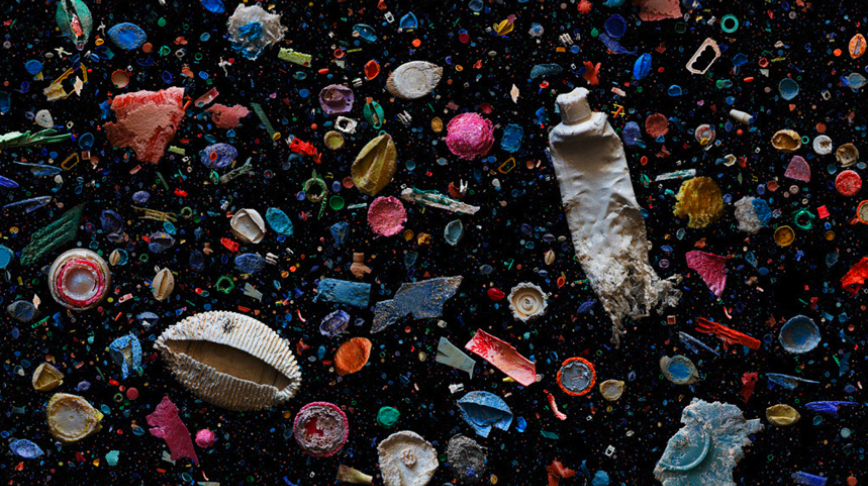
While the Pacific garbage patch is often characterized as a dense, Texas-sized island of plastic, in reality it's an area of 2,736 square km scattered with tiny, floating bits of …
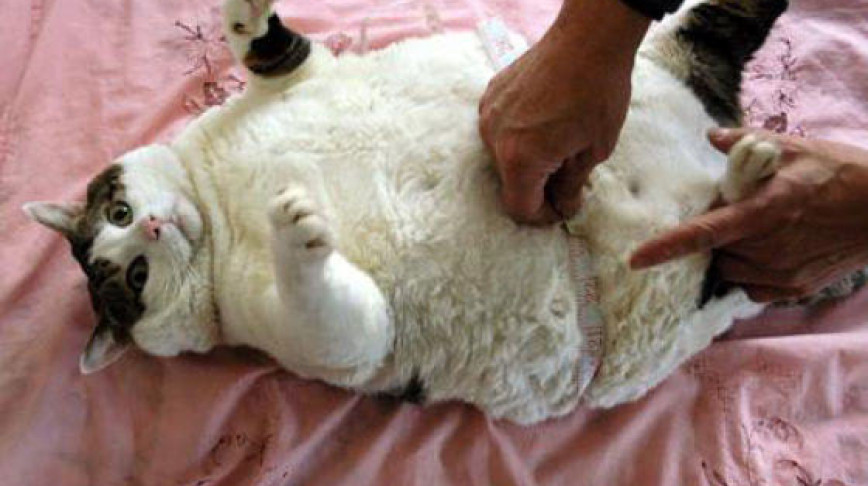
It's nothing new that humanity is getting chubbier by the day. What's surprising is that we're bringing our animals along for the ride. A meta-analysis of animal weight has …
Of course our faithful readers already long know that Nature is better understood as a dynamic force that changes along with us.
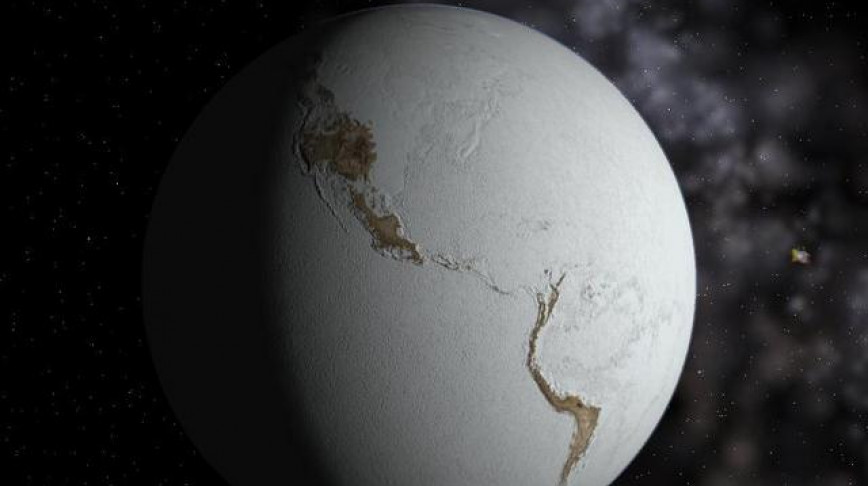
At Next Nature, we often argue that "our image of nature as static, balanced and harmonious is naive and up for reconsideration ." Paleontologist Peter J. Ward happens to agree. …
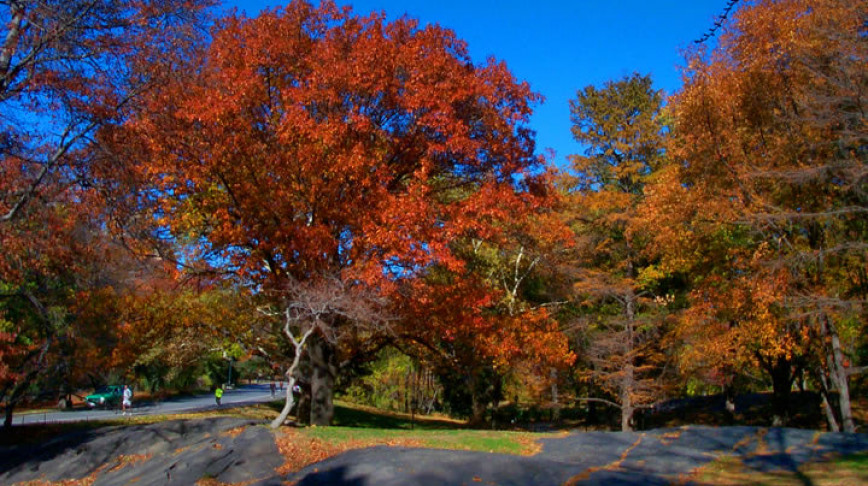
The high temperatures of urban environments causes trees to grow faster in the city than in rural areas. Researchers at Columbia's Earth Institute have discovered this by planting …
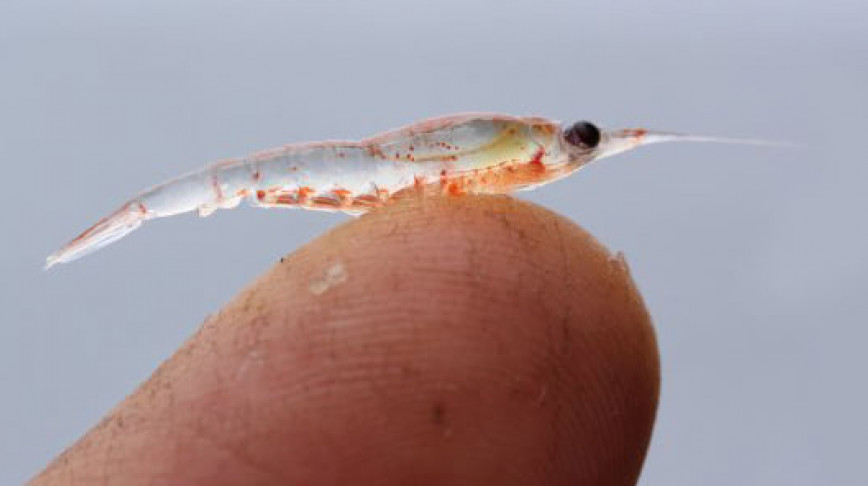
Krill, those tiny members of the ocean's planktonic community, have an importance disproportionate to their size. They are a vital food for whales, penguins and increasingly, …
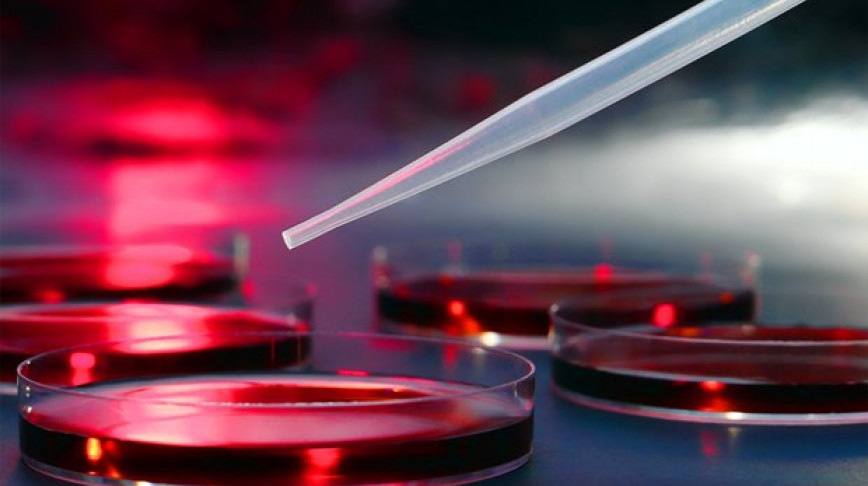
Climate change is one of the biggest challenges of today and various scenarios, ranging from artificial trees , pollution trading , co2 capturing to geo-engineering, have been …
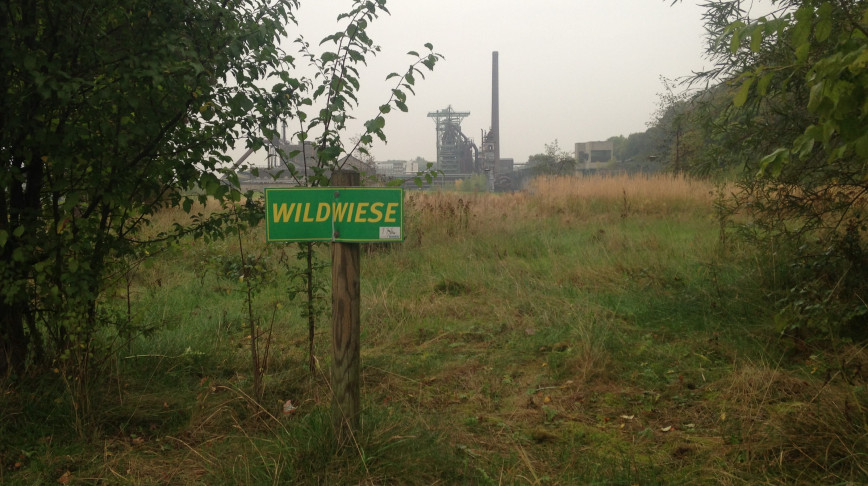
Old ironworks in Germany have become more natural than "real" nature.
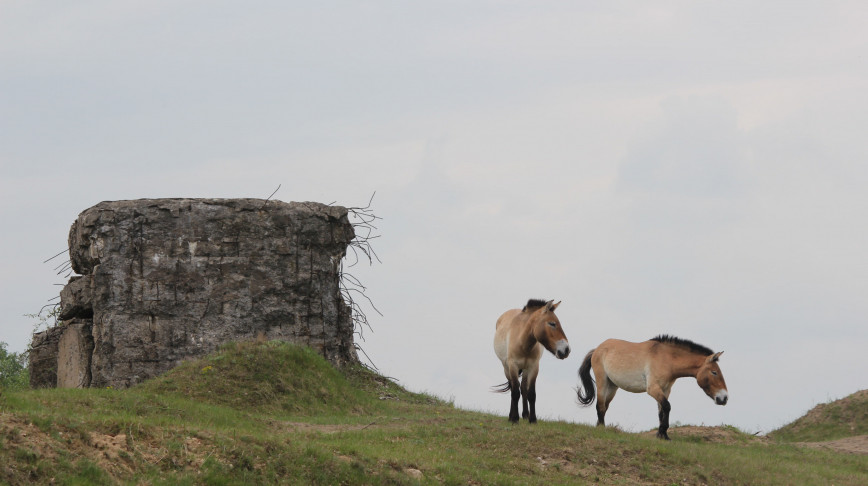
Military action accidentally restores a lost ecosystem.
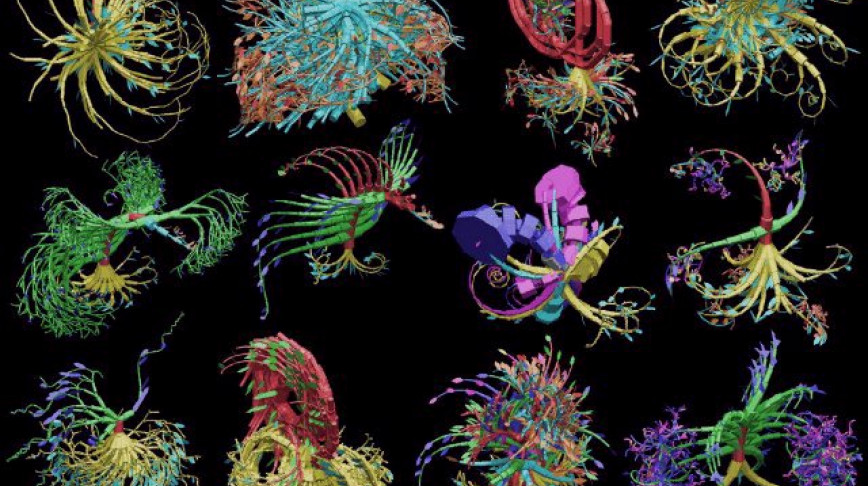
An interview about the history and promises of synthetic biology, and the problem with the word "nature".
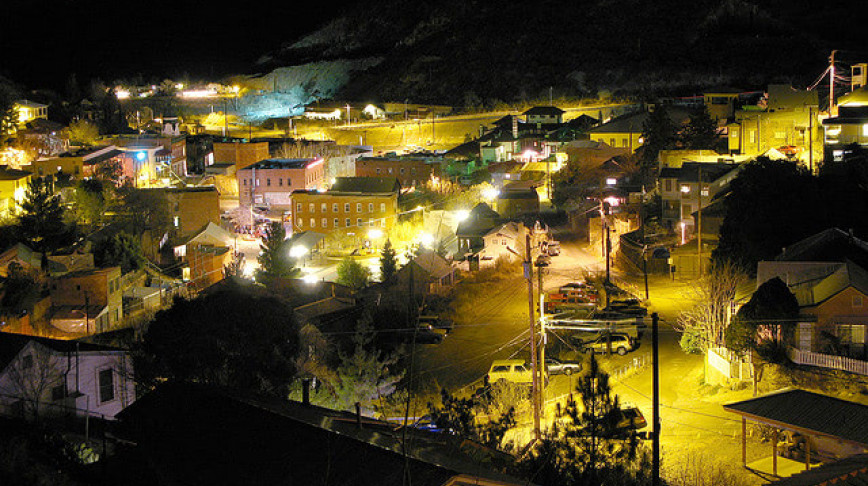
Artificial lighting at night makes us fat, depressed and sick. What are the alternatives?
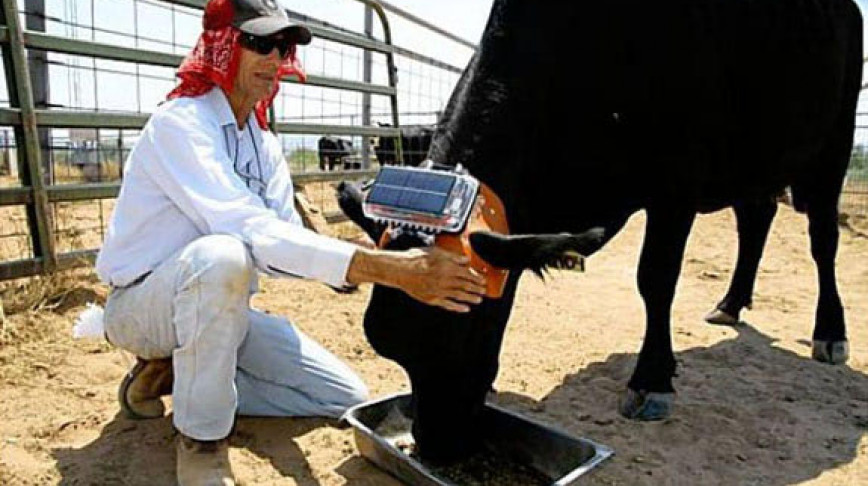
A device that remotely controls cattle's movements promises to transform the American landscape.
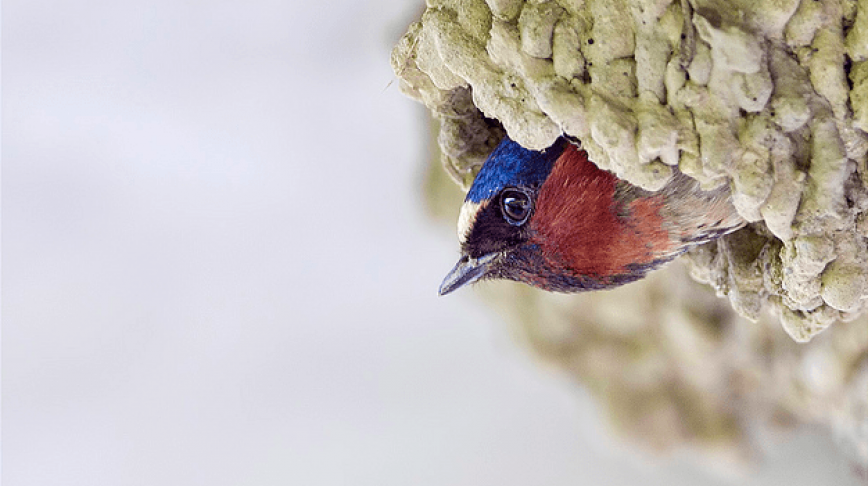
Cliff swallows, as their name suggests, like to build nests on cliffs and other rocky outcroppings. They also like building their nests on bridges and overpasses, and sunbathe on …
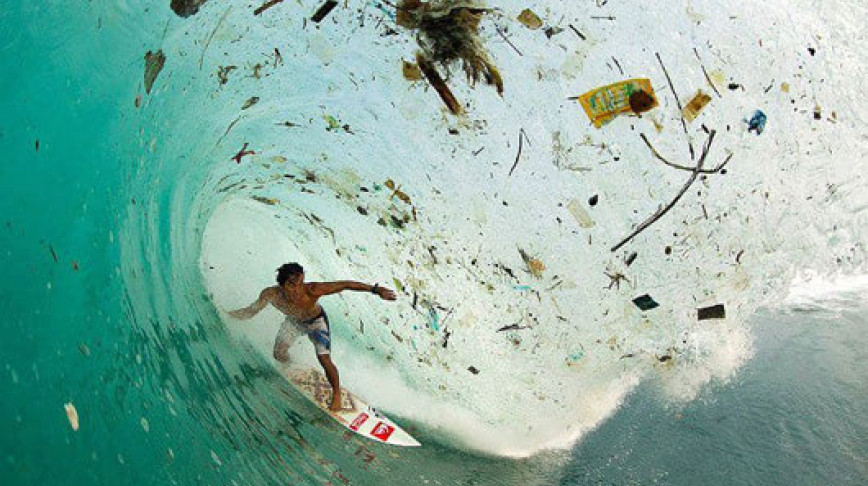
Apparently, most action pictures of surfers have the waste photo-shopped out?
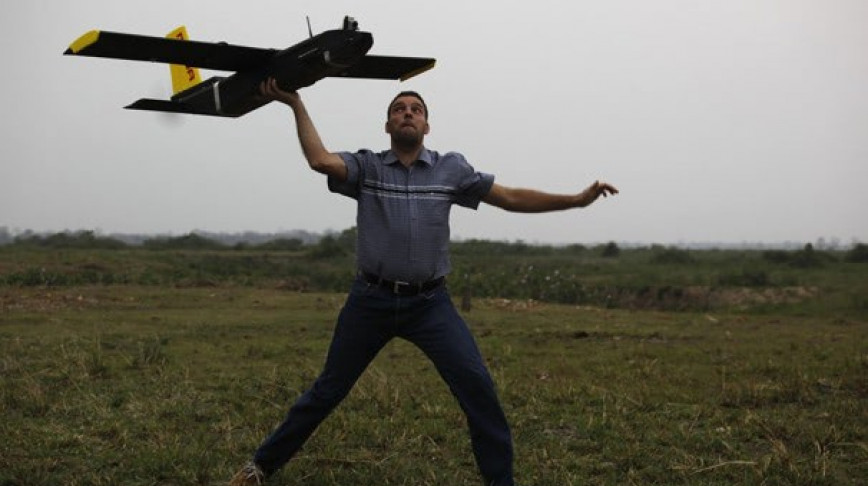

The world is returning to the era when a scraped knee or ear infection could lead to sudden, swift death.
In the warming Arctic, an area the size of the US is now covered in vegetation.
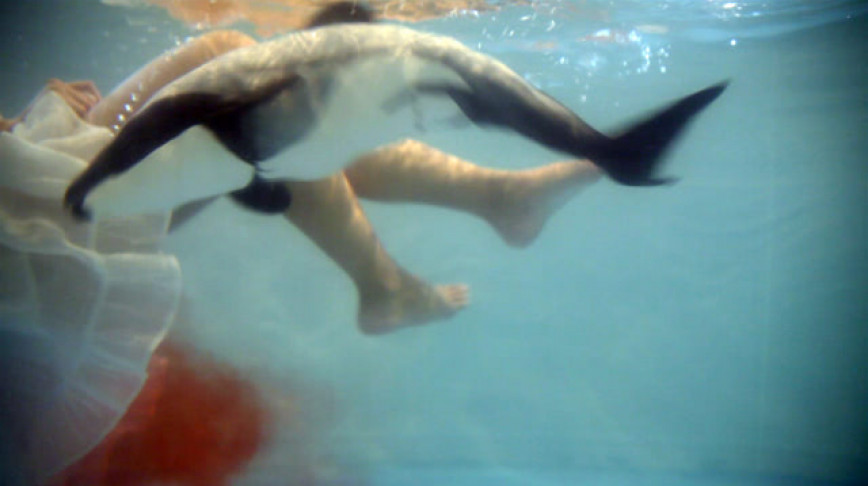
Solving the world's population crisis by replacing human infants with aquatic creatures.
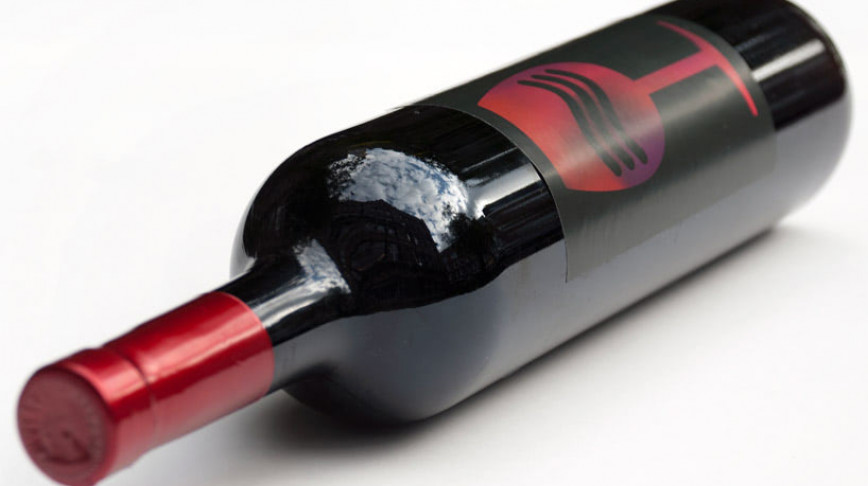
A global wine shortage is looming. Never fear: Next Nature has a solution.
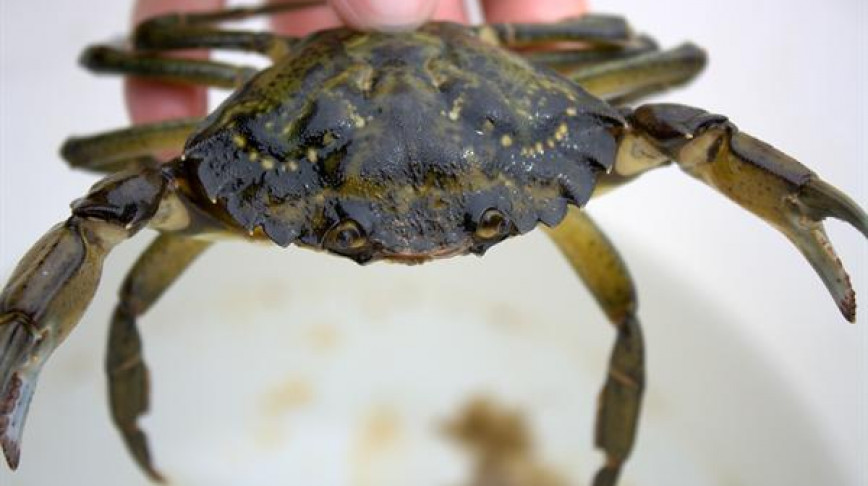
A strange set of coincidences turn an invasive species into a hero
How the extinction of mammoths changed the atmosphere.
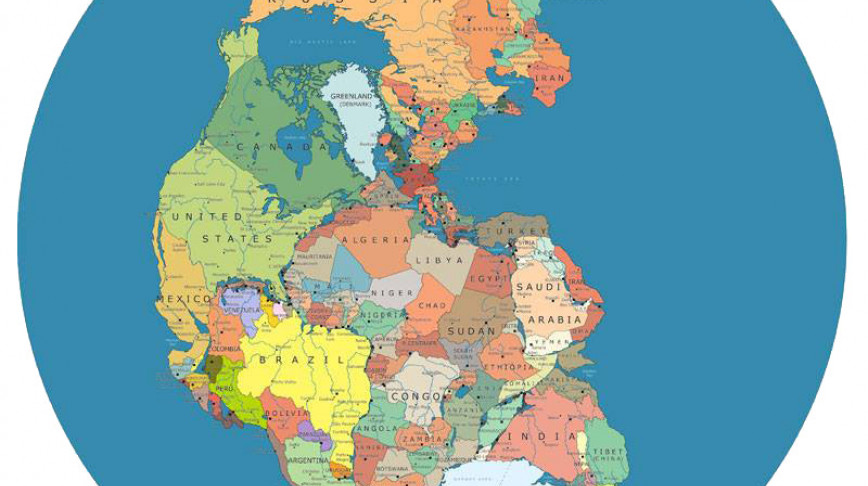
Some 300 million years ago, all countries were united in the Pangea continent. Unfortunately at the time there weren't any nature preservation organizations around it to protect and it drifted apart.
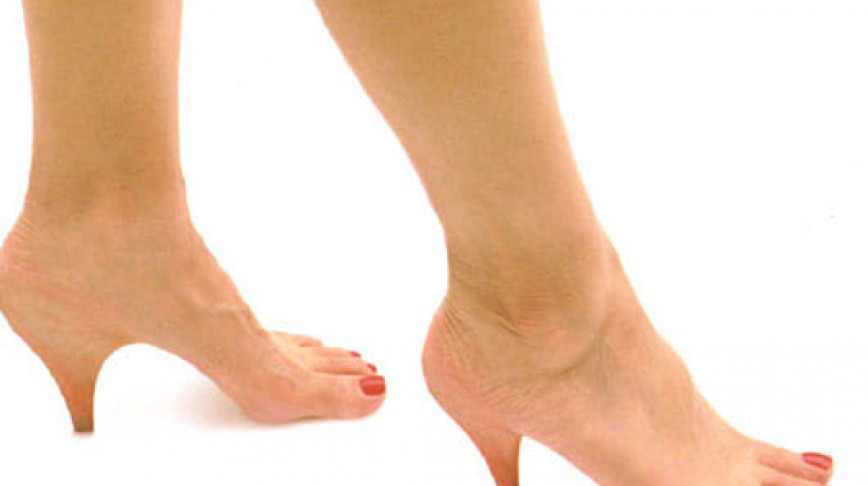
Volume magazine interviews Next Nature founder Koert van Mensvoort.
Indulge in the Next Nature stump speech at TEDx from Dr. Van Mensvoort
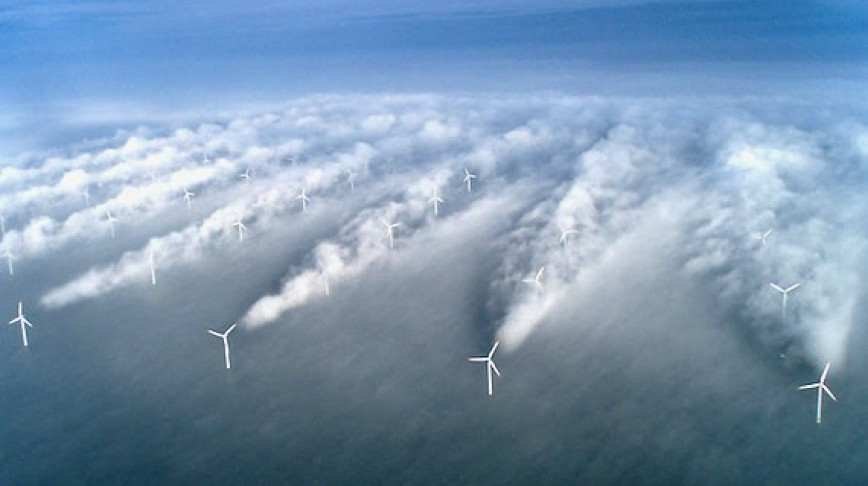
As we strive to milk all available energy from nature, we not only harvest but alter our surroundings in the process. By mixing the warm sea air with cooler air above, offshore …
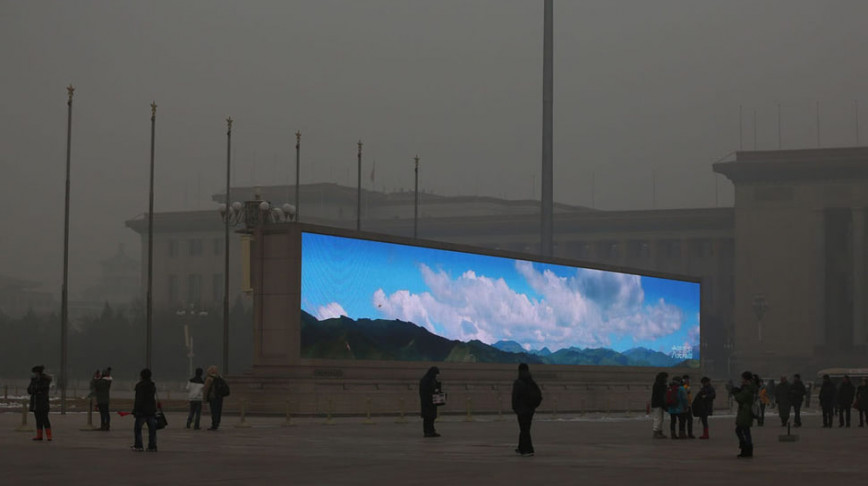
Blade Runner becomes reality in China. Just try not to breathe.
Buckle up for another cinematic espresso shot from our favorite performance philosopher Jason Silva.
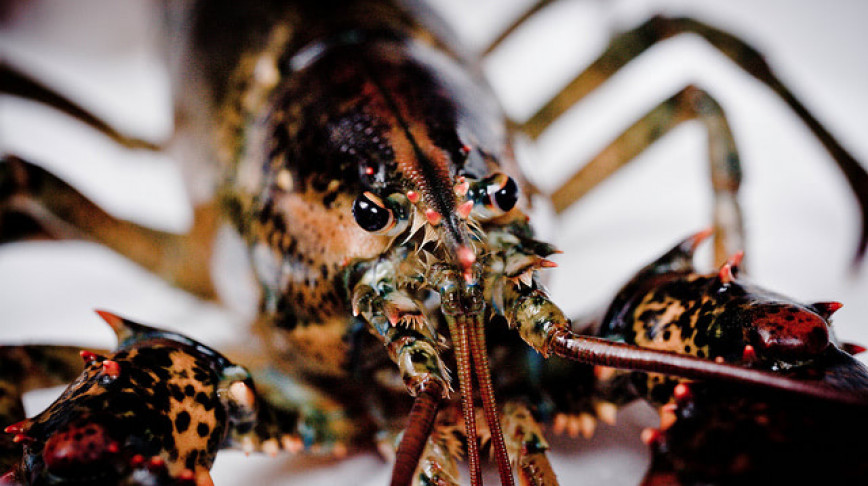
The surprising - and predictably depressing - reasons why lobster stocks are booming.
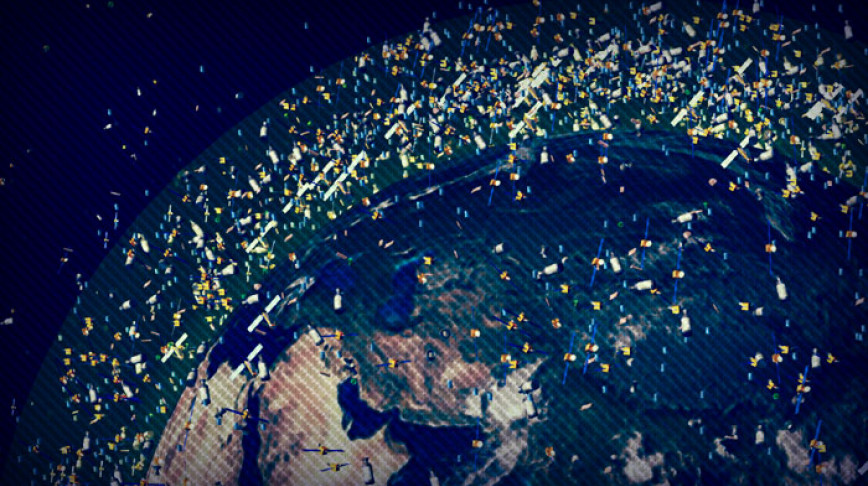
JAXA developes a net that could collect debris from outer space.
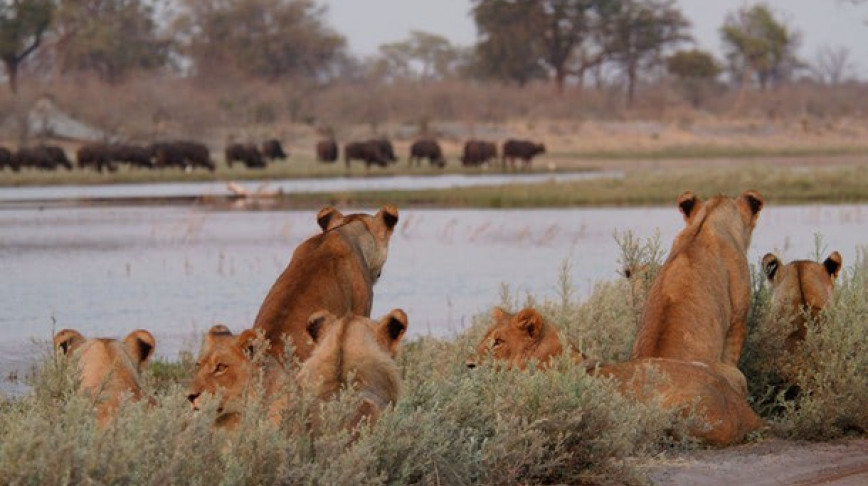
British philosopher David Pearce believes we should to stop animals from hunting and killing other animals.
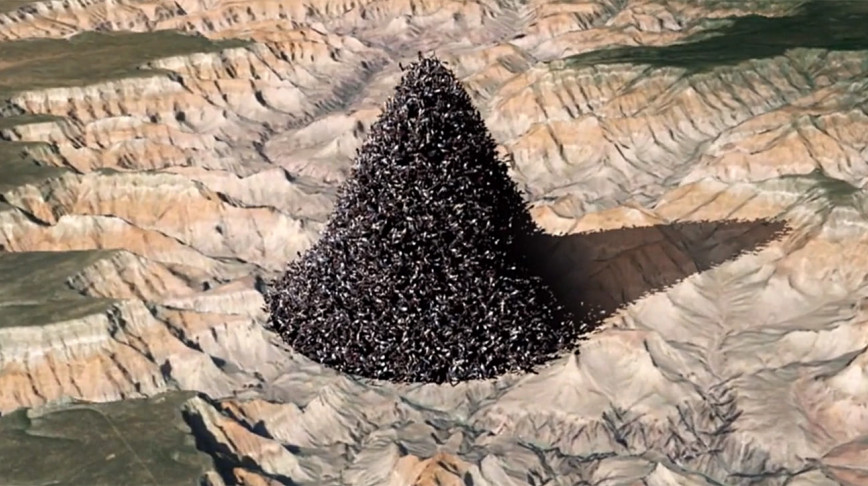
All humans on Earth put together are not enough to fill the Grand Canyon. We are so small yet so present.
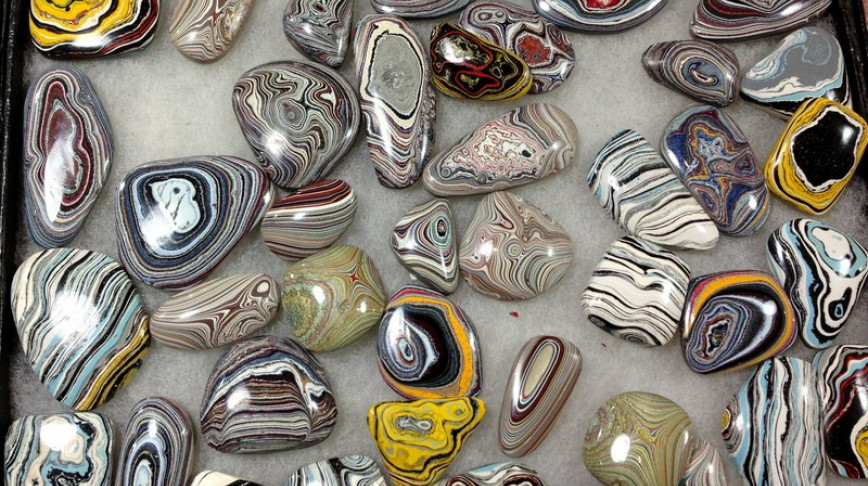
Nextnatural stones formed from layers of paint in old car factories.
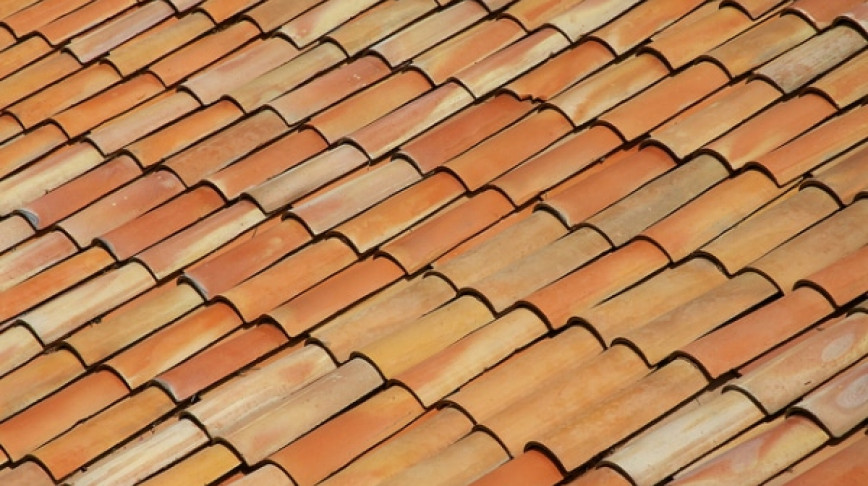
Smog-busting roof tiles could clean tons of pollution.
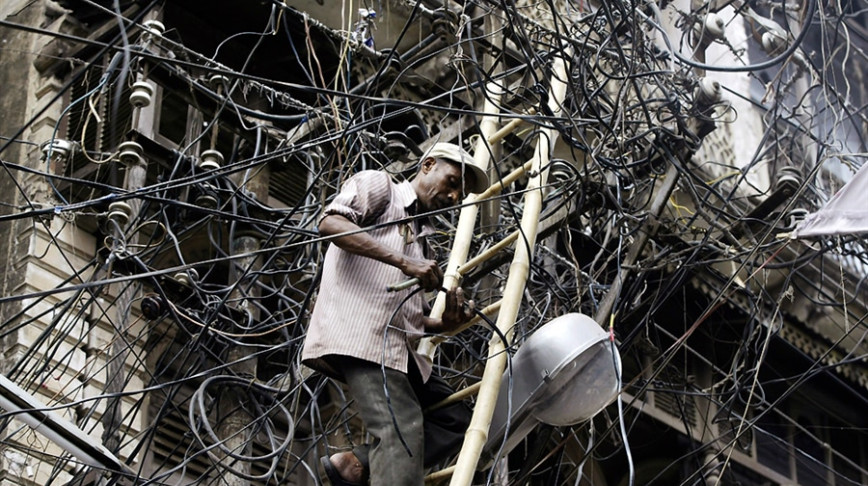
Indian fragile DIY electronic infrastructure gives an insight into our complex electronic wire systems.
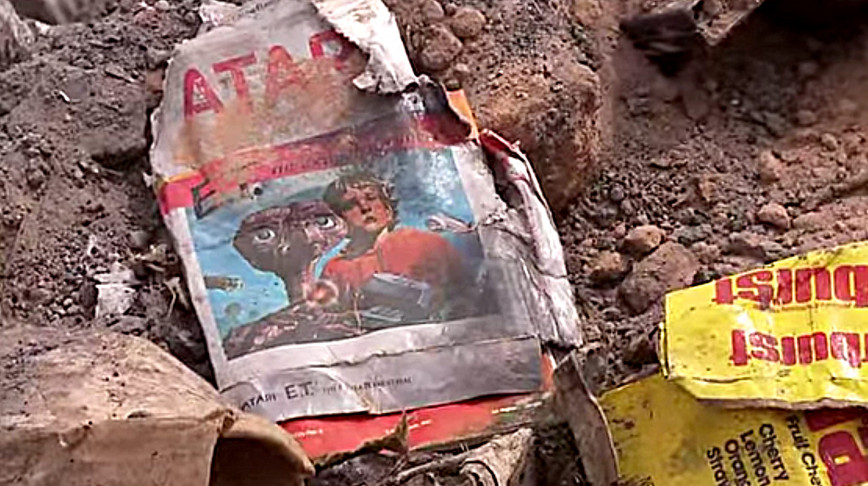
An unsuccessful piece of video gaming history became an archeological record.
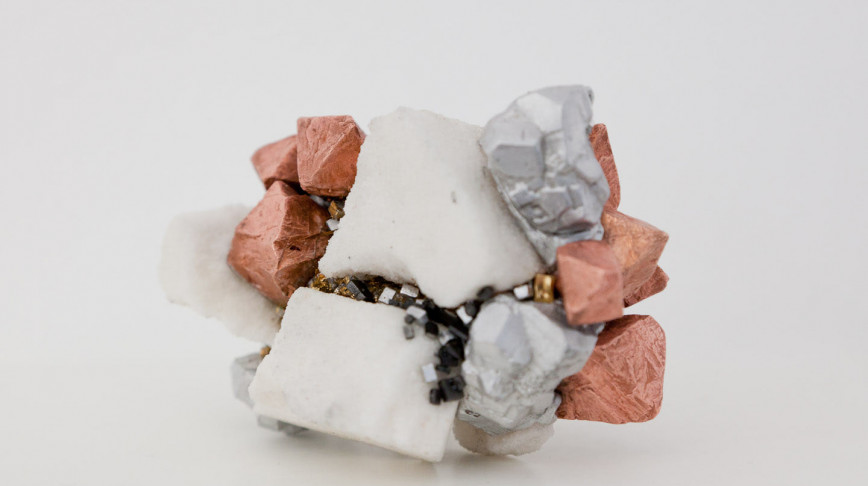
A new artificial mineral made of technological artifacts, such as computers, tools and machinery.
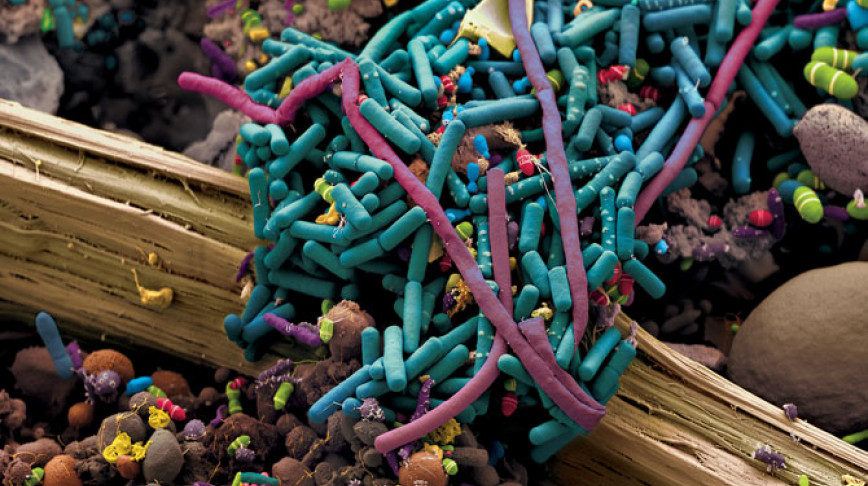
Healthy gut bacteria may hold the key to weight loss – but only isolated communities may preserve "natural" intestinal biomes.
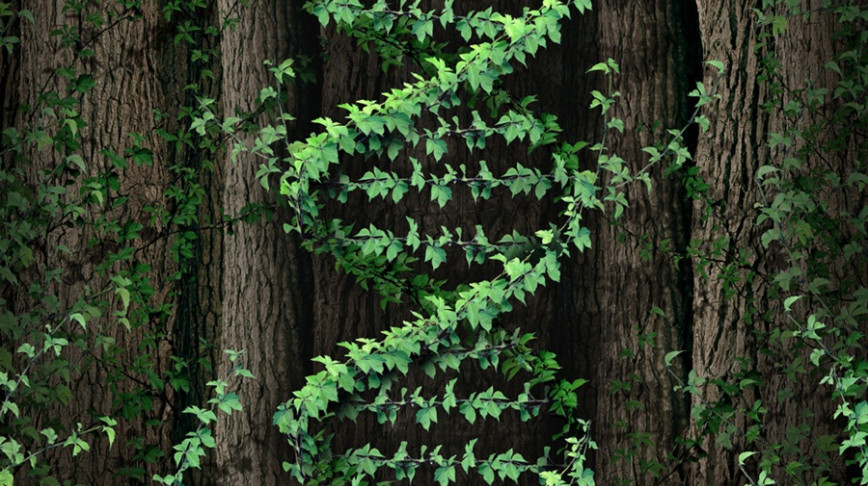
Bioengineer Drew Endy shares his idea of biology as a precision manufacturer that could potentially transform civilization as we know it.
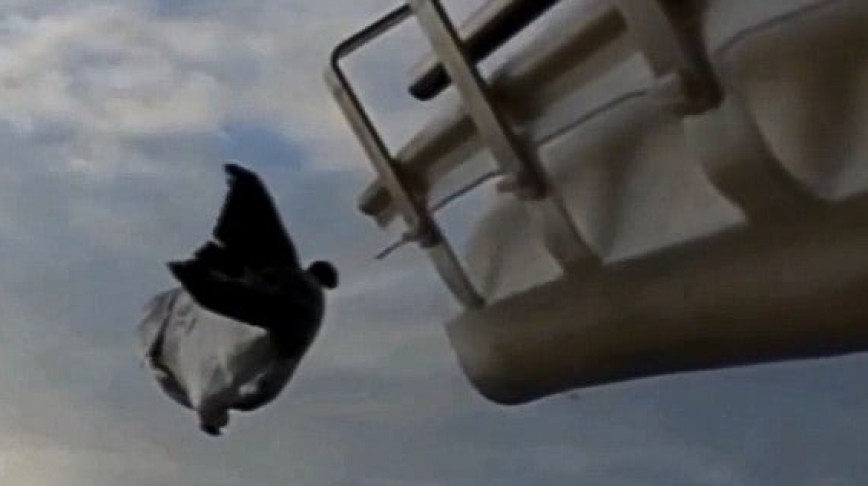
A cannon that sucks salmon up and “shoots” them out in a different body of water.
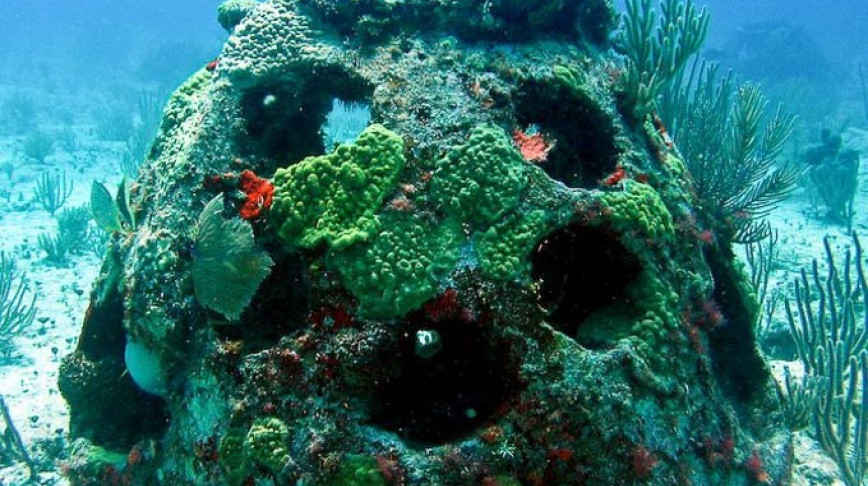
After death you could have your ashes made into a rock to form the base of an “eternal memorial reef” .
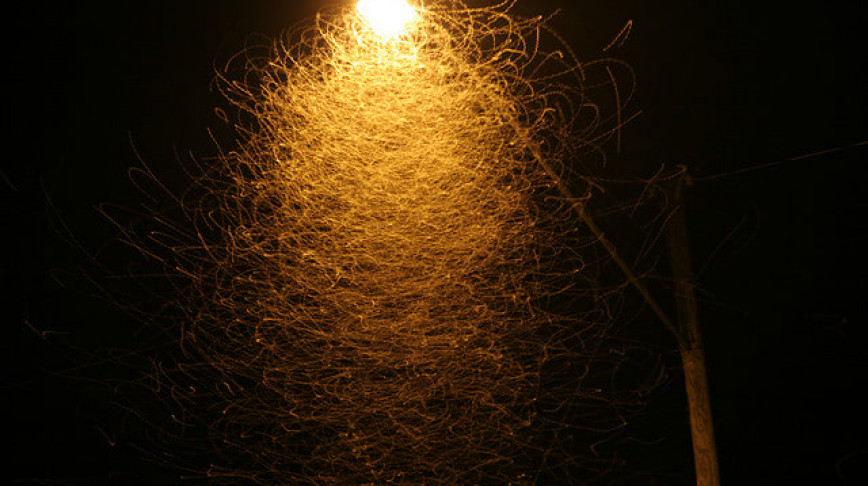
Streetlights affect local ecologies for a longer duration, and at a higher level in the food web, than previously thought.
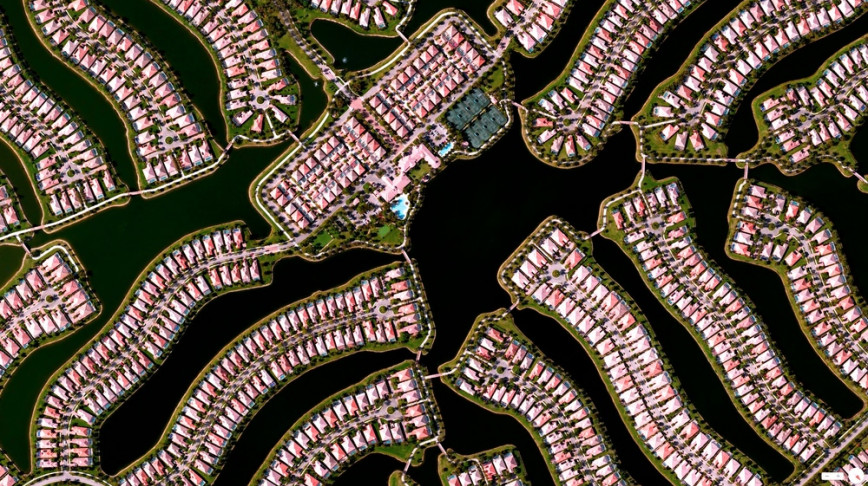
Breathtaking satellite images that will change how you see the World.
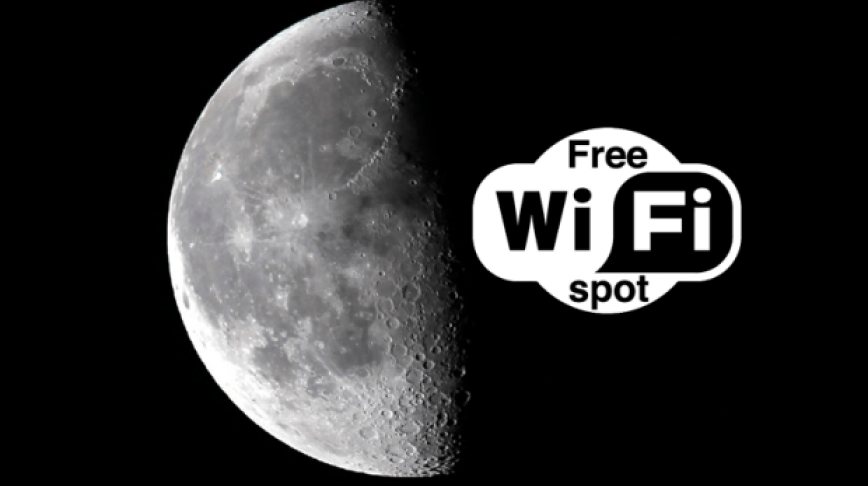
Researchers proved it is possible to provide the Moon with the wireless connectivity we have on Earth.
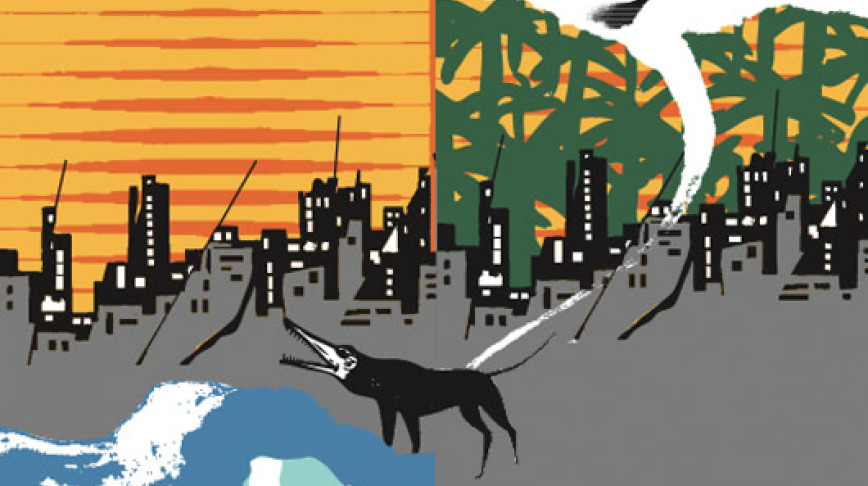
Climate fiction has gone from a once-fringe genre to a standard literary device, it acts as a barometer of our own ecological anxieties.
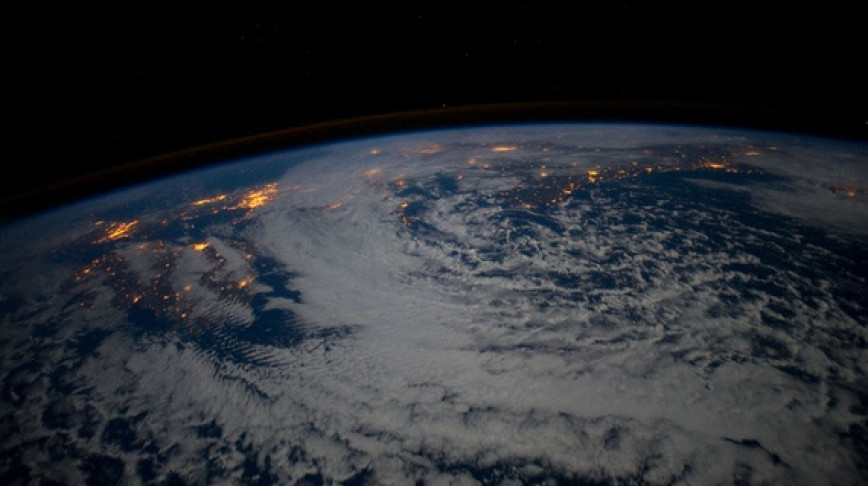
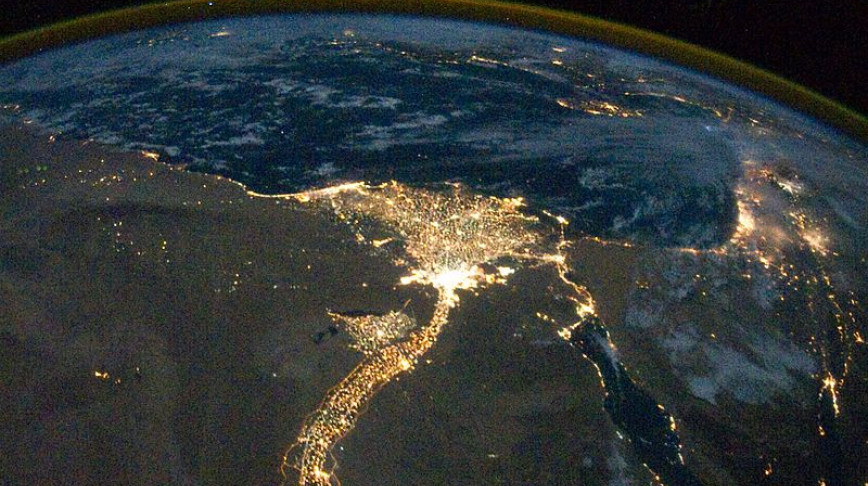
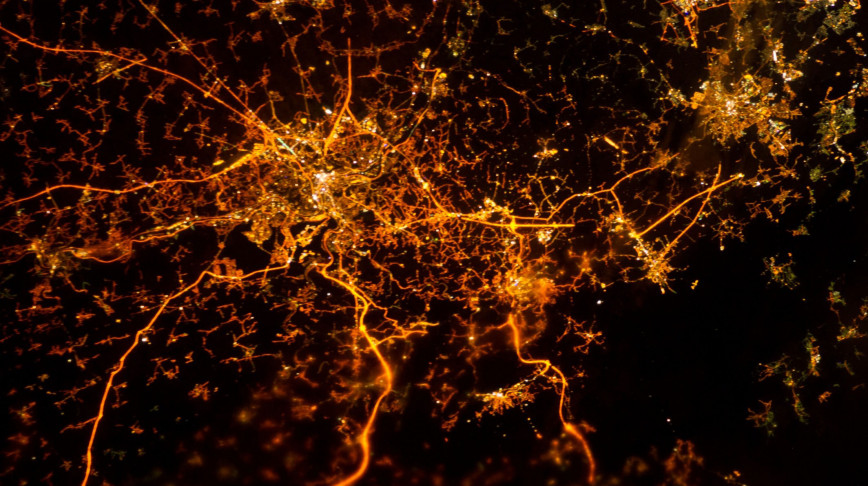
Less than one millennium ago the Earth at night was all black. Today it is all glowing and blossoming.
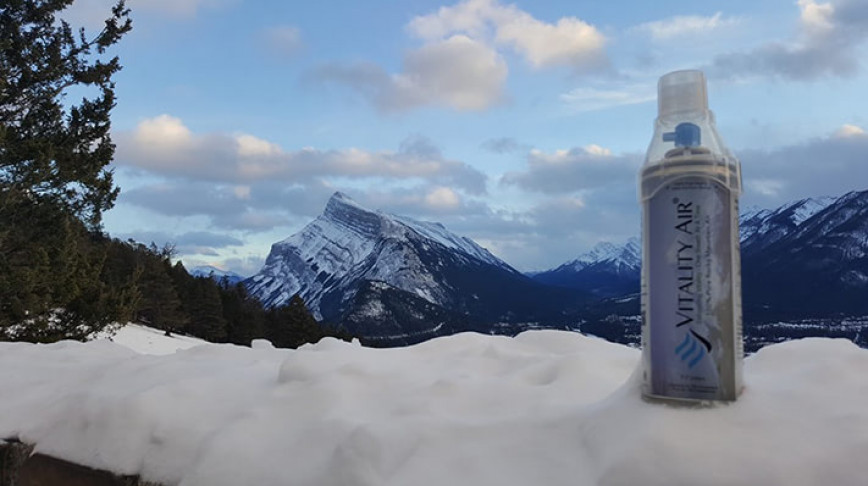
A Canadian start-up that collects oxygen from the the Rocky Mountains forests and bottles it to sell.
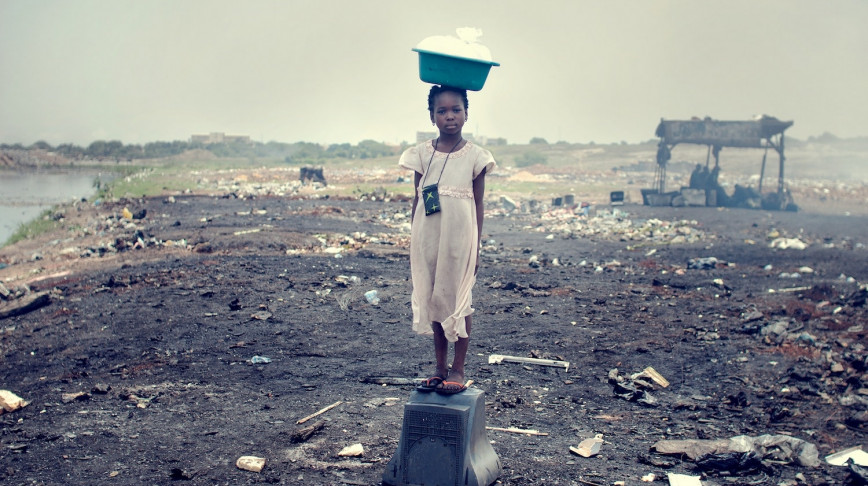
Agbogbloshie is a former wetland that is turned into a slum and now it is full of toxic electronic waste.
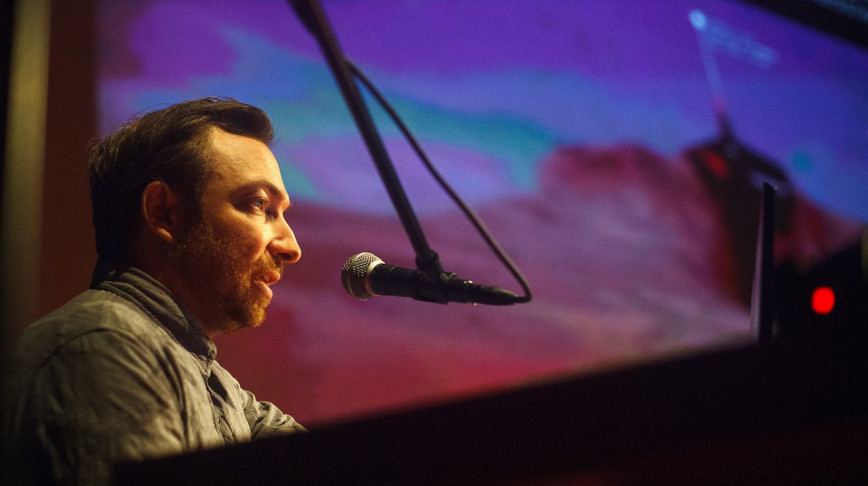
Interview with Liam Young on his work in speculative architecture, the future, and our role in nature as humans.
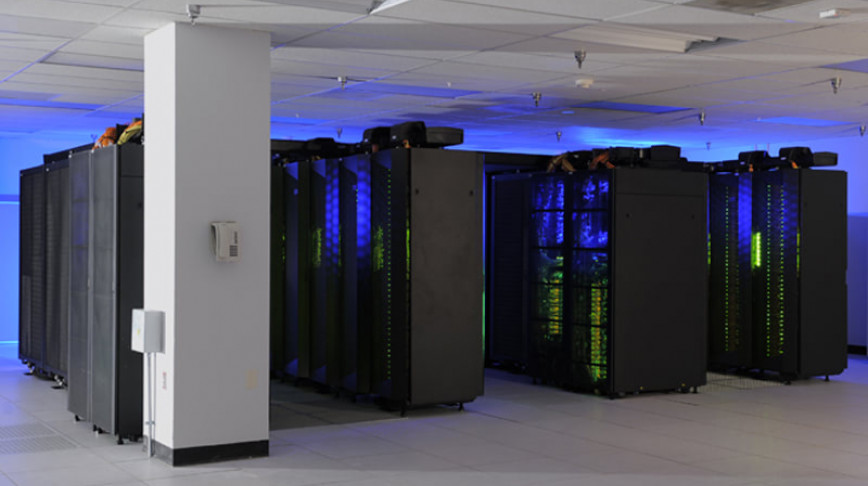
Researchers at Nasa's Center for Climate Simulation (NCCS) in Maryland can deploy a supercomputer called the "Discover".
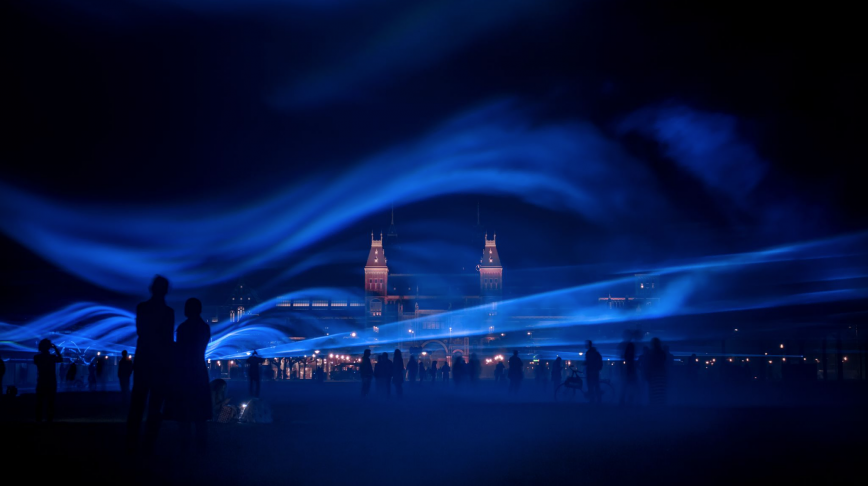
Waterlicht shows how the Netherlands would look without waterworks — a virtual flood.
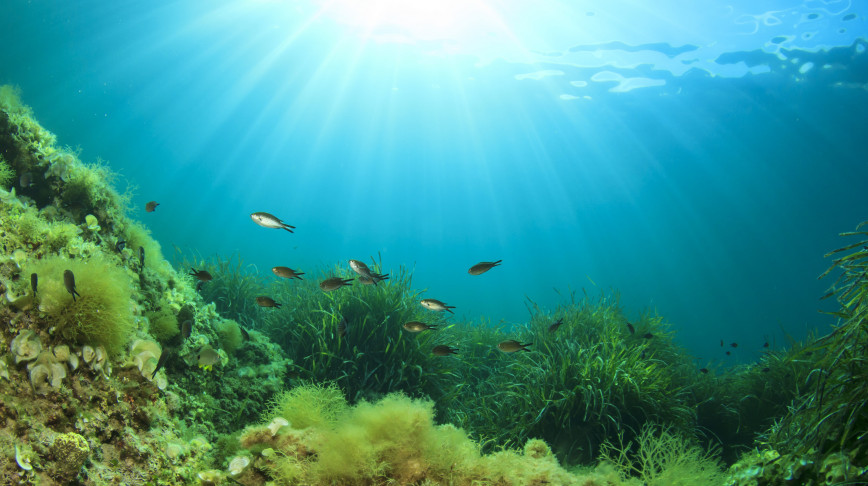
By burning fossil fuels we are responsible for the increase of carbon dioxide in the Earth's atmosphere. Aside from raising temperatures globally, this is also affecting our …
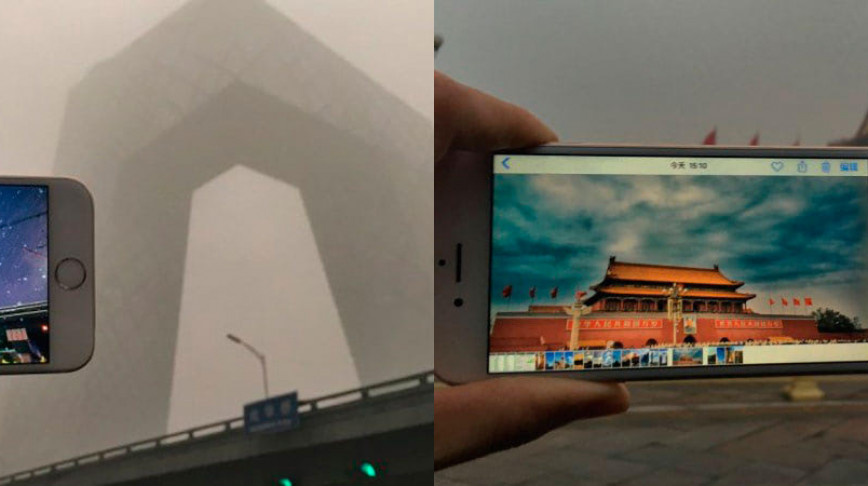
A few days ago, these images of iconic buildings in Beijing as they look with and without intense smog have been posted on Weibo, one of China’s most popular social media …
Solar Impulse 2 is a Swiss project with the aim to enable long term flights using solar power.
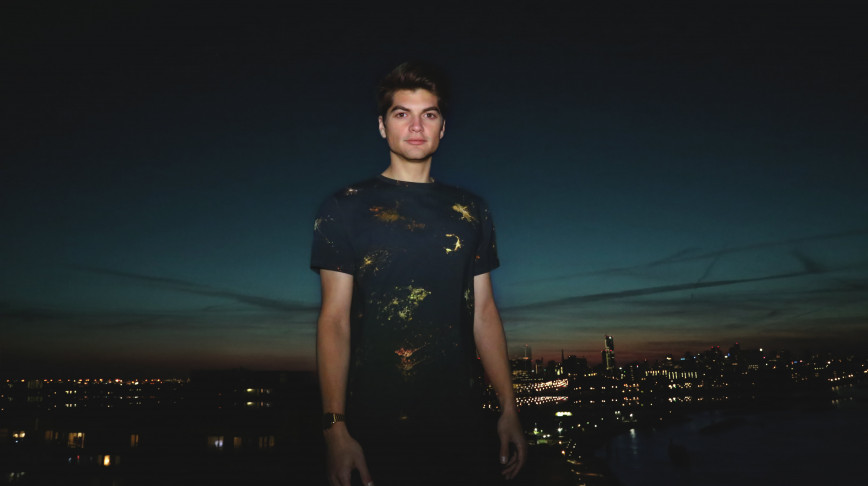
Featuring different cities at night, the Next Nature Glowing Planet T-shirt highlights the enchanting beauty of our glimmering world.
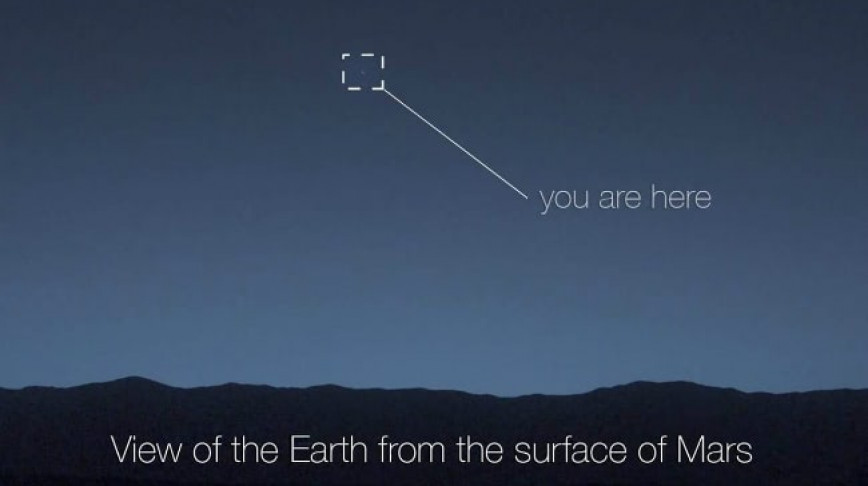
Since plans for conquering the Red Planet are becoming more serious we should get acquainted with the possible view from up there.
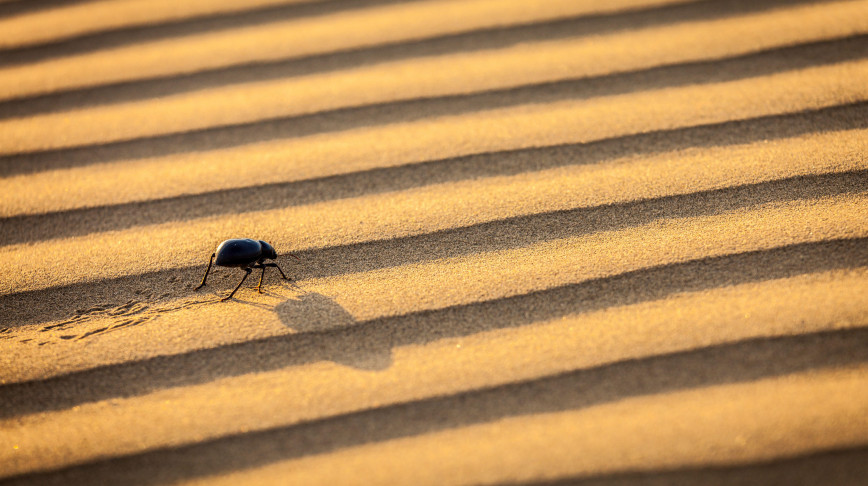
Scientists in Harvard University have designed a new material inspired by organisms, such as cacti, that can effectively harvest water from thin air.
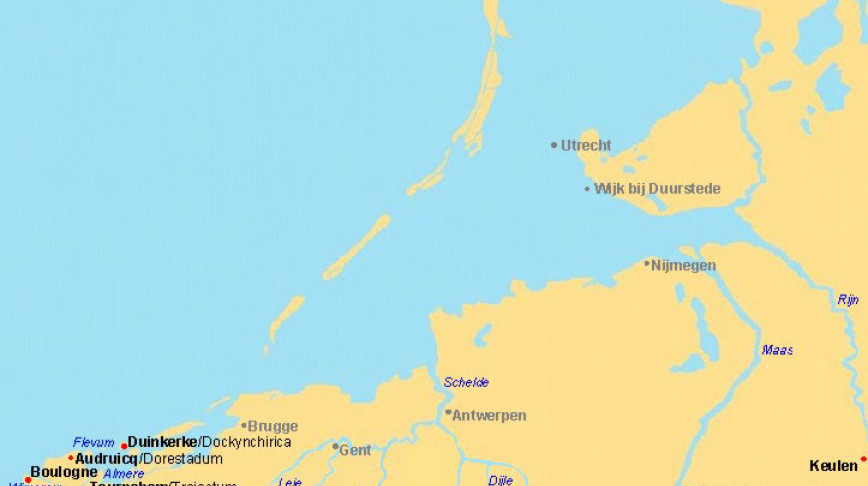
A speculative rendering of a climate change catastrophe? Is this our future? Or our past, long before people starting building dykes in the low lands?
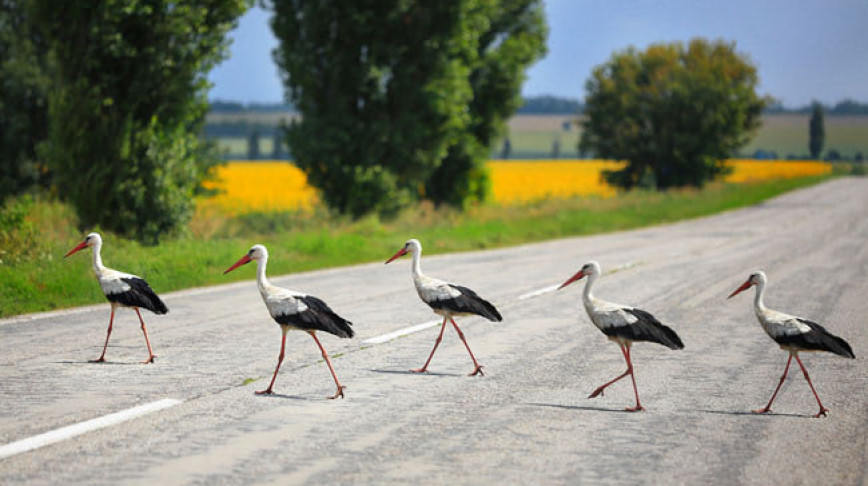
Garbage dumps may not be very attractive places for us but they sure are for animals. A study published in Science Advances shows how certain groups of storks modified (and …

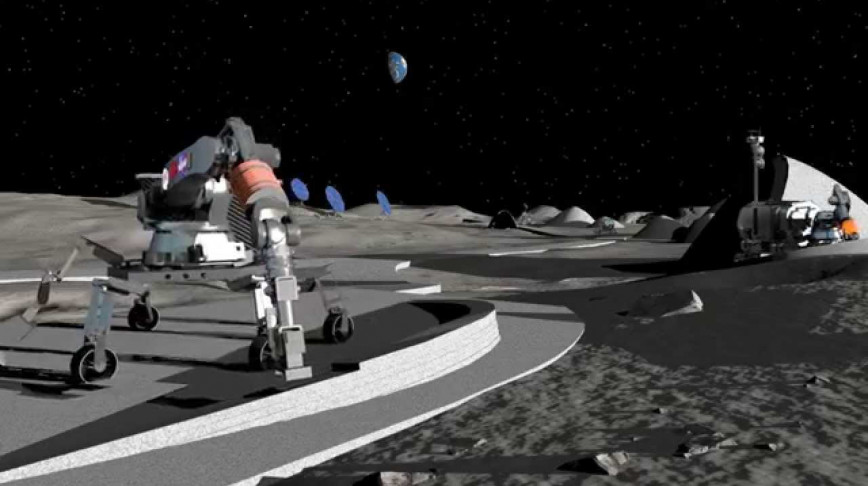
Lunar Insurrection is a group of architects that explores the creative possibilities of the moon as a potential territory for human activity and inhabitation. In Vol.2 , their …
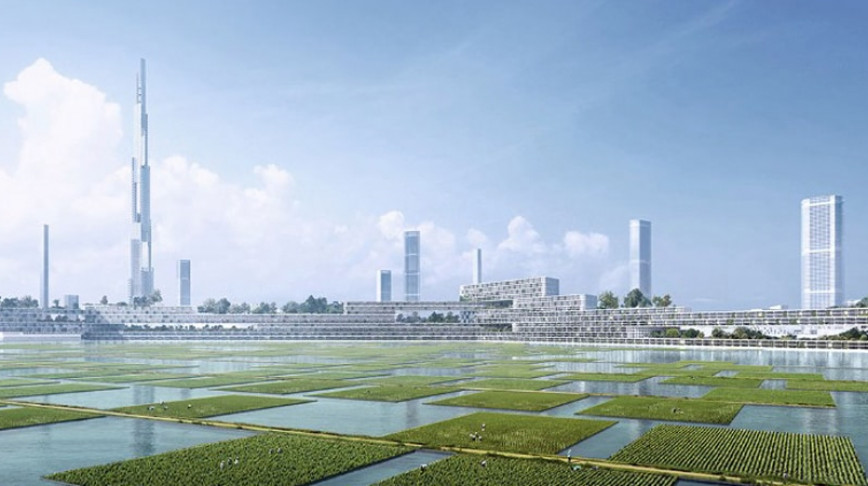
A proposal for a residential skyscraper in Tokyo Bay as part of “Next Tokyo”, takes into account the recurrent threats of rising sea levels, seismic activity and typhoons.
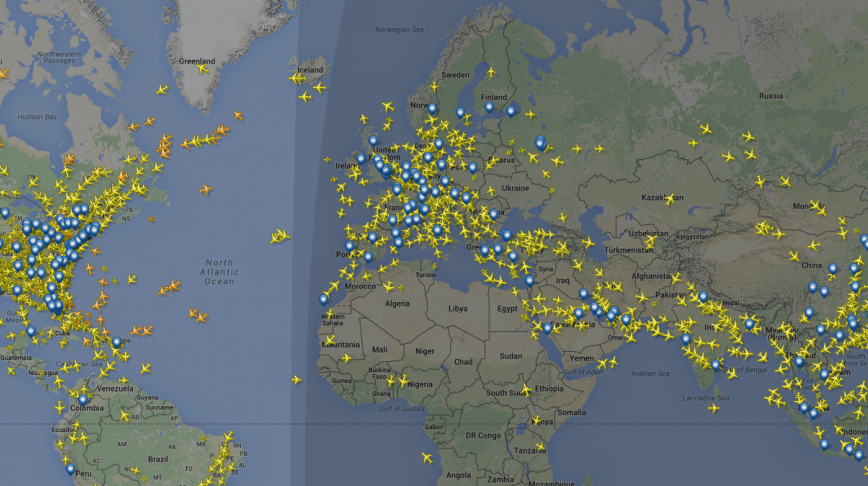
Today there are on average there are some 8000 planes in the sky carrying at least half a million people. On average during the Stone Age there must have been less.
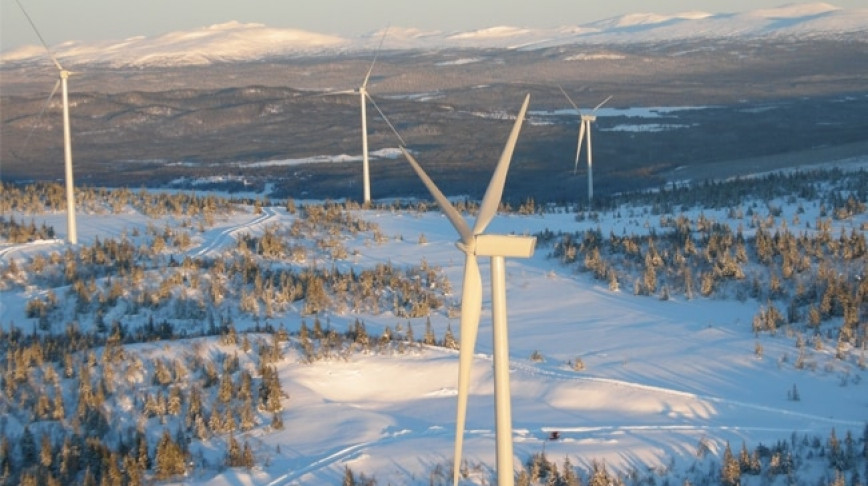
We may be still far away from pollution-free Internet browsing, but at least the next time you send an e-mail you can feel relief at the thought that the strong arctic winds of Scandinavia are keeping the Google servers cool and running.
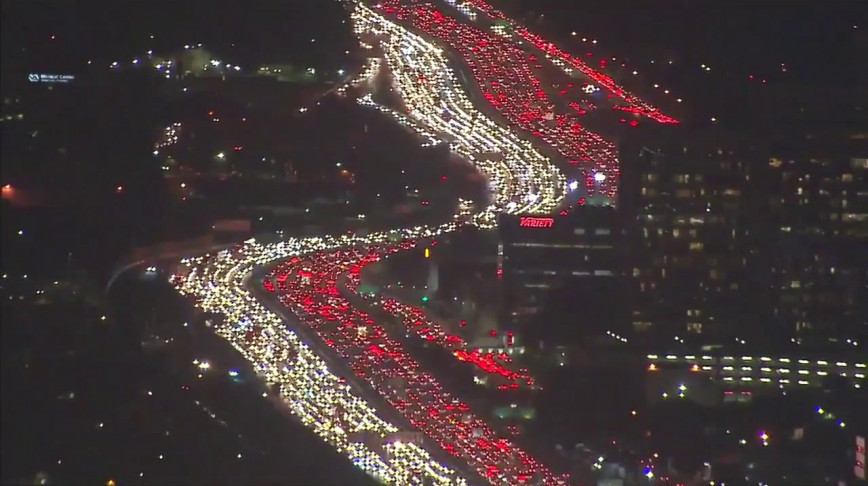
In suburbia, we hope to get away from it all. Unfortunately, everyone else has the same idea. Happy Thanksgiving to our American readers!
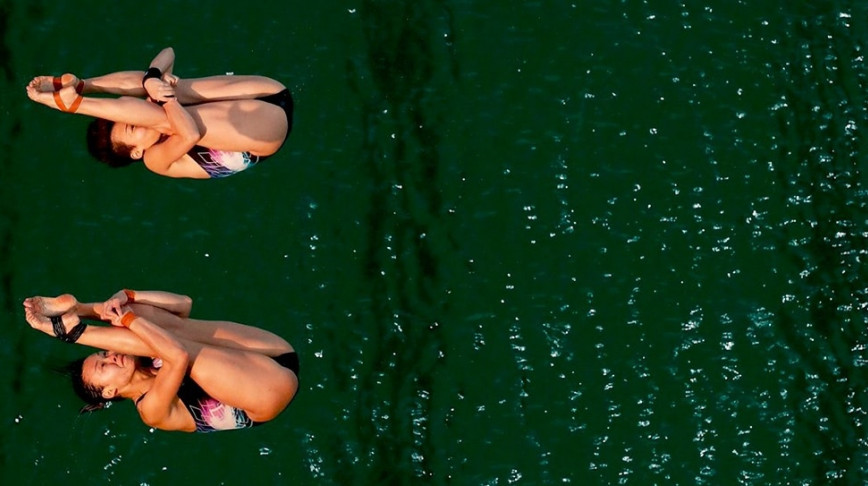
Last week the Olympic women’s diving pool at the Maria Lenk Aquatics Centre mysteriously turned swampy green overnight.
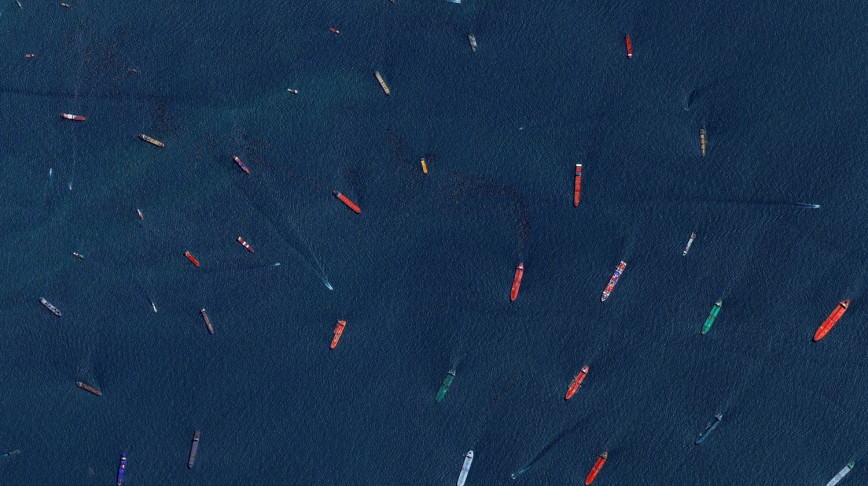
Researchers prove that pristine landscapes haven’t existed for thousands of years, therefore we should change or mindset before trying to save the planet.
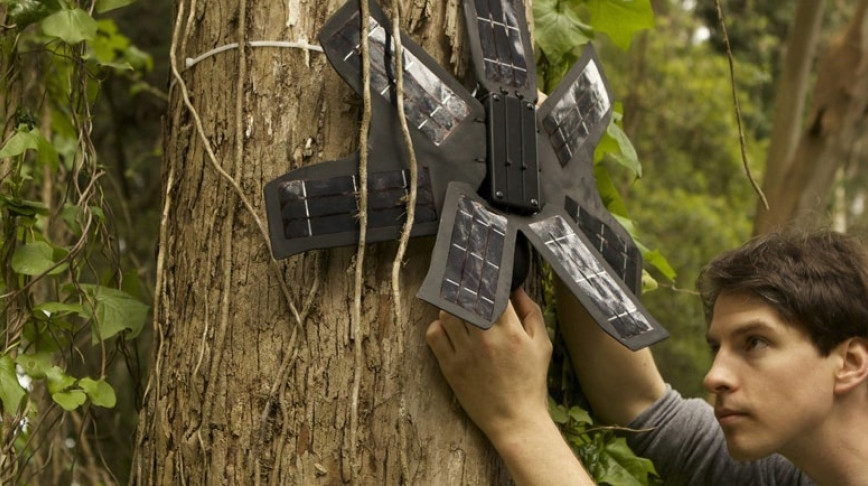
A Californian engineer is using old cellphones and solar panels to save the rainforest ecosystem against deforestation.
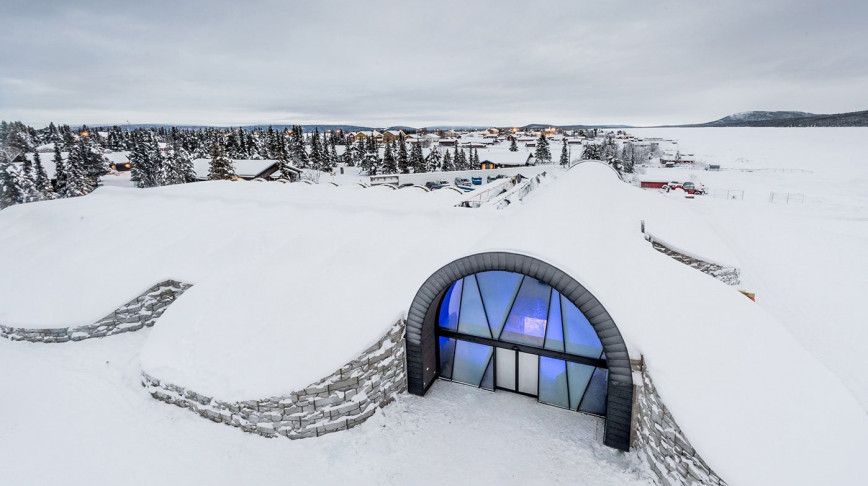
Sweden's new Icehotel 365 uses solar cooling to stay open all year.
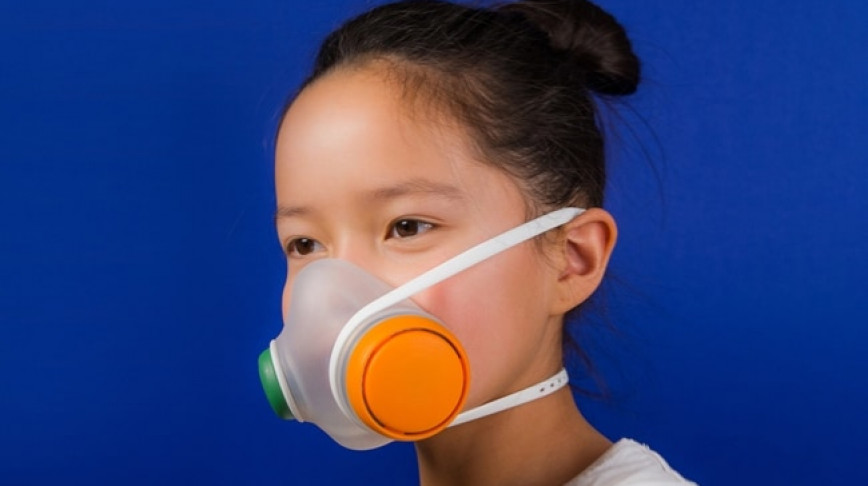
Danish design studio Kilo created an air pollution mask suitable for kids aged six and up.
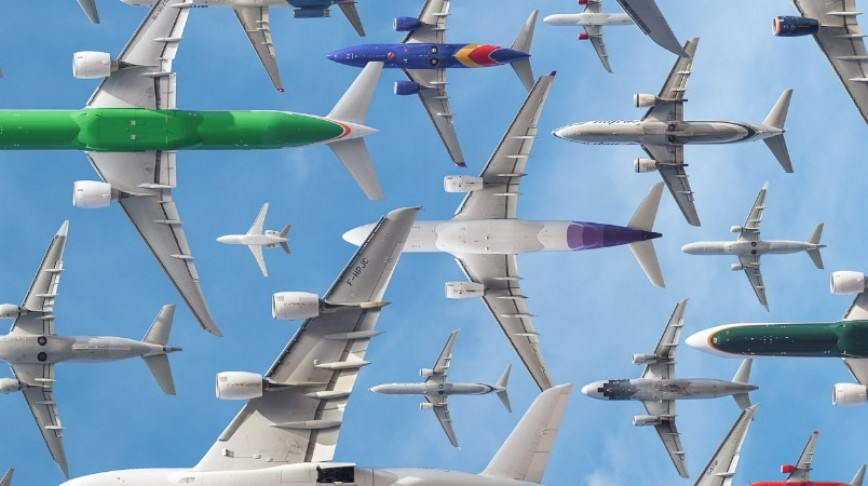
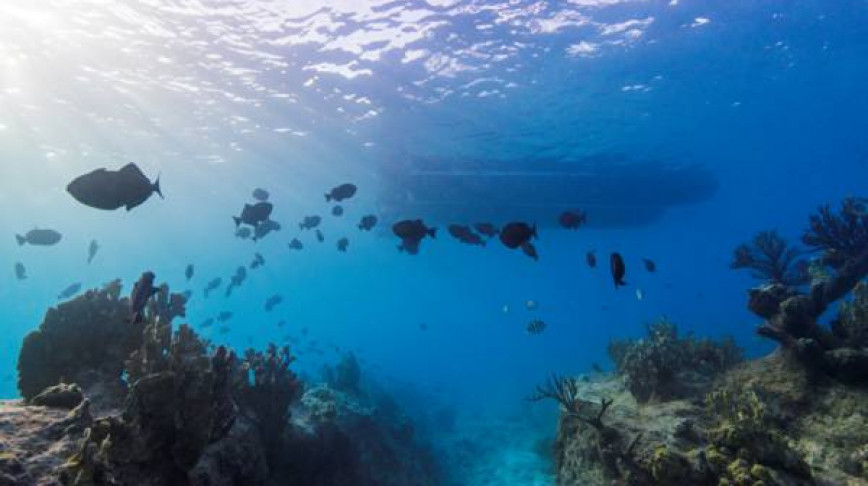
A study revealed that the sound of motorboat engines disturbs coral reef fish so acutely it changes their behavior, making them bad parents.
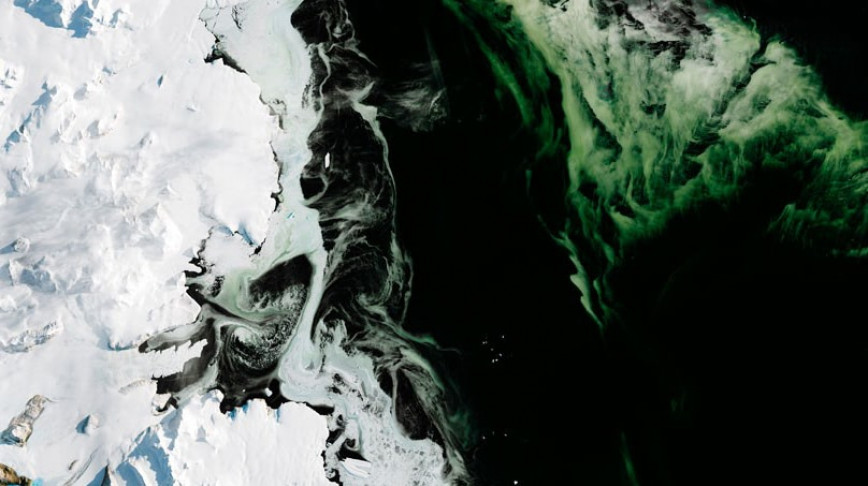
Rising temperatures have boosted the growth rates of seasonal mosses on Antarctica, turning the continent green.
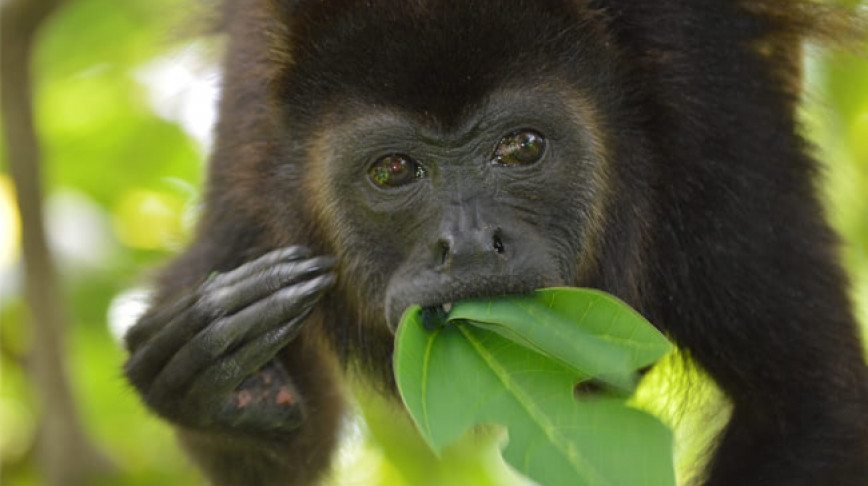
Climate change turns rainforest leaves into junk food.
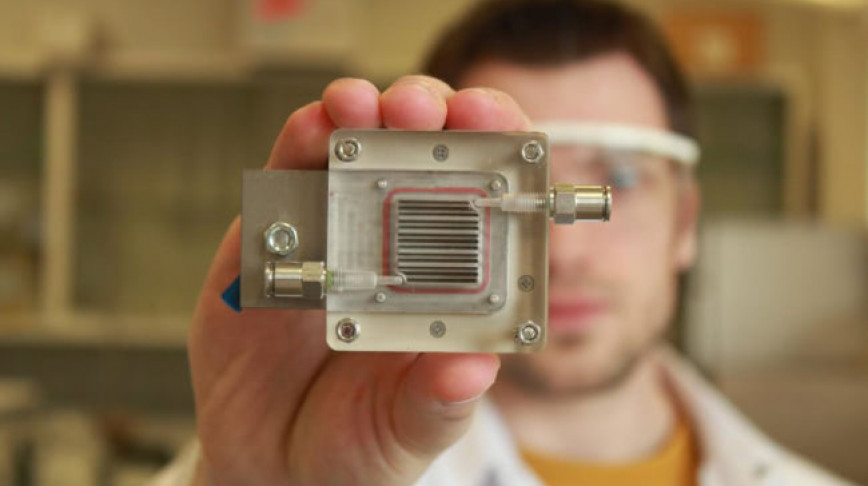
Scientists developed a device that converts polluted air into clean air while generating power.
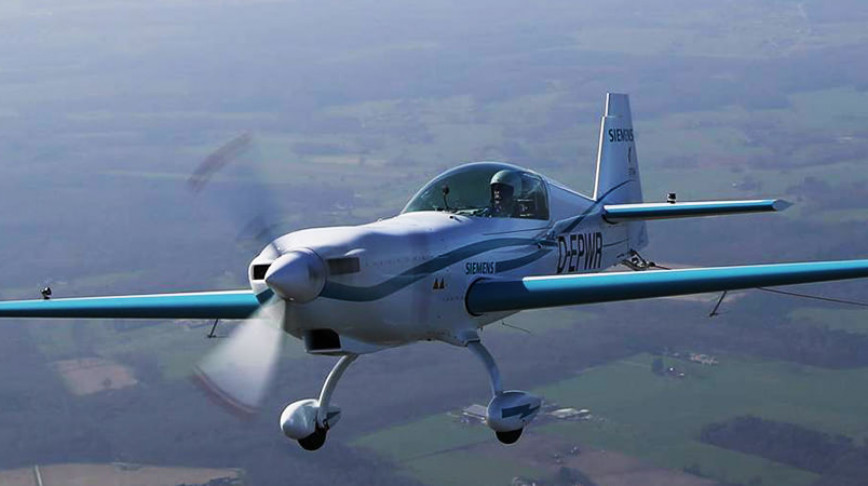
German company revealed fastest electric plane.
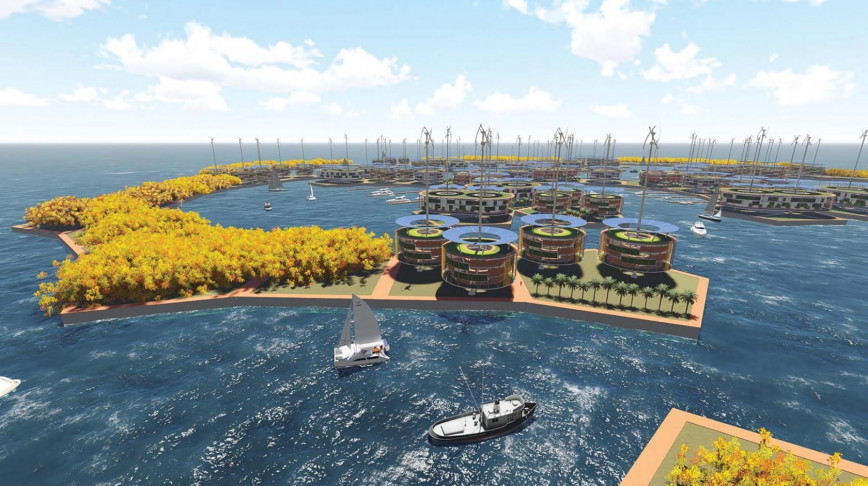
Company Blue Frontiers wants to build 7.500 square meters of floating city made up of linked platforms, starting 2018. They hope to complete it by 2020.
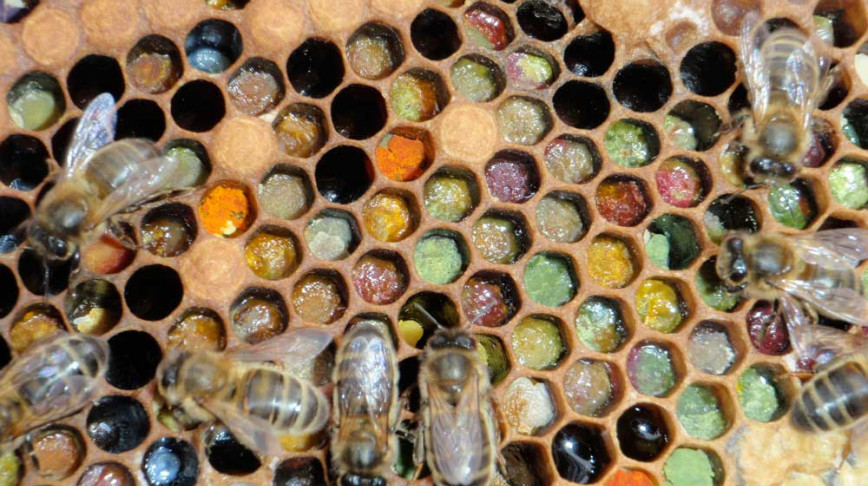
What can we learn from listening to the buzz of bees' conversation? With the help of a new monitoring system, a Canadian researcher is hoping to find out.
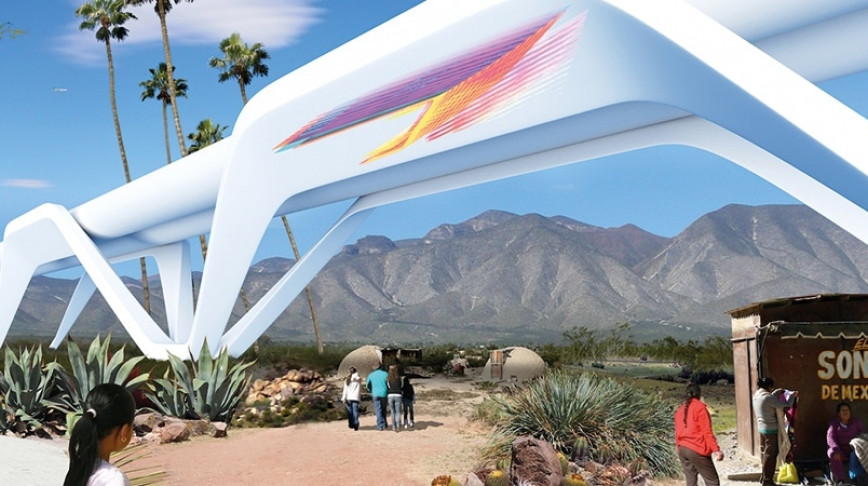
This group of 14 designers, engineers, builders and architects make a proposal of a wall for Trump's ambitious project.
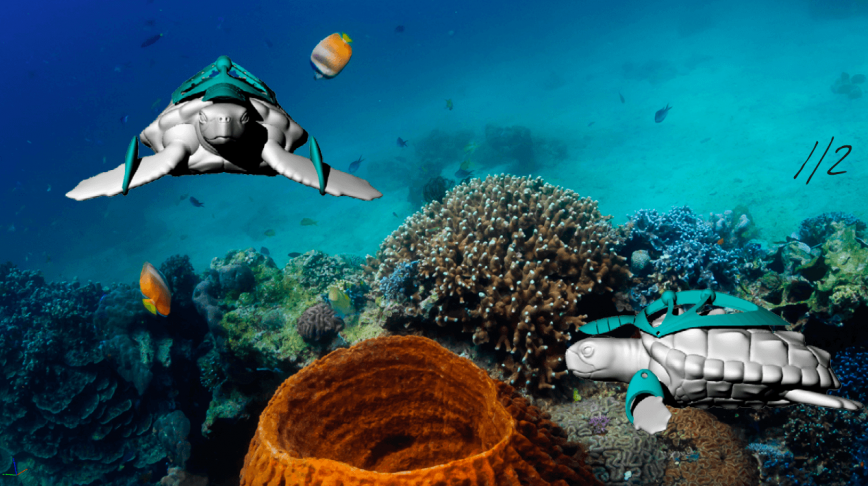
Antonio Esparza designed the TurtleBag: a 3D printable exoskeleton to help turtles distinguish plastic bags from jellyfish and extend their lifespan.
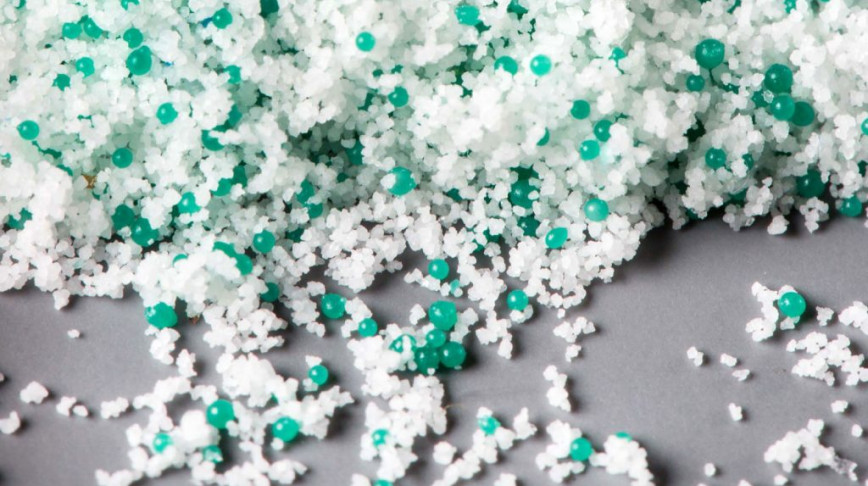
A recent study examining the purity of 17 commercial sea salt brands from eight different countries found microplastics in all 17 samples.
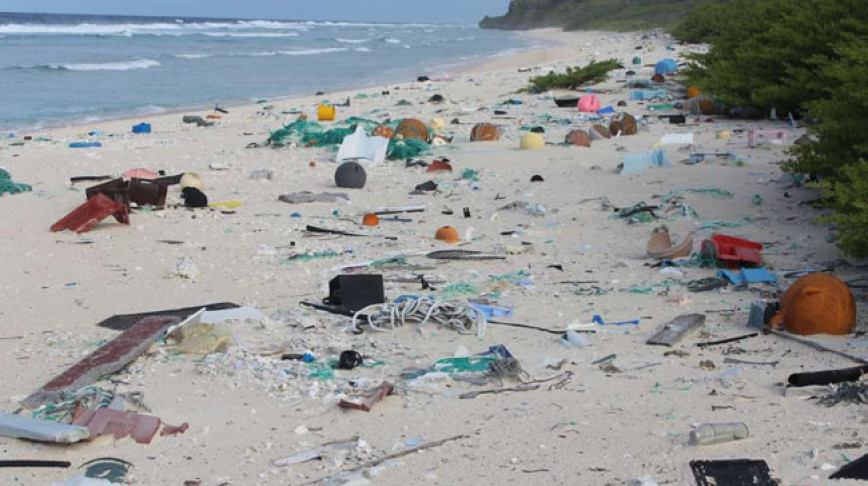
While this image seems like another polluted beach after spring break, it was taken on a remote uninhabited world heritage site in the Polynesia.
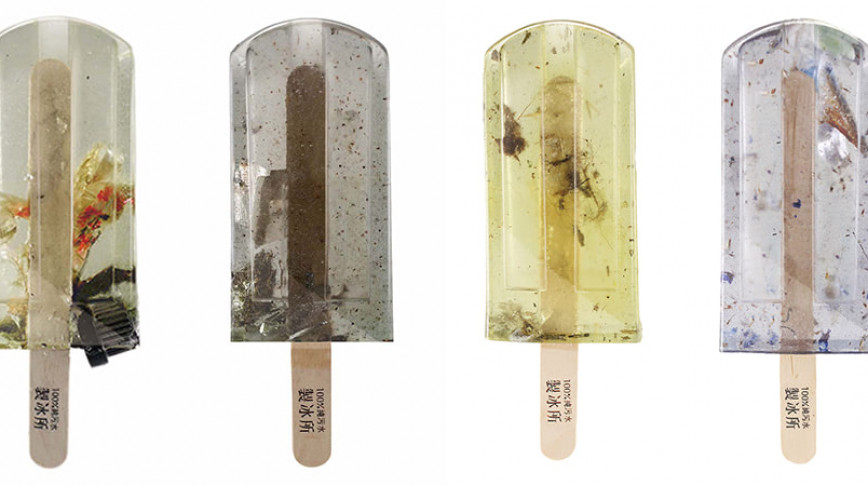
The image of polluted water popsicles surely tastes better than the real thing, we hope its message goes a long way as well.
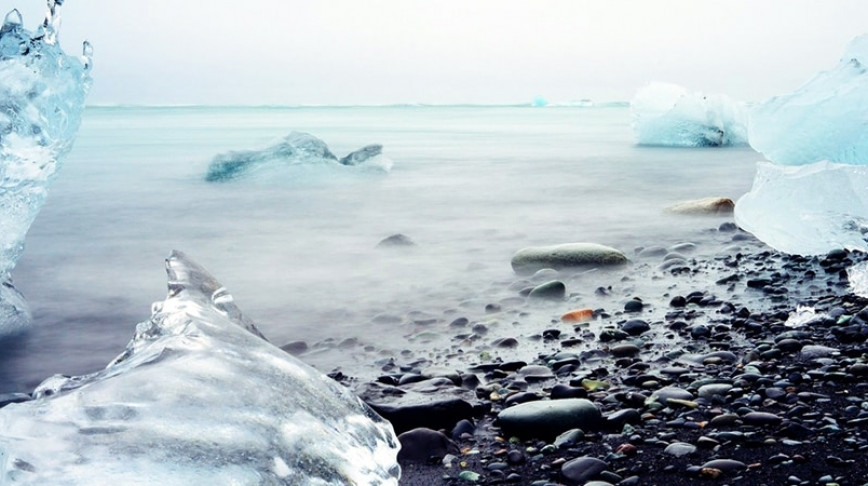
A team of scientists developed a peculiar strategy to counter the Arctic ice melting.
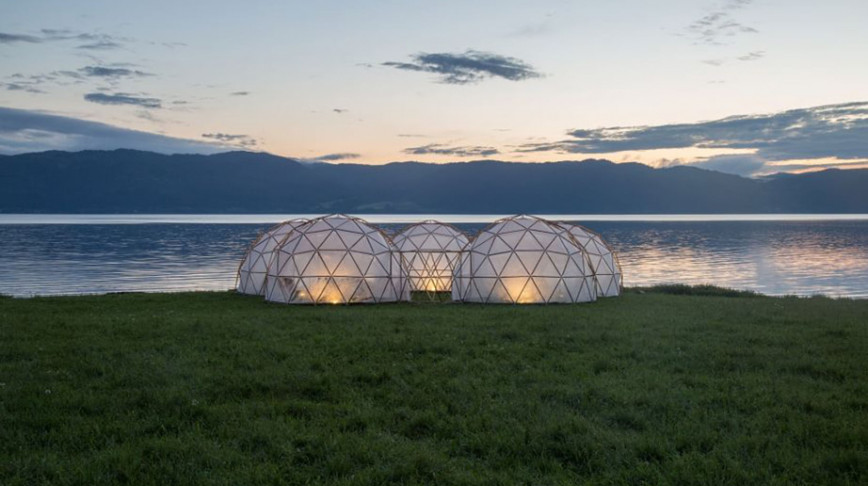
The Pollution Pods installation replicates the smell and air quality of five different urban environments, forming the smell of a global economy.
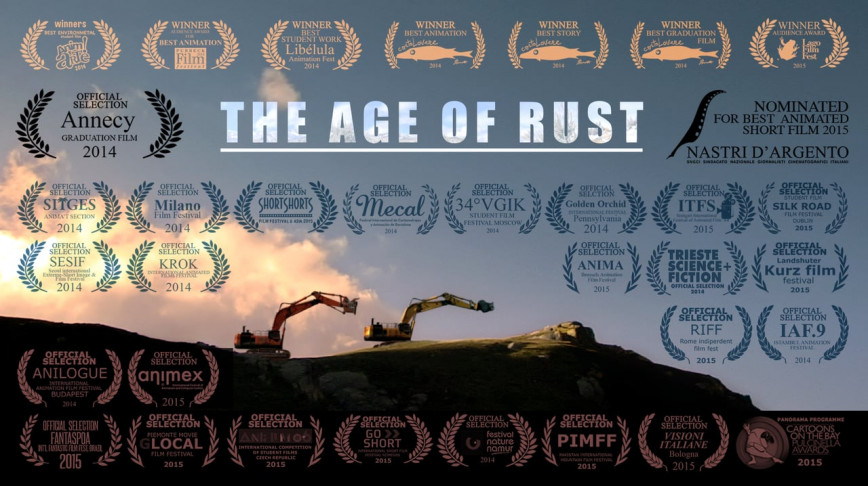
Meet the incredible new species "Petramosaurus Cavator" and discover its impact on our planet.
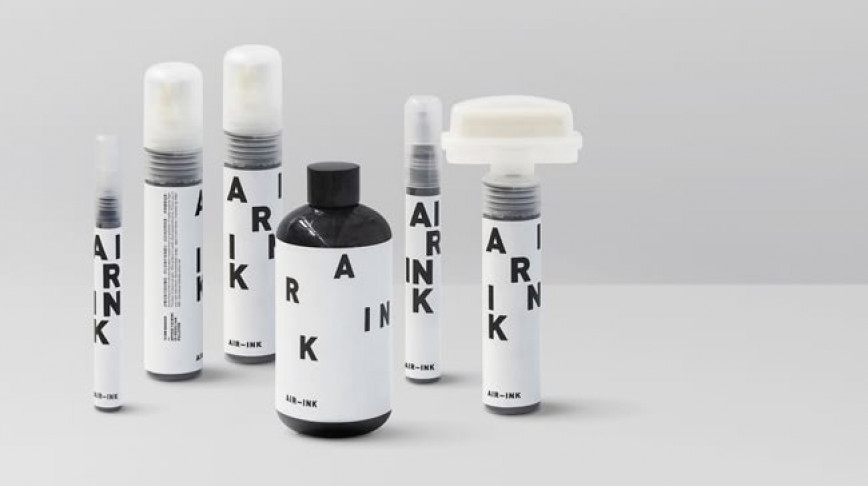
Introducing world's first ink completely made from air pollution.
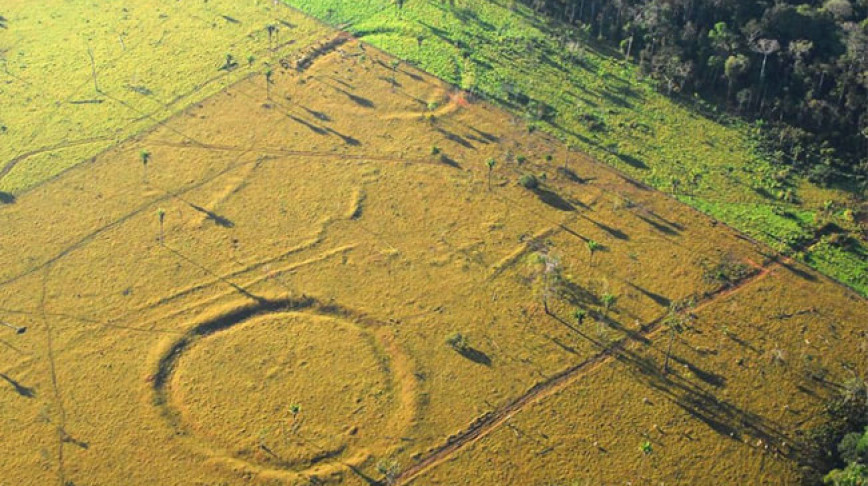
The Amazonian rainforest was already transformed over two thousand years ago by people who built hundreds of large, mysterious earthworks.
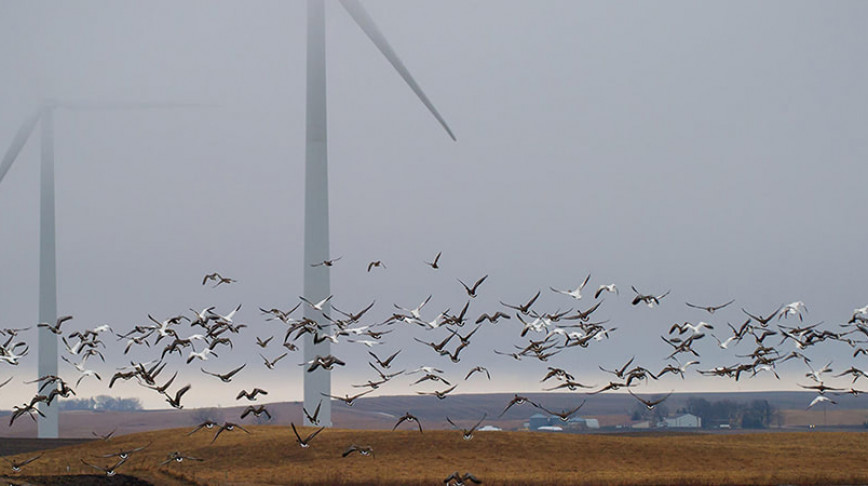
A wind farm in Scotland is on hold because of its lethal killing power towards seabirds.
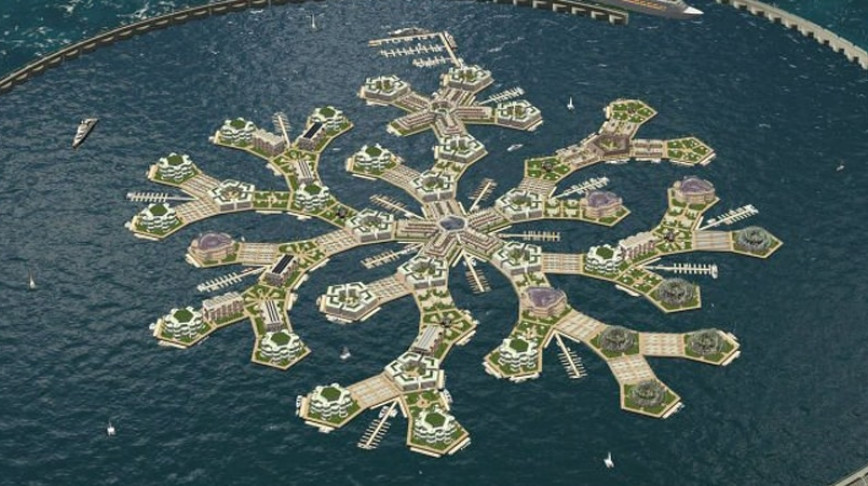
In effort of protecting and prospering their country, the Polynesian government has signed an agreement to realize the world’s first floating city.
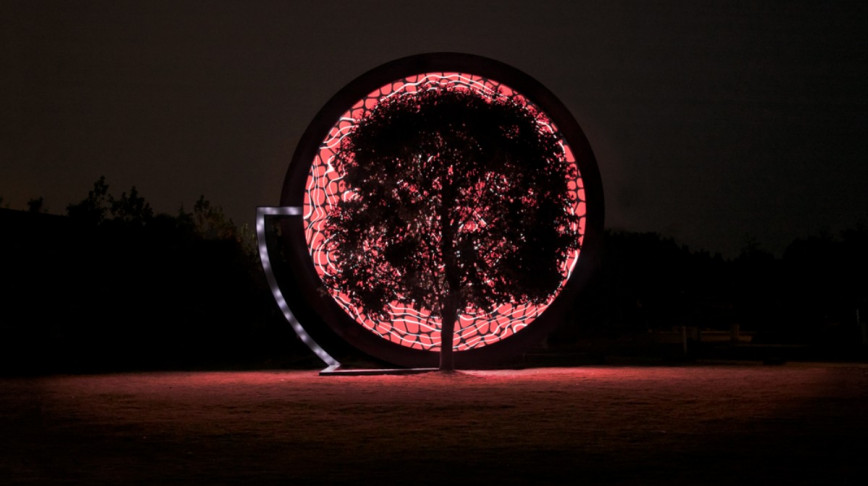
In our ongoing battle against climate change, it's hard to transcend from our human position and ‘think’ like nature. Given, nature doesn't think the way humans do, but it does …
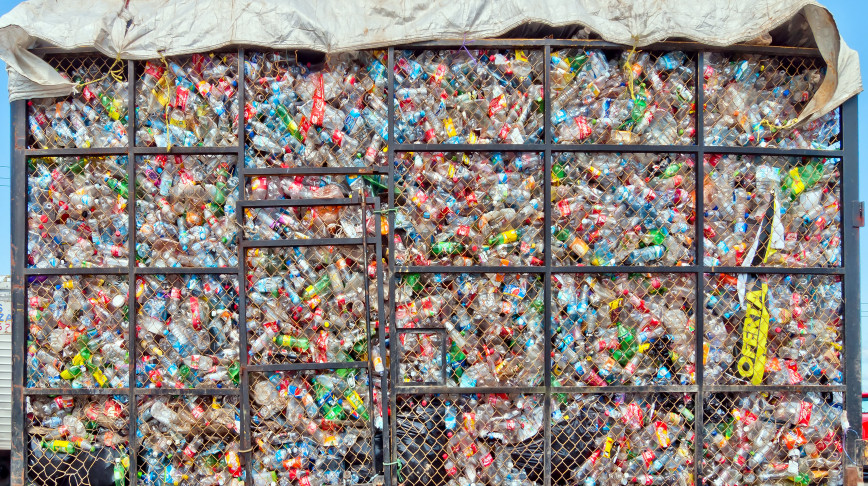
We need to change the way we power our daily lives. Burning fossil fuels is the primary cause of climate change, yet this is still our main source of energy. Much of this energy …
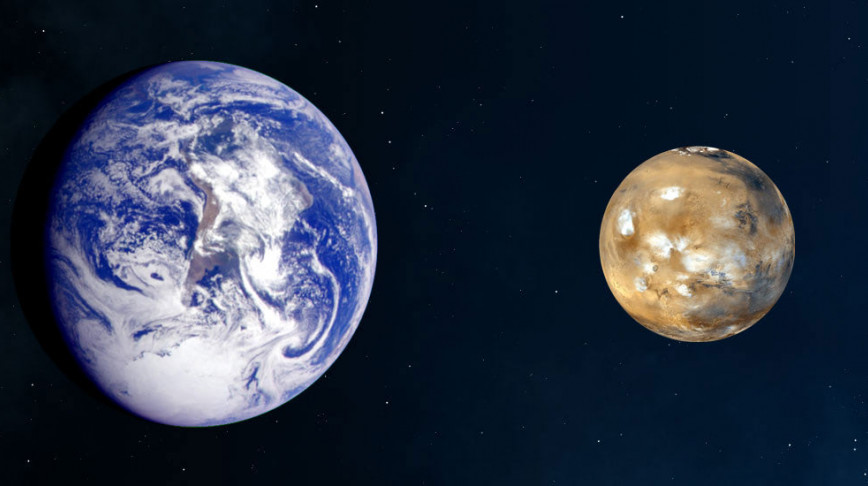
A respected astrobiologist argues that a radical new process called geoengineering might be the only way to save us from climate change.
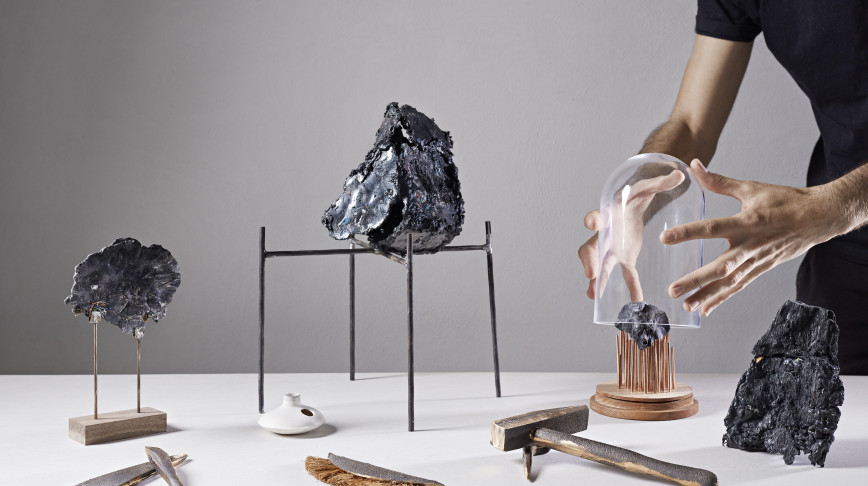
We sat down with Shahar Livne, an Israeli-born designer who graduated from the Design Academy in Eindhoven to talk about her vision on the future of plastics.
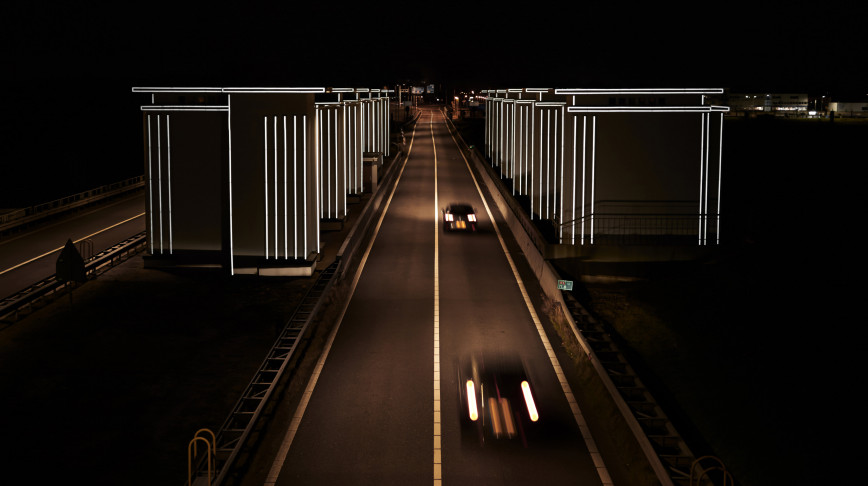
If you are in The Netherlands you can explore the latest art project by Studio Roosegaarde and discover the iconic, yet historical value of the Closing Dike.
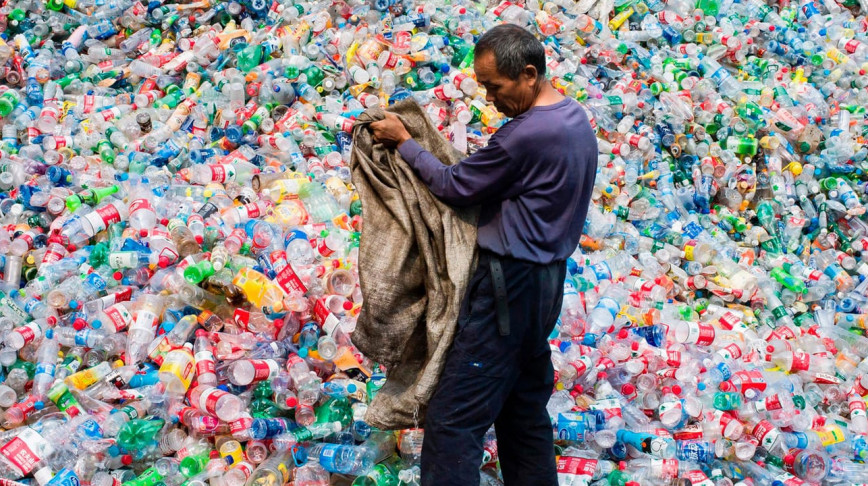
Scientists have created a mutant enzyme that breaks down plastic drinks bottles – by accident. The breakthrough could help solve the global plastic pollution crisis by enabling …
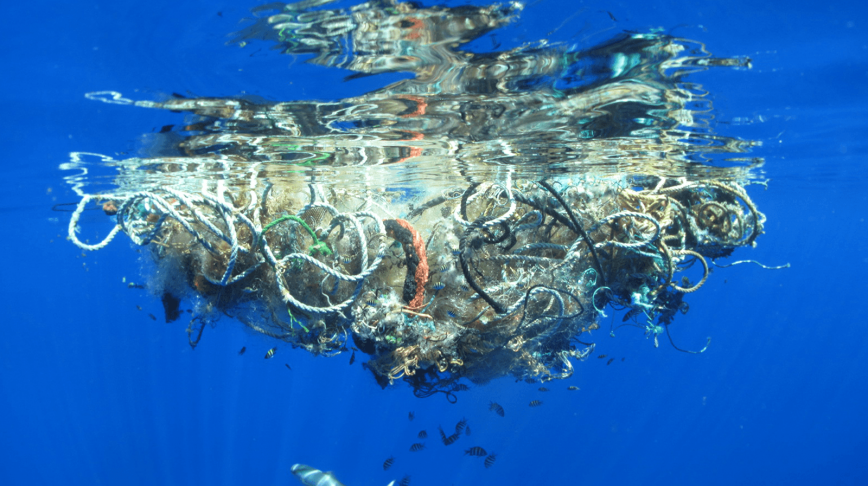
Mon dieu! The swirling pile of trash in the Pacific Ocean is growing at an exponential rate. A recent study has estimated that the mass of the garbage island is four to sixteen …
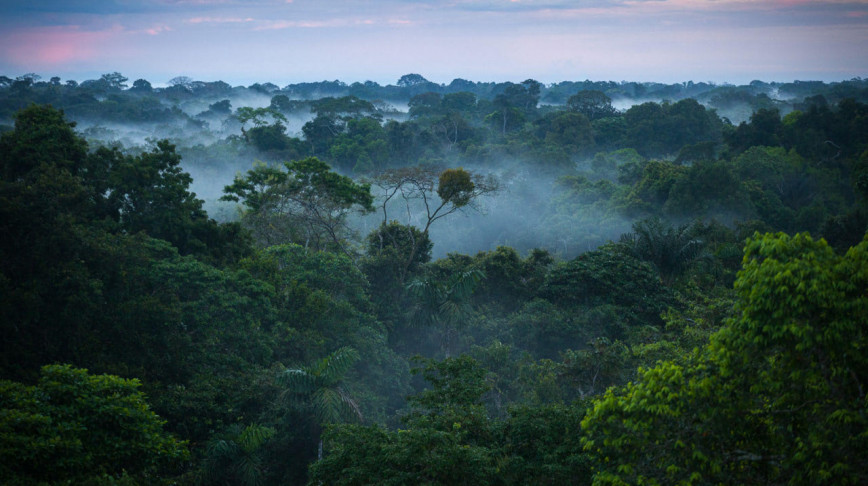
Five people suspected of illegal gold mining in Peru are in custody after indigenous community members used a system called ForestLink to alert authorities to the activity. …
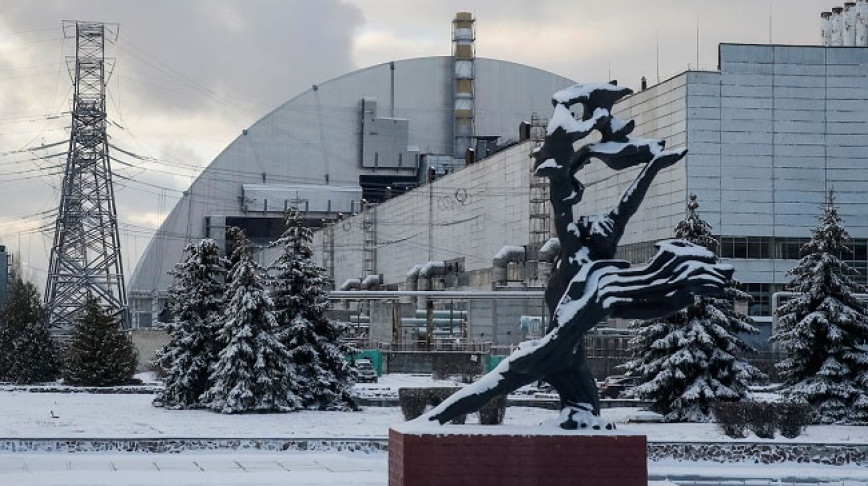
Chernobyl is famous as the site of the worst nuclear power accidents in history. The 1986 disaster has come to represent the perils of nuclear energy, much as Hiroshima represents …
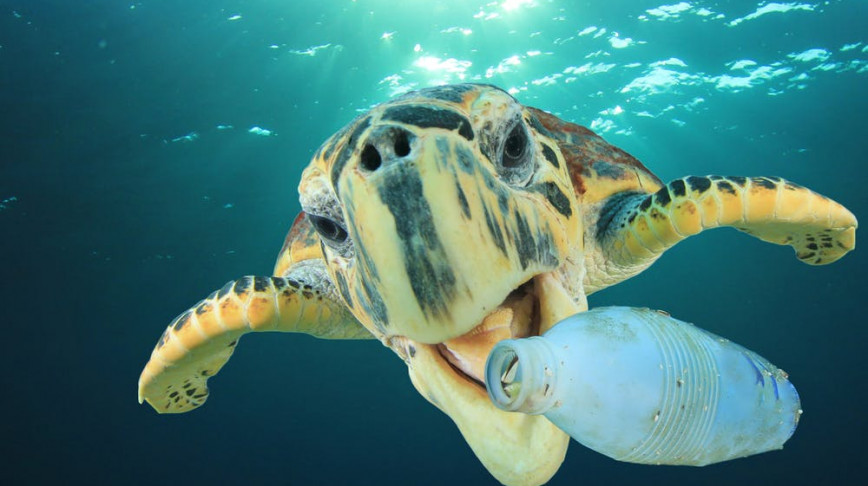
As you read this, a strange object that looks like a 2,000-foot floating pool noodle is drifting slowly through the central north Pacific Ocean. This object is designed to solve …
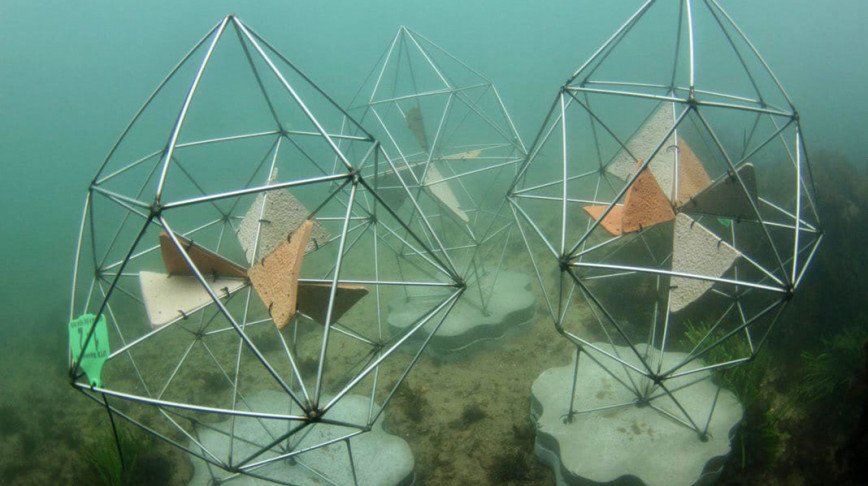
Earth’s oceans have seen better days. They’re inundated with plastic waste, both whole single-use plastics and tons of plastic microparticles that find their way back into our …
Today is World Animal Day , a day to put the spotlight on man's best friends in order to improve their welfare standards around the globe. At Next Nature HQ, we honor this day by …
Look around you and try to find the most natural thing in the room you are in now. It is you. But for how long? Welcome to the wonderful world of bio design ; a world full of …

Meet Pirjo Kääriäinen, professor of design driven fibre innovation at Aalto University, Finland. Kääriäinen founded CHEMARTS —a collaborative program at the university that brings …
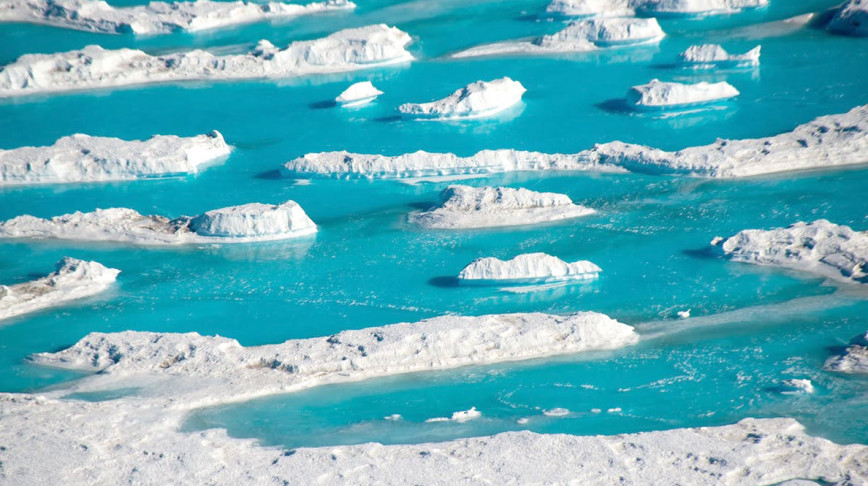
During the Antarctic summer, thousands of mesmerising blue lakes form around the edges of the continent’s ice sheet, as warmer temperatures cause snow and ice to melt and collect …
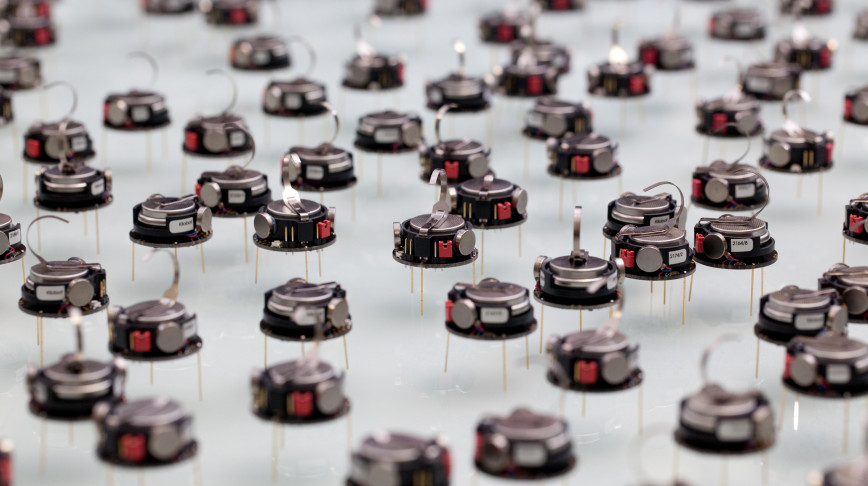
From flocks of birds to fish schools in the sea, or towering termite mounds , many social groups in nature exist together to survive and thrive. This cooperative behaviour can be …
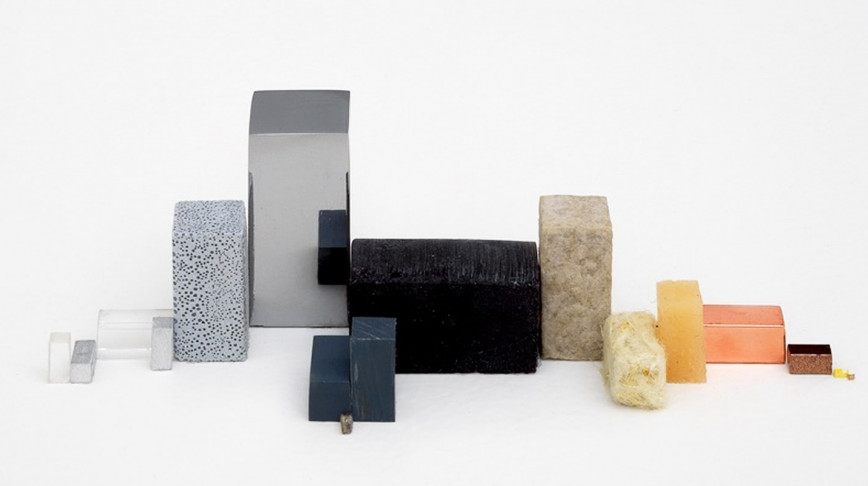
In science fiction and popular science, 2030 is often suggested as the year in which our planet will run out of oil. Similarly, 2100 will be the year that, according to …
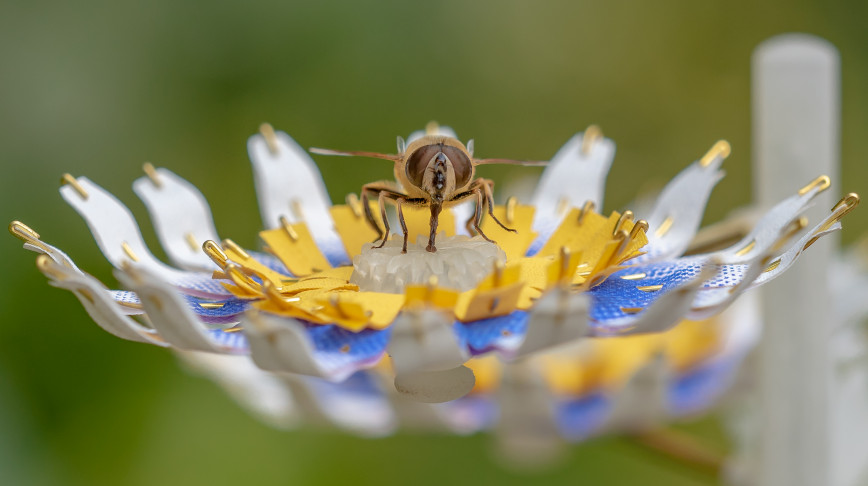
Matilde Boelhouwer is a designer whose work speculates between art, design, science, biology and food. Matilde shapes this obligation into a studio which mainly focuses on the …
With great pleasure we announce our plans for 2021-2024: ‘Hello, Superorganism’ . Our human presence has a huge impact on the planet; plastic in the oceans, climate change, mass …
James Lovelock (1919) has lived on Earth for over a century. You may find that long, but it is short for himself. He thinks big and from a long-term awareness. At the age of …
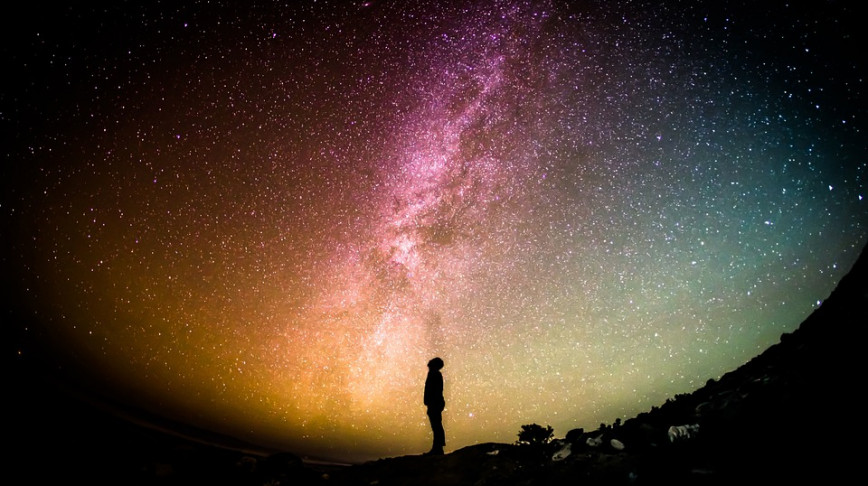
'Big History' is a multidisciplinary study that seeks to put the human story into the context of a 13.8 billion-year story from the Big Bang to now.
In 1953, a Harvard psychologist thought he discovered pleasure – accidentally – within the cranium of a rat. With an electrode inserted into a specific area of its brain, the rat …
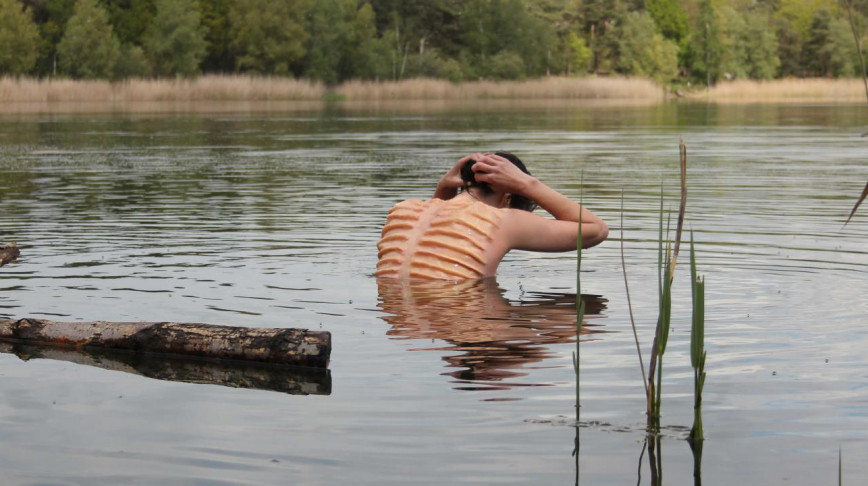
The human world often sees itself as separate from the rest of the natural world. Because we have deemed ourselves, ironically, as higher functioning beings over all others on …
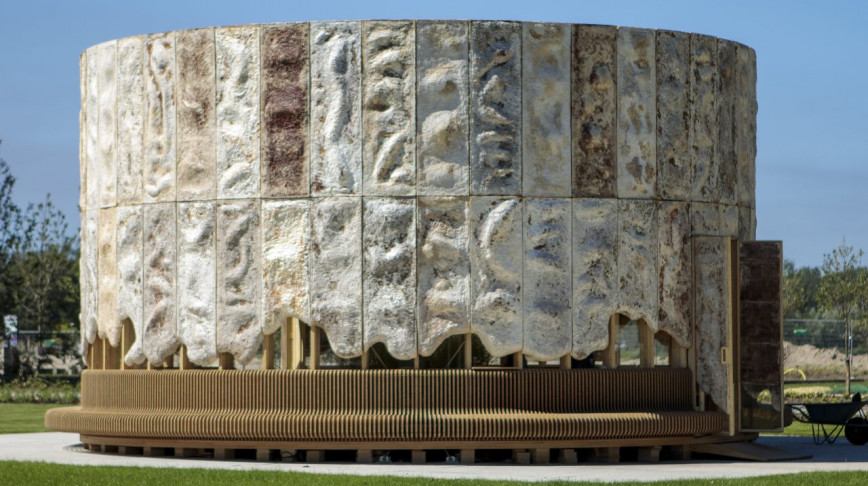
This story is part of Next Generation , a series in which we give young makers a platform to showcase their work. Your work here? Get in touch and plot your …
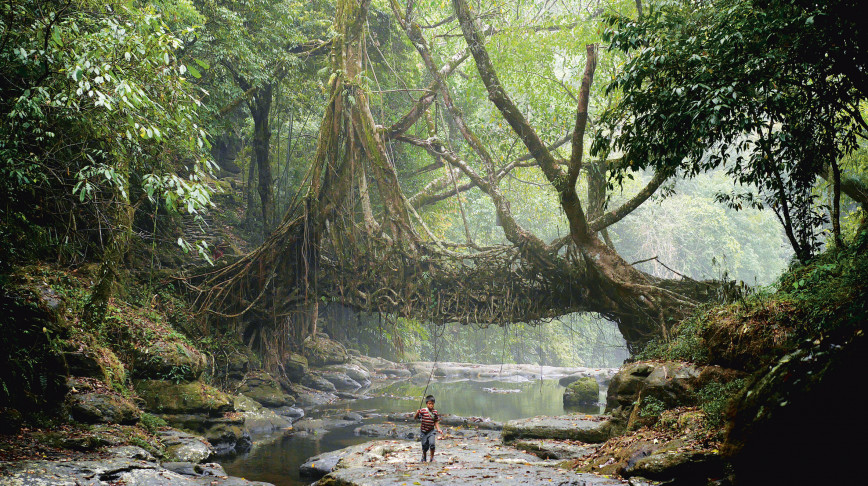
In conversation with architect Julia Watson, a leading expert on Indigenous technologies and author of 'Lo-TEK, Design by Radical Indigenism'.
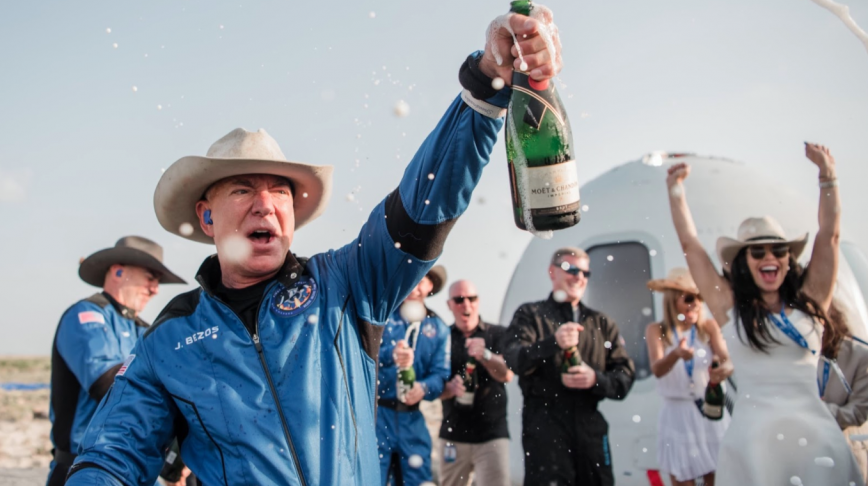
When Earth goes south, cowboys go all the way up. The Space Rush of 2020s has something to do with settler colonialism.