Plastic Planet
“Everybody’s plastic, but I love plastic. I want to be plastic.” Andy Warhol
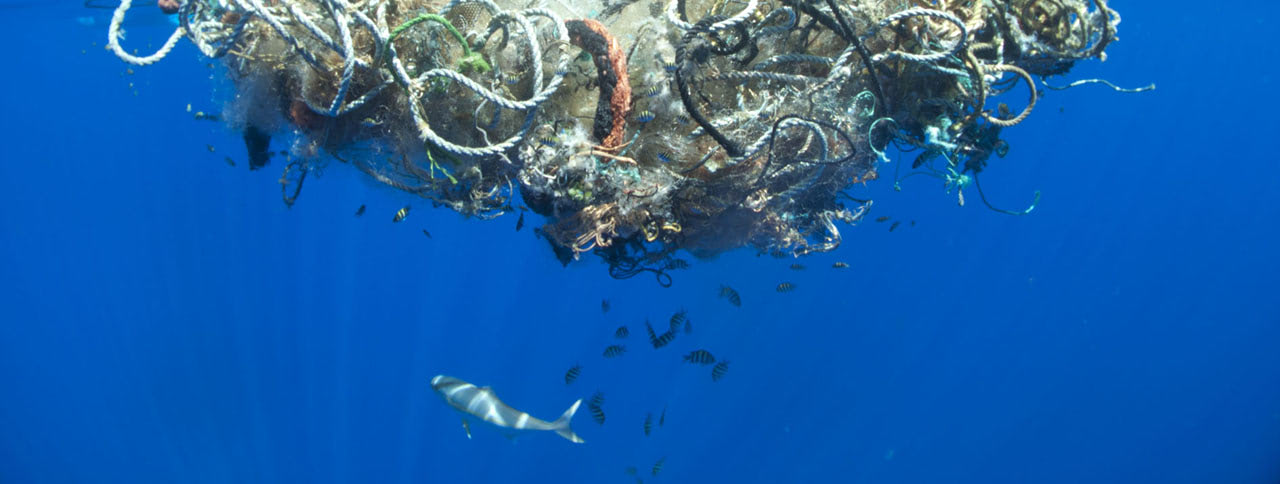
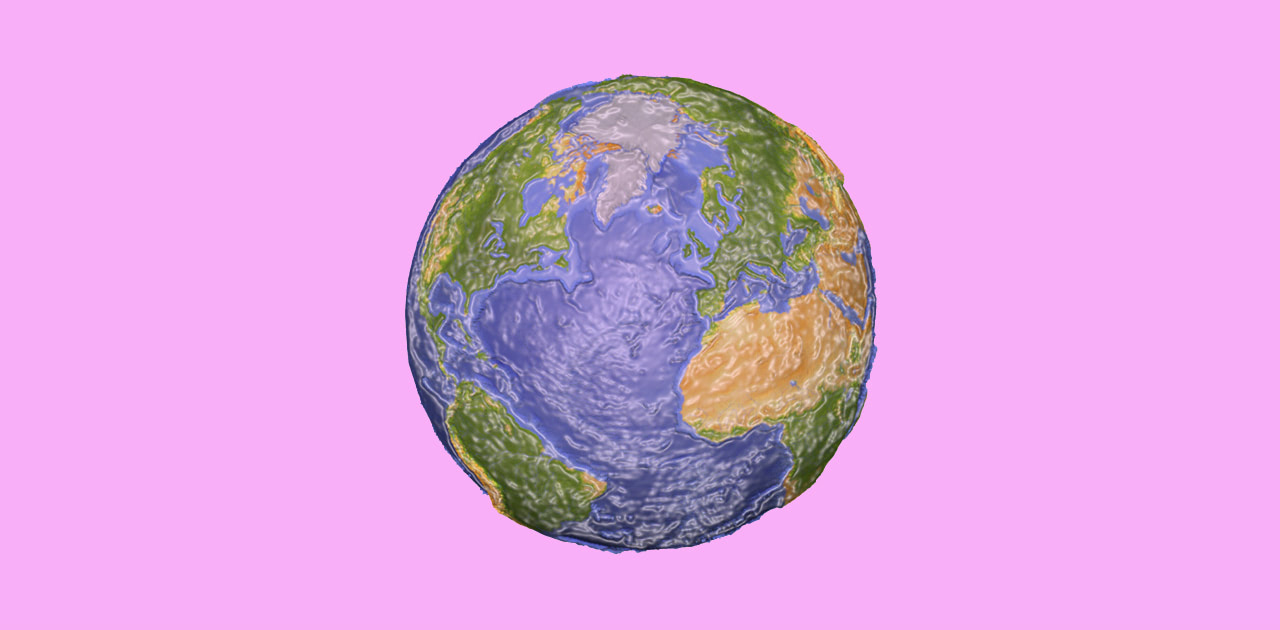
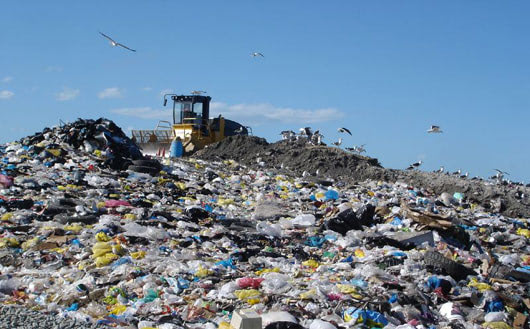
The United States throws out 25 billion plastic water bottles each year; a ‘patch’ of plastic garbage twice the size of Texas now swirls in the center of the Pacific Ocean. From its invention in 1907, plastic and plastic-derived chemicals have worked their way into the rungs of every food chain on Earth.
Plastic might be the newest nutrient in the planet’s ecosystems, but so far, nature has yet to find a use for it. The only sensible way to think of plastic is as a raw Next Nature material, waiting for its balancing counterpart to evolve. We only have time: the average plastic bag will linger for your great grandchildren to clean up 1,000 years from now.
Contents
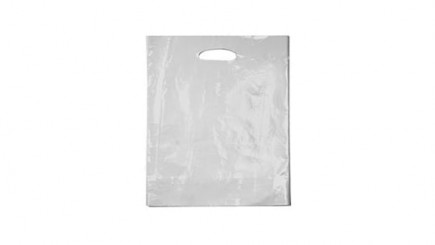
Fake plastic bags – made from real leather
Fakeness is traditionally associated with inferiority; cheap Rolexes that break in two weeks, plastic Christmas trees, leaking silicone breasts, imitation caviar… However, in a society in which everything is a copy of a copy, the …
Plastic flamingos saved from extinction
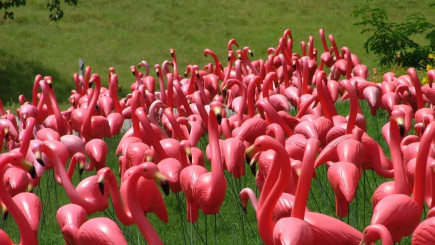
Did you know there are more plastic flamingos in the USA than real ones?
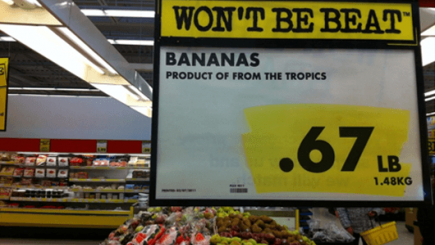
The Banana Gets a Second Skin
We already know that bananas are evidence of intelligent design – by farmers, not by god. All commercial crops have been tweaked by the hand of agriculture, but modern bananas reflect perfectly the human need for …
The Soul is a Plastic Bag
In this stunning short by Ramin Bahrani, the title character spends a lifetime (or more) on a quest for a creator not even aware of his existence.
Plastic Planet
We tend to think of plastic as a cheap, inferior and ugly material used to make children’s toys, garden furniture and throwaway bottles. But as an experiment, imagine for a moment a world in which plastic was extremely rare, like gold or platinum, and plastic objects were devastatingly expensive to produce. One would encounter plastic objects only at special occasions; one would see and touch very few plastic objects throughout one’s lifetime. I know it’s a challenge, but try to imagine, for the sake of our experiment, that plastic was scarce, available only to the happy few, and the masses lived in a world of wood, pottery and metals. Ready?
Recycled Island
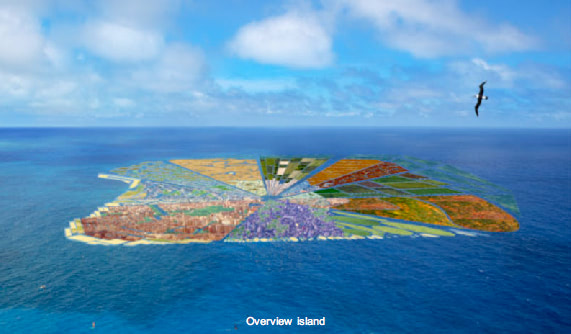
Recycled island is a research project on the potential of realizing a habitable floating island in the Pacific Ocean made from all the plastic waste that is momentarily floating around in the ocean.
The idea is as simple as it is ambitious: recycle the great pacific garbage patch – a concentration of plastic litter in the central North Pacific about the size of France – on the spot and turn it into a floating island at the size of Hawai.
Although the project is still highly speculative the people of WHIM architecturedeserve kudos for their nextnatural view on plastic as a basic material in the Earths ecosystem that can be mined and used for better purposes than polluting birds.
We are keen on how the project will develop further. In cause it turns out to be too difficult we can always return our focus on designing microbes that eat plastic.
Plastic Birds
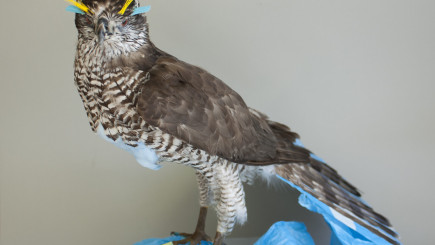
Bird spotting is not a typical activity for us next nature explorers, yet occasionally we bump into some birds worth mentioning.
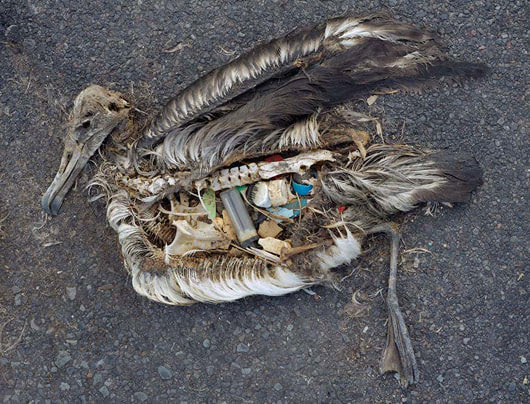
Undoubtedly these ‘plastic’ birds spotted by photographer Chris Jordan are the most macabre thus far. One wonders what Darwin would have thought of these Albatross babies fed bellies-full of plastic by their parents, who soar out over the vast polluted ocean collecting what looks to them like food to bring back to their young. According to the photographer thousands of chicks a year, kick the bucket from starvation, toxicity, and choking from their diet of human trash.
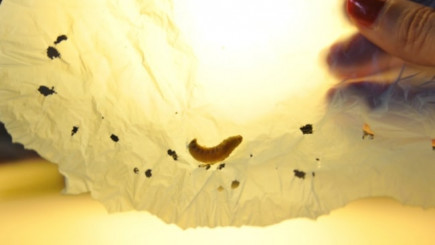
Designing Bugs That Eat Plastic
It is a well known secret that plastic hardly breaks down and almost all of the plastic ever made still floats around somewhere. With the great pacific garbage patch now twice the size of Texas and over 500 billion plastic bags produced a year – which take about a 1000 years to decompose – plastic is well on its way of becoming a basic material in the Earth’s ecosystem.
Earlier, we’ve discussed some of the dramatic effects of this material and suggested how a future microbe able to digest plastic could thrive on the vast amount of plastic ‘food’ available in the biosphere. It might take a million years, however, for a plastic-eating microbe to evolve.
WHY WAIT FOR EVOLUTION?
But why wait for evolution? 16-year old high school student prodigy Daniel Burd …
Oil Diet: Recipes for Disaster
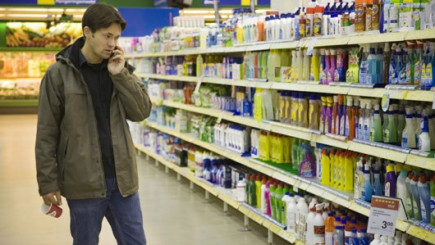
Do you know how much oil you use per day? Neither did director John Webster. In 2005 he decided to make a documentary about oil from his own families perspective. How would it be to live a life without fossile-based products? John put a ban on things packaged in plastic like food, makeup, shampoo, toothpaste and kids’ toys in order to reduce their carbon footprint. “Recipes for disaster” (2008) is the result of a one year oil-detox.
From the director’s statement:
“(…) …
Are Mushrooms the New Plastic?
Mushroom based plastics? Designer Eben Bayer must have eaten too much of the wondrous chanterelles perhaps? No seriously, the man is turning his vision into a reality with an utterly–innovative–fungus–grown–plastics–packaging–material.
Welcome in the 21th century folks! Yet we couldn’t help noticing that Eben in his TED talk presents a very traditional, static idea of nature. Amazing that a guy who grows plastics from mushrooms gives a talk so deprived of next nature thinking (rather than seeing nature as static, we should perceive it as a dynamic force that changes along with us).
Hence, we can’t help but wonder what Eben thinks of the bugs that eat plastic – rest a sure, we applaud him nonetheless for his innovative mushroom material.
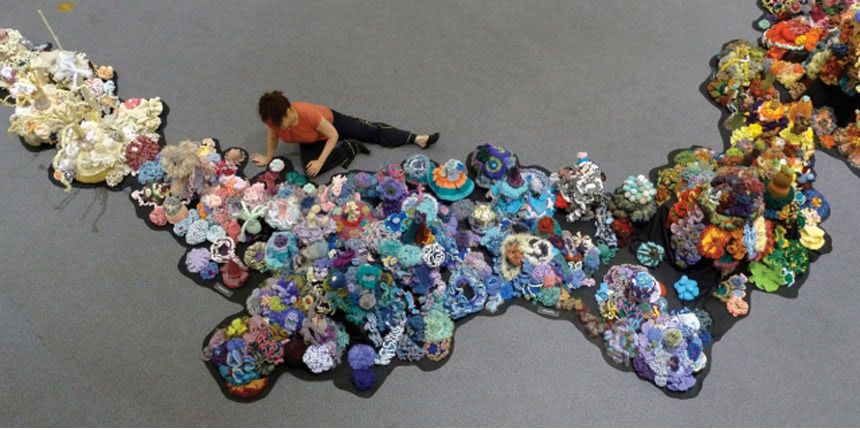
Reef Crocheted from Plastic Bags
Plastic is a new material in the Earths ecosystem
I gathered this hand full of tiny pieces of plastic on less than one square meter of beach in Greece (map). Spotted with the Next Nature Spotter iPhone app.
Composting Bottle
Don’t you just love that vanishing bioplastic bottle! It is our peculiar object of the week.