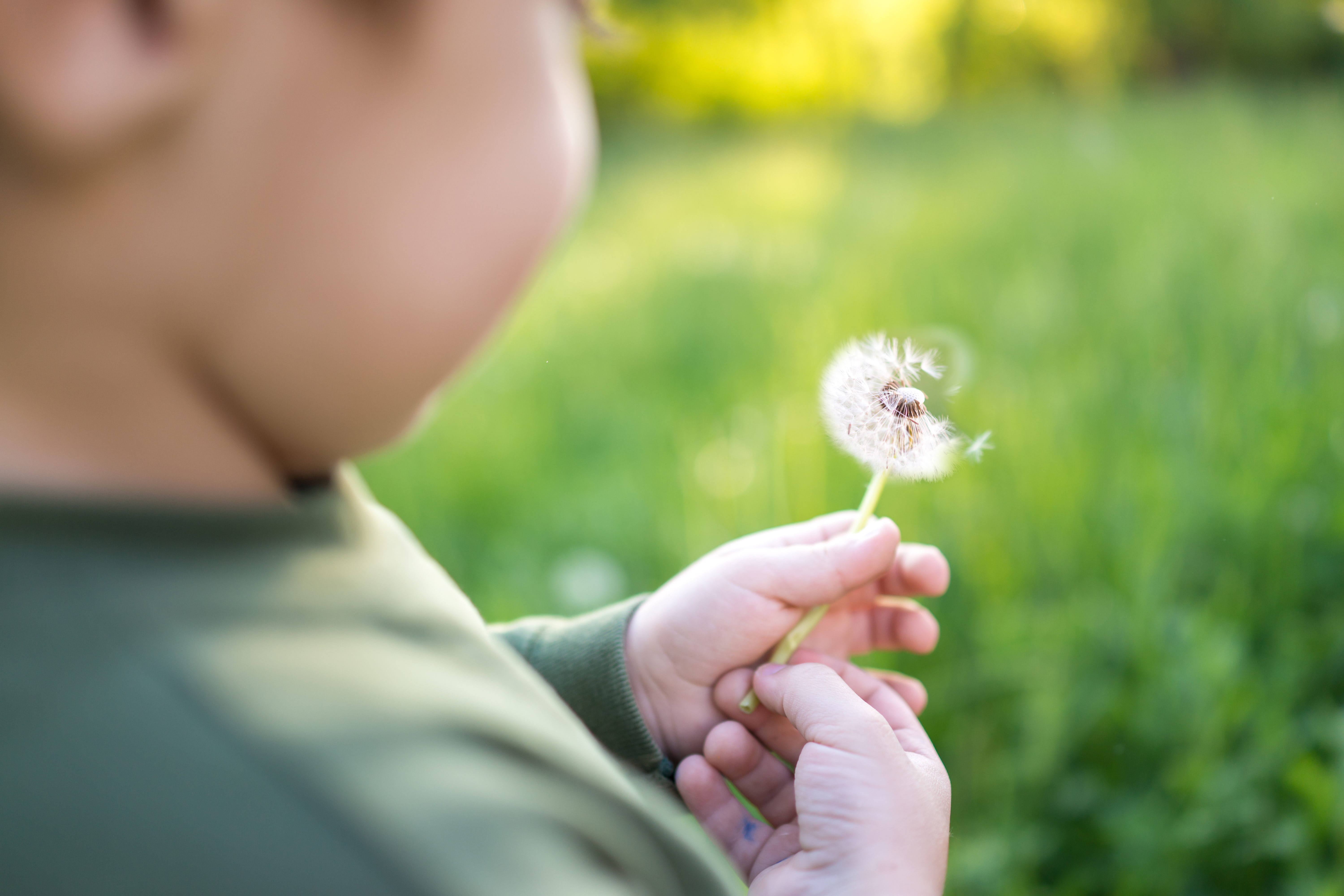
To make way for modern tech terms such as BlackBerry, blog, voicemail and broadband, the latest edition of the Oxford Junior Dictionary has opted to drop terms pertaining to old nature. No longer can a child check this dictionary and learn more about the blackberry, dandelion, acorn, heron, otter, magpie, sycamore, or willow.
According to Vineeta Gupta, who heads children's dictionaries at Oxford University Press, changes in the world are responsible for changes in the book. "When you look back at older versions of dictionaries, there were lots of examples of flowers for instance," she said. "That was because many children lived in semi-rural environments and saw the seasons. Nowadays, the environment has changed."
The 10,000 words and phrases in the junior dictionary were selected using several criteria, including how often words would be used by young children.
Words taken out:
Coronation, duchess, duke, emperor, empire, monarch, decade, carol, cracker, holly, ivy, mistletoe, dwarf, elf, goblin, abbey, aisle, altar, bishop, chapel, christen, disciple, minister, monastery, monk, nun, nunnery, parish, pew, psalm, pulpit, saint, sin, devil, vicar.
Adder, ass, beaver, boar, budgerigar, bullock, cheetah, colt, corgi, cygnet, doe, drake, ferret, gerbil, goldfish, guinea pig, hamster, heron, herring, kingfisher, lark, leopard, lobster, magpie, minnow, mussel, newt, otter, ox, oyster, panther, pelican, piglet, plaice, poodle, porcupine, porpoise, raven, spaniel, starling, stoat, stork, terrapin, thrush, weasel, wren.
Acorn, allotment, almond, apricot, ash, bacon, beech, beetroot, blackberry, blacksmith, bloom, bluebell, bramble, bran, bray, bridle, brook, buttercup, canary, canter, carnation, catkin, cauliflower, chestnut, clover, conker, county, cowslip, crocus, dandelion, diesel, fern, fungus, gooseberry, gorse, hazel, hazelnut, heather, holly, horse chestnut, ivy, lavender, leek, liquorice, manger, marzipan, melon, minnow, mint, nectar, nectarine, oats, pansy, parsnip, pasture, poppy, porridge, poultry, primrose, prune, radish, rhubarb, sheaf, spinach, sycamore, tulip, turnip, vine, violet, walnut, willow
Words put in:
Blog, broadband, MP3 player, voicemail, attachment, database, export, chatroom, bullet point, cut and paste, analogue.
Celebrity, tolerant, vandalism, negotiate, interdependent, creep, citizenship, childhood, conflict, common sense, debate, EU, drought, brainy, boisterous, cautionary tale, bilingual, bungee jumping, committee, compulsory, cope, democratic, allergic, biodegradable, emotion, dyslexic, donate, endangered, Euro.
Apparatus, food chain, incisor, square number, trapezium, alliteration, colloquial, idiom, curriculum, classify, chronological, block graph.
Via EcoChildPlay. Image: Shutterstock.
Feral Boy
“That was because many children lived in semi-rural environments and saw the seasons. Nowadays, the environment has changed.” Excuse me, they are taking out DANDELION? That's just about the only flower you can GUARANTEE to see in the city!
Posted on
Sabrina
What are some GOOD nature words?
Posted on
Sebastian Michaelis
Right. And how many children are going to get around to using the words "trapezium", "interdependent", and "colloquial"? These are words more suited to CNN than a child's dictionary.
Posted on
Dawn Kirk
I've just posted a Musing at my site (http://dawnkirkimaginetheshift.blogspot.com) inspired by the story above. At first I thought what the dictionary has done is horrible. I still don't agree them at all, but this morning I awoke with an epiphany as to how this can awaken us in an even bigger way.
Posted on
Pat
I am horrified. I understand the reasoning, but deleting those words indicates our society does not value nature nor the culture of people over 50. It is not not valuing that I object to.
Posted on
Stewie
Isn't one of the reason's for a dictionary's existence is to define words that one does not know? I pity the child, or anyone , who can't tell a tulip from a turnip, and who grows up thinking one word -- flower-- can stand for so many different species.
Posted on
Jezebel
This is a sad, sad day. My kids will never use this dictionary.
Posted on
John R. Houghton
Or maybe the title of the piece should have been "How to make the Word World poorer!" But there again as species disappear and become extinct I suppose our ancestral knowledge should also. Though I cannot image the Chinese letting this happen… What I know is, where I come from is who I am. This lazy destruction, this dumming down of society is part of malaise that will see the disappearance of the Anglo West. Stupid is that stupid does…
Posted on
Uberl3375oR
OH WOW the irony. Old people complaining about technological terms of today replacing old terms of religion and nature in an obsolete dictionary on the INTERNET. If you want your children to be a technolofail go live in the woods and pray like freaks. Nobody uses books today anyway. Just Google it.
Posted on
liz
How pathetic. We should be trying to promote nature so kids can get their faces out of computers. There should be room for all the words DUH. It is the dumbing down of our children and proves the stupidity of the ones who write up the so called dictionary
Posted on
MD
Ah, the land of the free! You have the right to free speech as long as you speak English. What, because someone talked about something an English (meaning: from England) publisher has done to an English dictionary, you suddenly have to act like this is another example of American Anglocentrism? Even if by some effort of convoluted logic this were the case, and this was related to this article (and it is not) many poor countries and many countries considered far more liberal than the US have national languages and far more restrictive language policies. Why are you not pointing them out, then? There are many benefits to having a common language. Every school child should be taught English, because not having the ability to speak English makes you a second class citizen, just as not being able to speak Spanish would make me a second class citizen in a Spanish-speaking country. This would not surprise me one bit. Again, this isn't something you point out. One thing we definitely learned from segregation and Apartheid is that policies that require "separate but equal" services do not work out to be equal. If I went to another country and tried to live there speaking English, it would be considered an example of American arrogance. If a foreigner wants to come to America and speak their language, then for some reason it remains not their arrogance but American arrogance for expecting them to speak English. So basically, if you're American, you're always wrong. To me, anyone who holds that view is pretty arrogant.
Posted on
Anna Funk
I completely disagree with taking out historical terms such as "Coronation, duchess, duke, emperor, empire, monarch, decade, abbey, aisle, altar, bishop, chapel, christen, disciple, minister, monastery, monk, nun, nunnery, parish, pew, psalm, pulpit and saint," since these are all words that are brought up in history classes at a fairly young age. But who uses a printed dictionary anymore? In the next 5 years, kids are all going to have the internet on their smartphones, and will be able to look up these words on http://m-w.com
Posted on
noone
@ Dee You are using dumb technology stuff to voice your opinion, I guess it is not to dumb for you to use after all. "The loving truth of nature and Christianity". I'll say these two things about that comment, Uranium is a natural element found in nature and causes cancer, priests and followers of christianity spent the last 50 years raping children across the world. Loving truth my ass, wake up Dee.
Posted on
dee
This is so sad! Children need to see the loving truth of nature and Christianity - not dumb technology stuff. Whoever dumped nature and Jesus is sick. If they have to add in new stuff, then why don't they add the new and keep the old instead of replacing?
Posted on
lcd
Ah, the land of the free! You have the right to free speech as long as you speak English. --- best regards, Greg
Posted on
TERRY
It doesn’t surprize me. Next it will be god ,jesus, church. All you hear today is about envirment and how animals may go extinct. Well looks like they have help now if we remove them maybe people won’t notice when they are gone. Maybe they could put the word fubar in there if you don’t know what fubar means look it up.
Posted on
Mr. O
Incredulous!! The removal of nature related words only deepens and widens the riff between contemporary man and nature. The words "interdependent" and "common sense" were added to the book and one might wonder why. In spite of the fact that we are biological beings in an active and ongoing interdependent relationship with nature and the natural resources that sustain our lives, it seems that the arbiters of knowledge would rather distract us from this simple truth. Common sense tells us that while our children may consume the fruits and smell the flowers within the realm of technology-- the hardware, software , and information "grown" , it alone will certtainly not feed their bodies and thus sustain t heir lives. The contextual realm that called for the creation of words such as chatroom, blog, mp3 player , database, and bungee jumping does not mean that the environment has "changed" as Ms. Gupta suggests, rather it simply signifies only a very, very small piece of the human experience. Given the implications of the fact that t knowledge is socially distributed, those making decisions regarding the contents of this "book of knowledge" make compulsory that which is important to themselves. Making choices to include words based upon usage by children signifies the pervasiveness of information technology and its self-important , exclusive nature...word by word.
Posted on
Kristy
What kind of world are we teaching our children to accept when we take out nature related words for words such as celebrity and chatroom? It doesn't matter how often they are used - what matters is the importance of the words. Our children are suffering from too much exposure to computers, TV, and video games. Taking out nature related words only increases the gap between children and nature - at a time when they need nature as a special place where they can escape the adult world, explore, and feel free to be who they are. Nature promotes children to use all of thier senses - in a sense becoming AWAKE! It's a shame the people that have influence over such decisions are not more AWAKE themselves...
Posted on
Aubrey
It seems that "ass" is taken out, it describes these thinkers well. Common sense is in, but they don't have it, and creep is put in, which is another term for the people who thought this up. This is another example of how our society is going down the tubes.
Posted on
Stephanie
Fortunately kids have lots of places to look for the words they need, especially if they have an electronic gizmo at hand. A bigger problem is getting them outdoors to find acorns and butternuts, herons and kingfishers.
Posted on
Jo
ridiculous...better buy up all the current copies before they single handedly destroy our kids minds!
Posted on
Demi
this is absurd! there taking away childhood words. what next ?
Posted on
Betty Burge
What poor financial judgement to cut off one end of the dictionary to make room for the new end and thus limit printing costs. What a blow forl education to remove perfectly good words that may broaden a child's understanding, words that may have been new once for another set of words that will go on to be used or not but reflect how language works.
Posted on
nicholaspaul
As long as children only read books written in the last 3 years, they'll be fine. Keep them away from the classics and history books or they just might learn about things that last. I'm pretty sure that there will be herons and duchesses long after the Blackberry and MP3s are outdated.
Posted on
mehmeh
i agree with mister stones additionally the reason they removed these words is because they're no longer in daily life, but you have to ask yourself; was it the words you were familiar with that you needed the definitions of? why would you remove words that are too foreign from a dictionary? also, who lets someone who still has the use for a children's dictionary onto a chatroom without even prior explanation and here's an idea, instead of only teaching tehm the word democratic how about teaching them democracy and republic and oligarchy as well, you know, since its for education and not just brainwashing... great way to teach your kids...
Posted on
David - green thoughts
Hmm, they removed "dandelion" and added "celebrity". Maybe in the next version "Britney Spears" and "Paris Hilton" will be in the dictionary. They might need to remove "sun" and "moon", however.
Posted on
Stones Bytes
Ok. Comparing the ins and outs, it looks all innocent and more and less peaceful word have been kicked out in the benefit of violence, eat, sleep, work, concrete, chipset and market rape. Either it's a reflection of the society, or an attempt to shape it, or both and thus solidify the state, it's... sickening.
Posted on
Koert van Mensvoort
Pew! Reminds me of the shopping tree: https://nextnature.net/?p=2590
Posted on
Arnoud van den Heuvel
I think I found a way to get this one word in again: <img src="https://nextnature.net/research/wp-content/uploads/2009/02/blackberry_shop.jpg" width="530" height="400" alt="blackberry shop"/>
Posted on