A Society of Simulations
Koert van MensvoortAn interviewer once asked Pablo Picasso why he paints such strange pictures instead of painting things the way they are. Picasso asks the man what he means. The man then takes out …
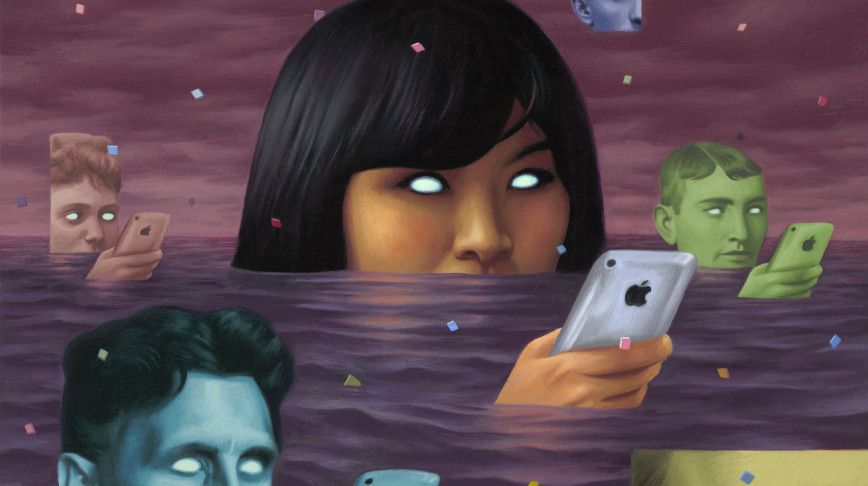
An interviewer once asked Pablo Picasso why he paints such strange pictures instead of painting things the way they are. Picasso asks the man what he means. The man then takes out …
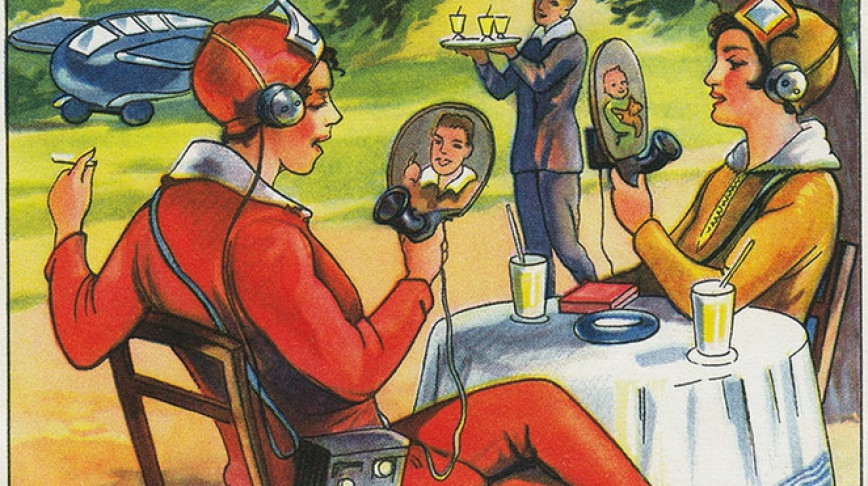
In 1930 Germans envisioned our Society of Simulations.

Image consumption has never been as cool as in this brand new clip by Studio Smack , which was created for the upcoming Graphic Design Festival . The ‘Transparency Suit' …
In this video, Geert Mul uses online photos to tap into the divine presence in image search #powershow http://bit.ly/uk79b0
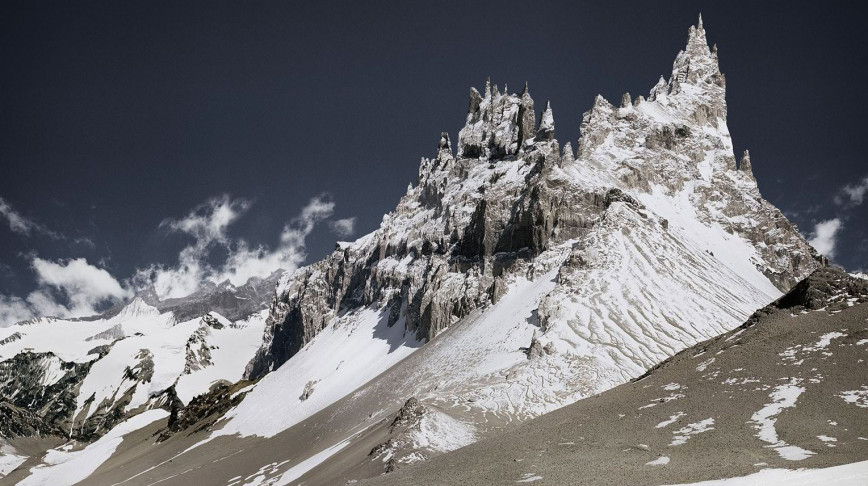
The rock formations in the High Altitude photo series don't exist physically, yet they are very present in our society of simulations . The photos visualize the development of the …
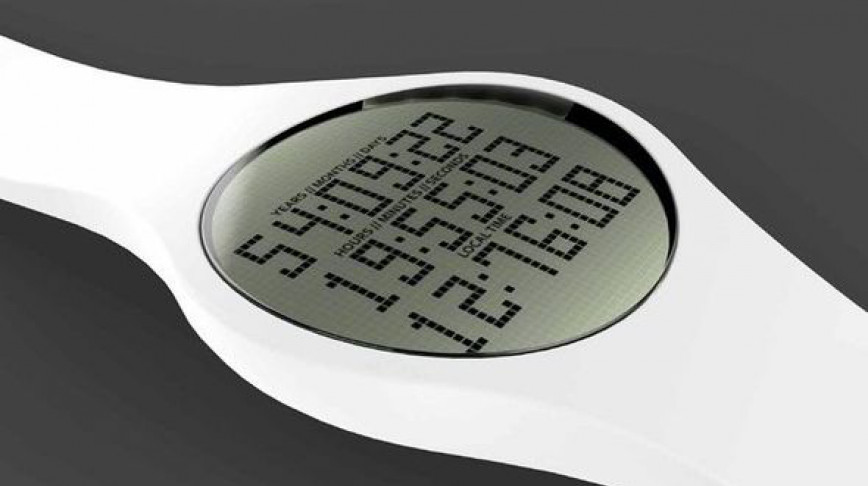
Tikker, the watch that counts down your life, shows the amount of time you are estimated to have left.

Emotionally the avatar has a similar position as ones best friend, despite its "virtual" presence and the often longer lasting relationship with ones best friend.
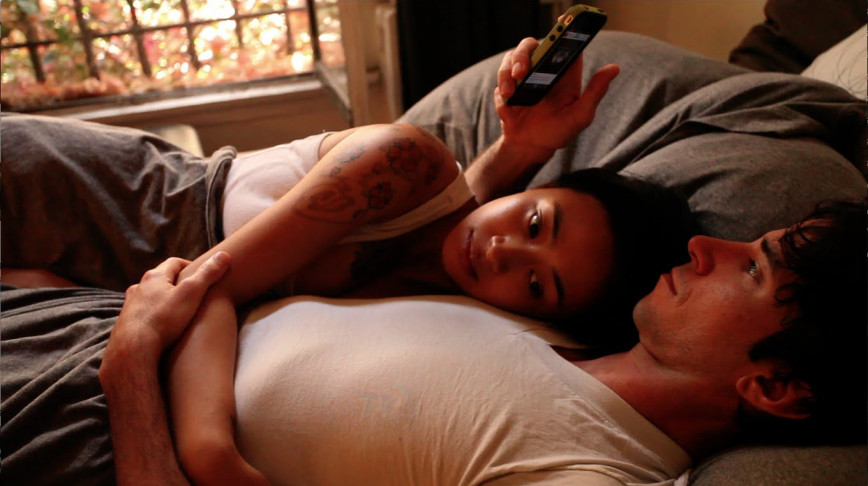
Simple yet elegant short film on a girl that forgot here phone and realizes the impact of our Society of Simulations.
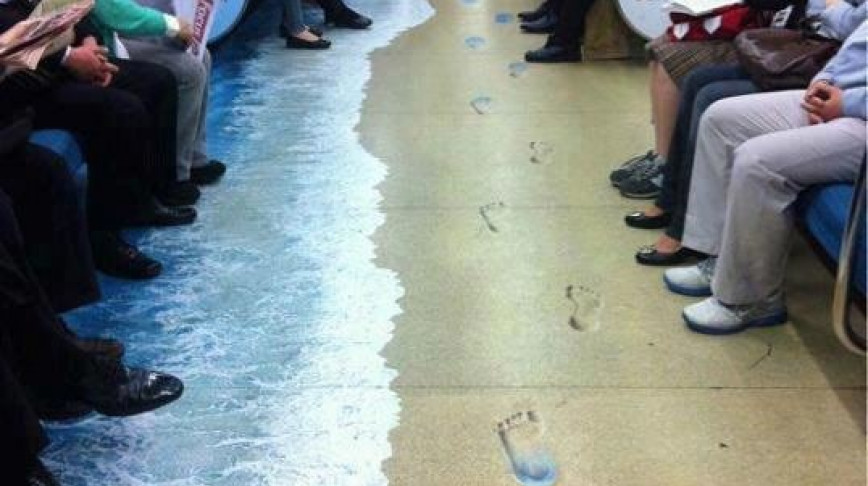
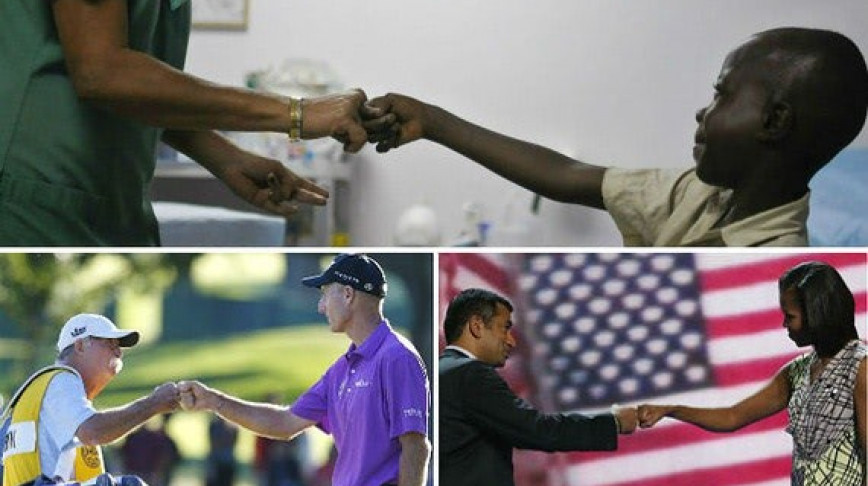
From the handshake to the sanitary, gender-neutral fist bump.
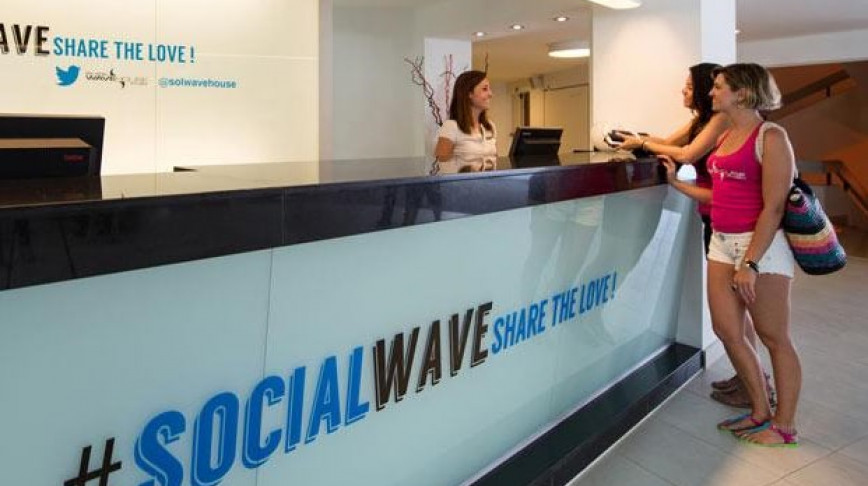
A hotel where all communication is conducted by Twitter hashtag.
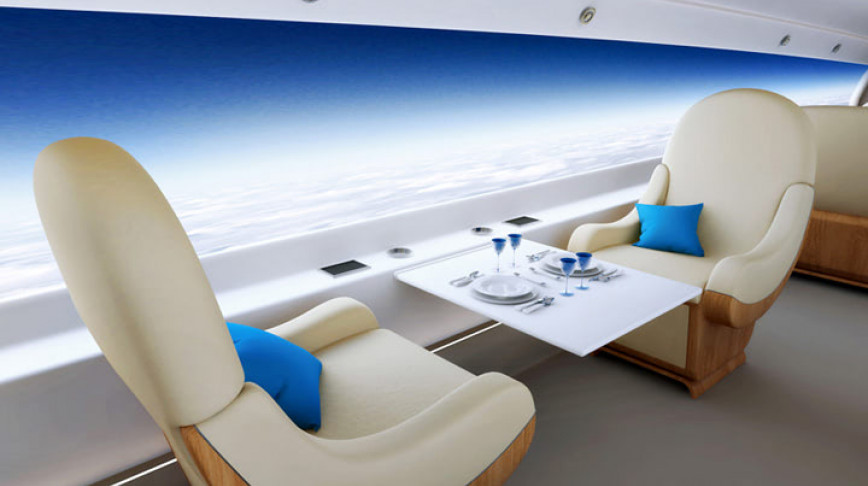
Supersonic jet replaces windows with massive live-streaming screens.
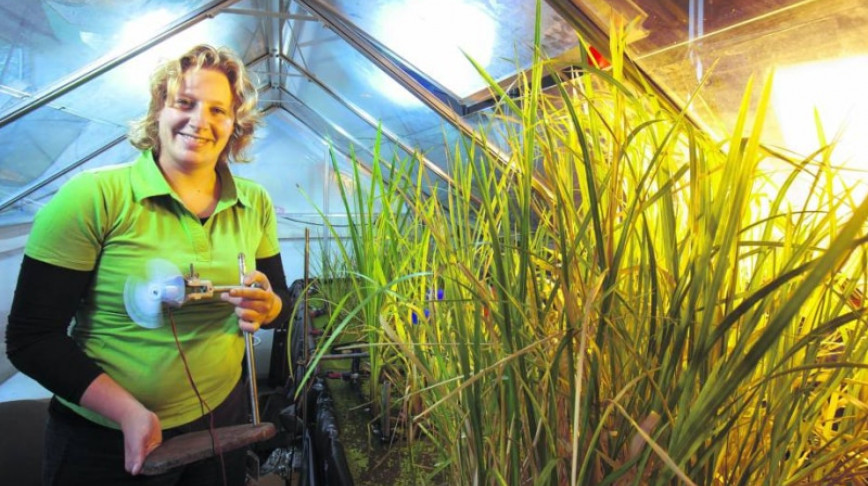
A new technology enables us to produce electricity from living plants at practically every site where plants can grow.
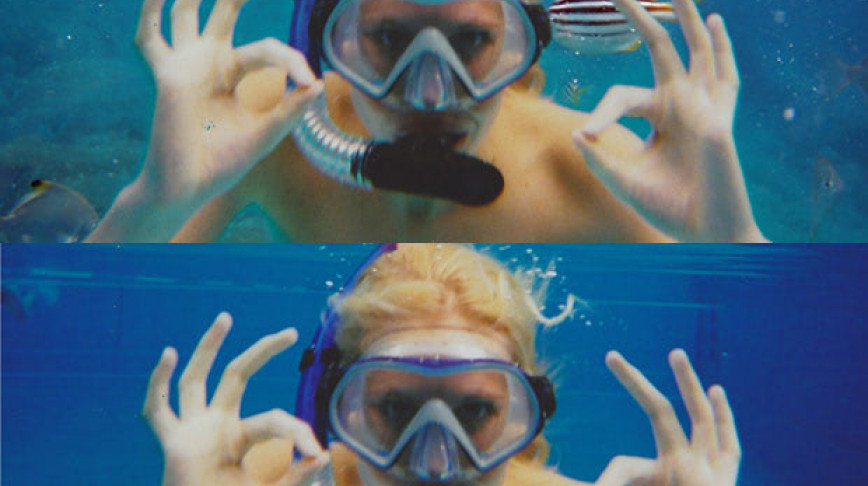
Dutch girl fakes an exotic holiday with the power of Photoshop and Facebook.
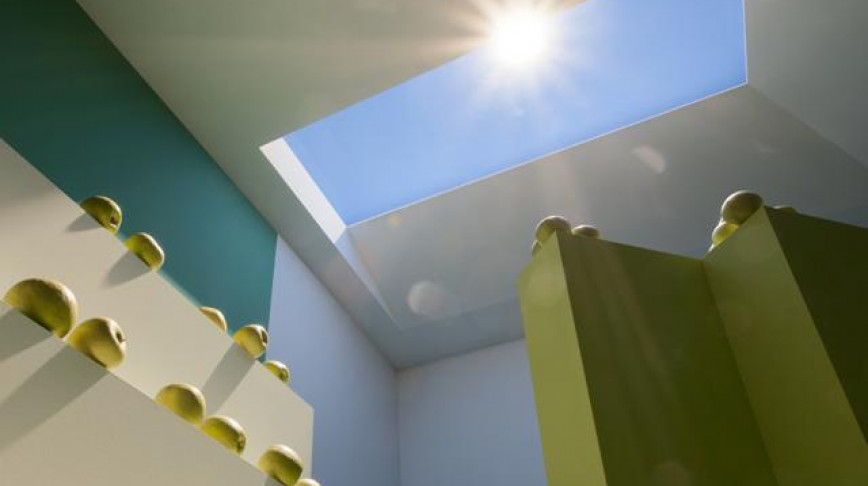
An artificial illumination that is "authentic" enough to replace natural light.
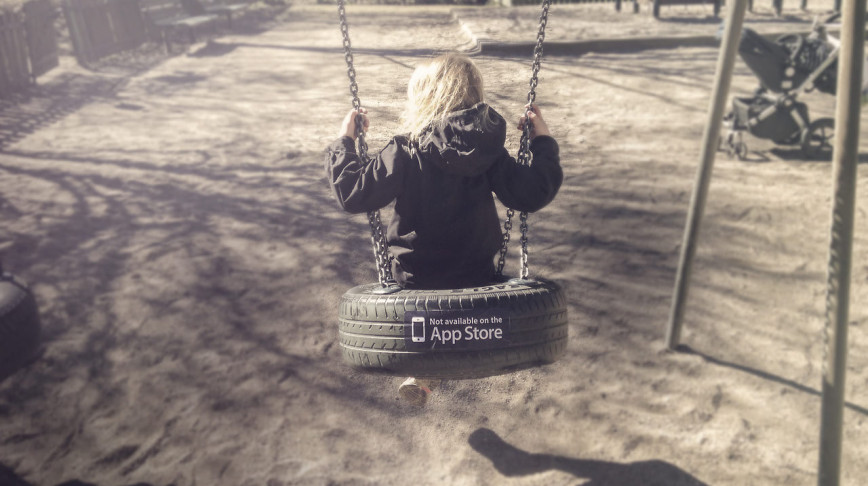
There isn't an App for everything, and we need a sticker that reminds us so.
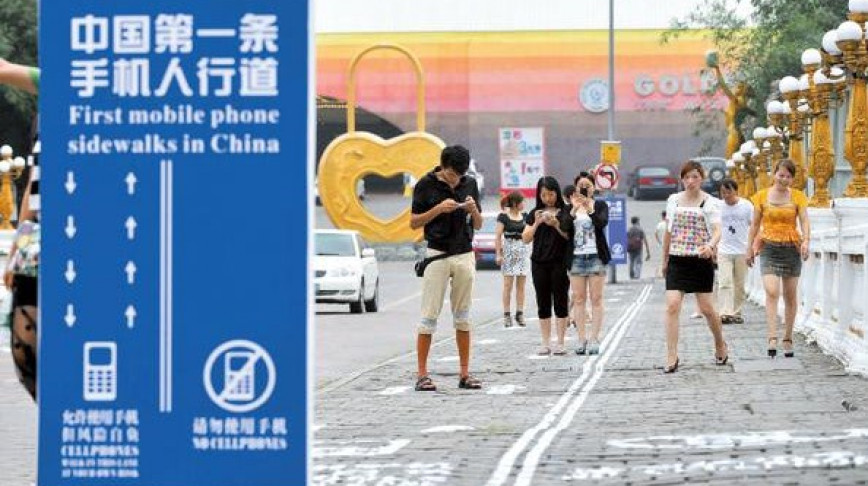
Dividing the sidewalk in two lanes: one for cell phone users and one for non-cell phone users.
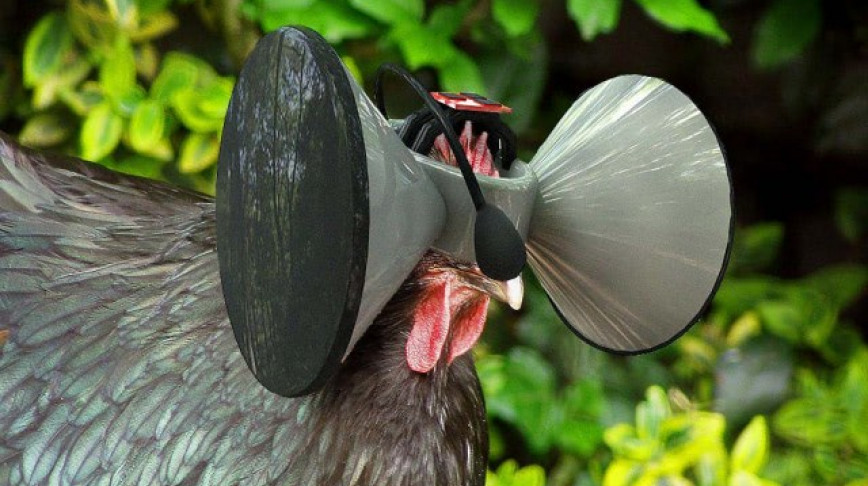
A virtual reality headset could give chickens the freedom to roam without the roaming.
This Sunday next nature maven Koert van Mensvoort is interviewed in what is arguably the finest show on Dutch television: VPRO Tegenlicht.

Nowadays humans suffer from diseases that didn't exist in the past, a trend that will probably continue into the future. A wide range of new disorders, especially related to the …
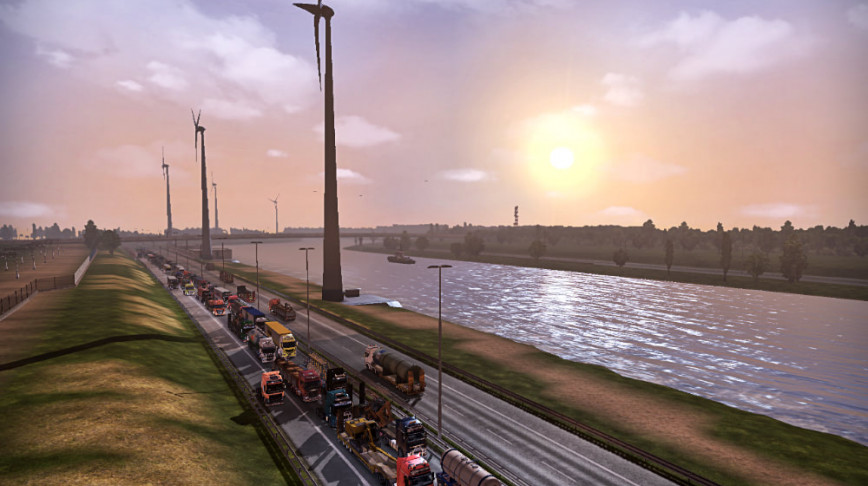
Games are typically played to escape our dull or stressful everyday reality, yet they are also made to become increasingly realistic.
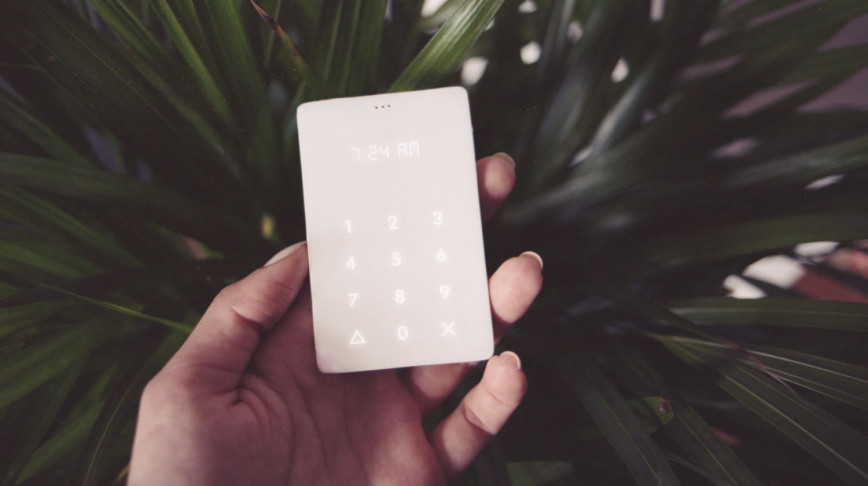
Meet the anti-smartphone. It literally does nothing but make and answer calls.
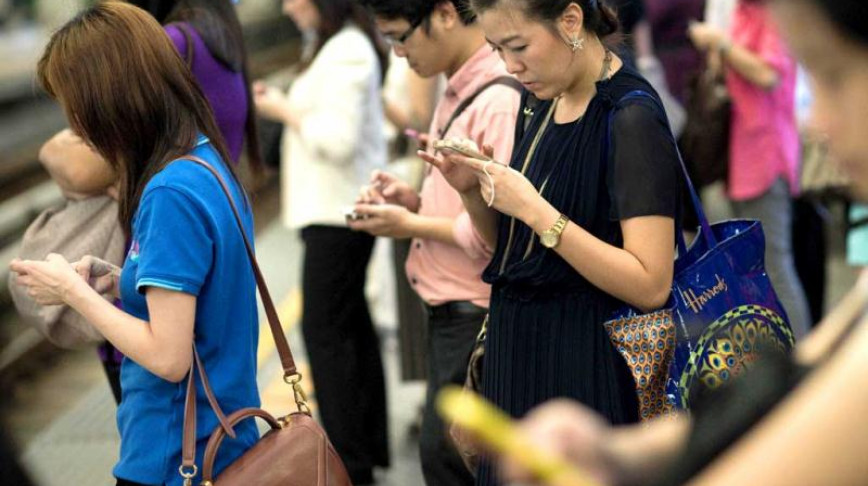
The Bored and Brilliant project asks people to measure their smartphone use take some conscious steps to limit the digital interactions.
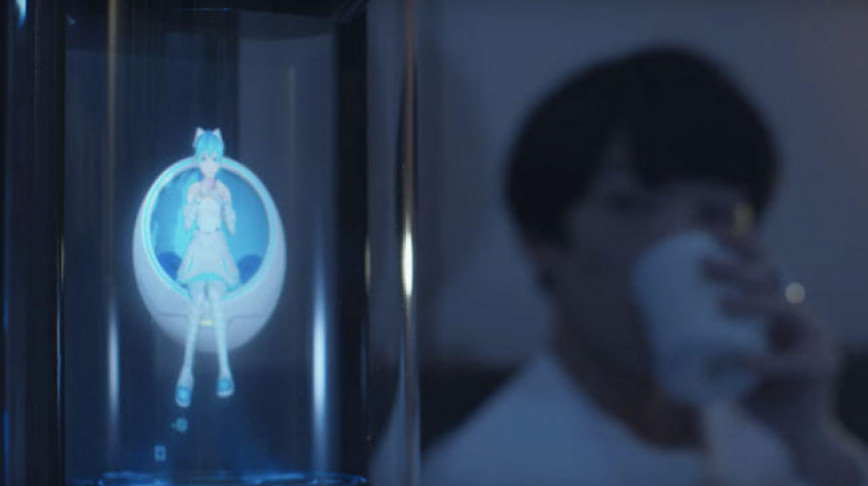
Take a look at this video to get an idea of what life with a virtual anime assistant would look like.
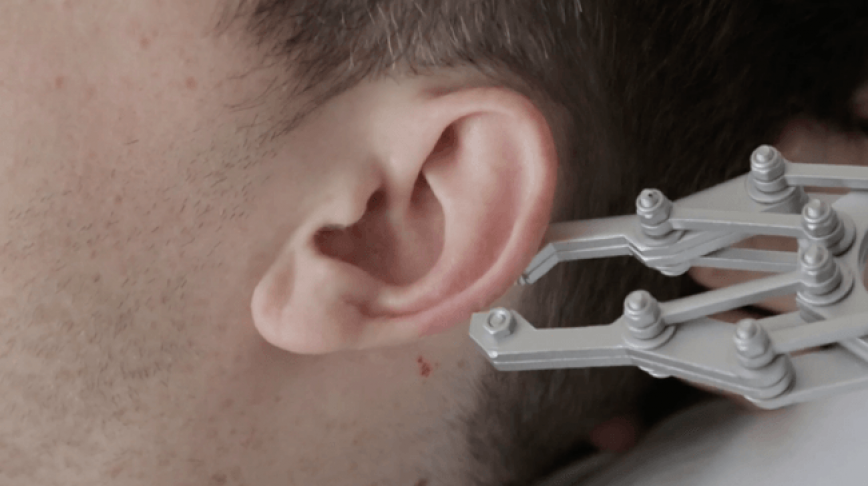
"Misbehaving (Ro)bots" asks whether technology could hope to replicate these small bothersome quirks that instill a feeling of intimacy.
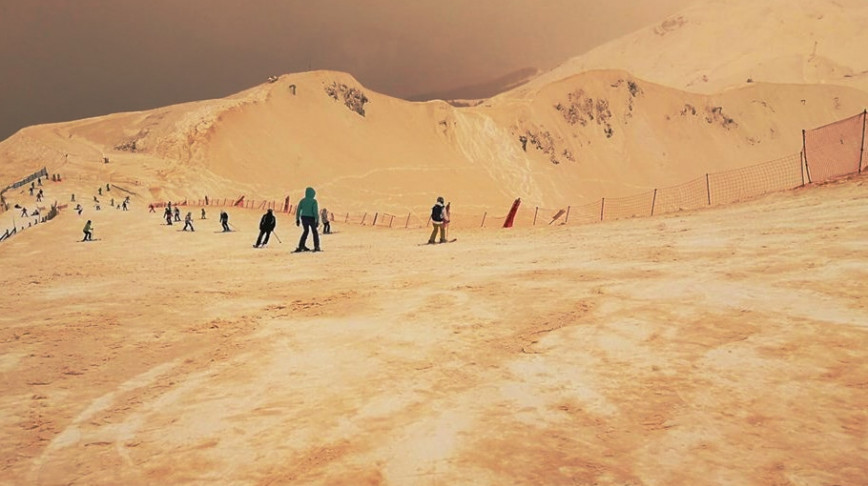
For those experiencing symptoms of motion sickness in VR , it’s now possible to step inside a real-life simulation of what it could be like to ski on mars. Last week, desert dust …
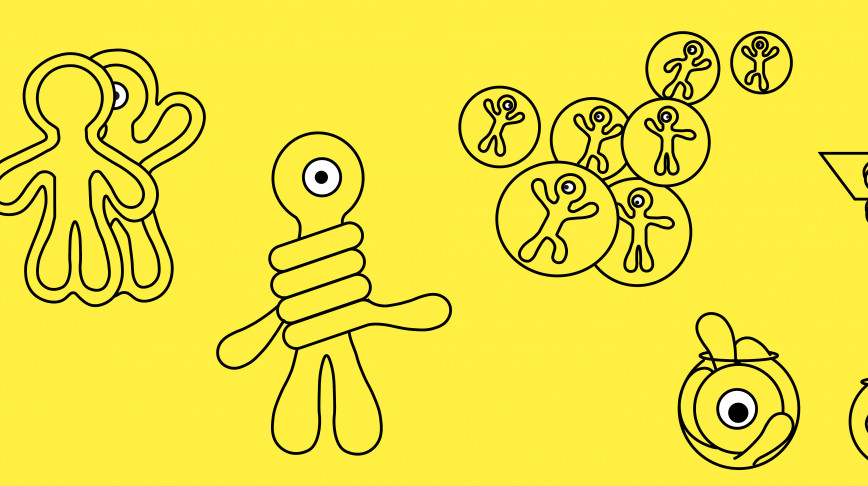
During these challenging times, we have tried to find happy moments together where we could find them. From weekly Zoom lunches to having online wine tastings, still, it doesn't …