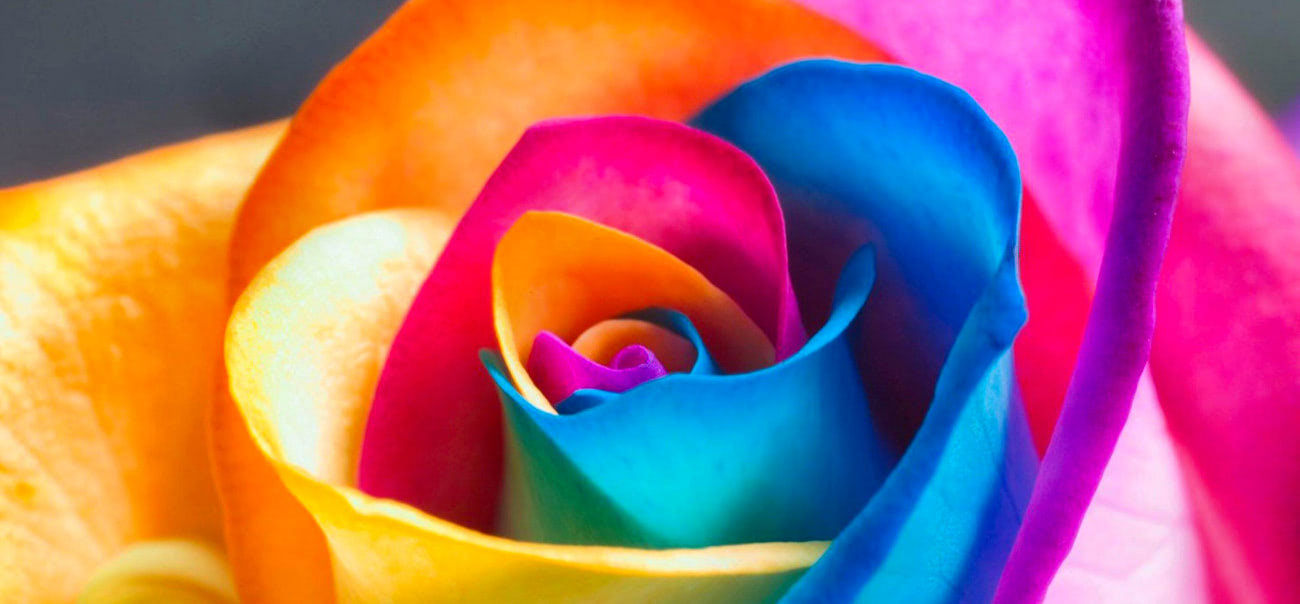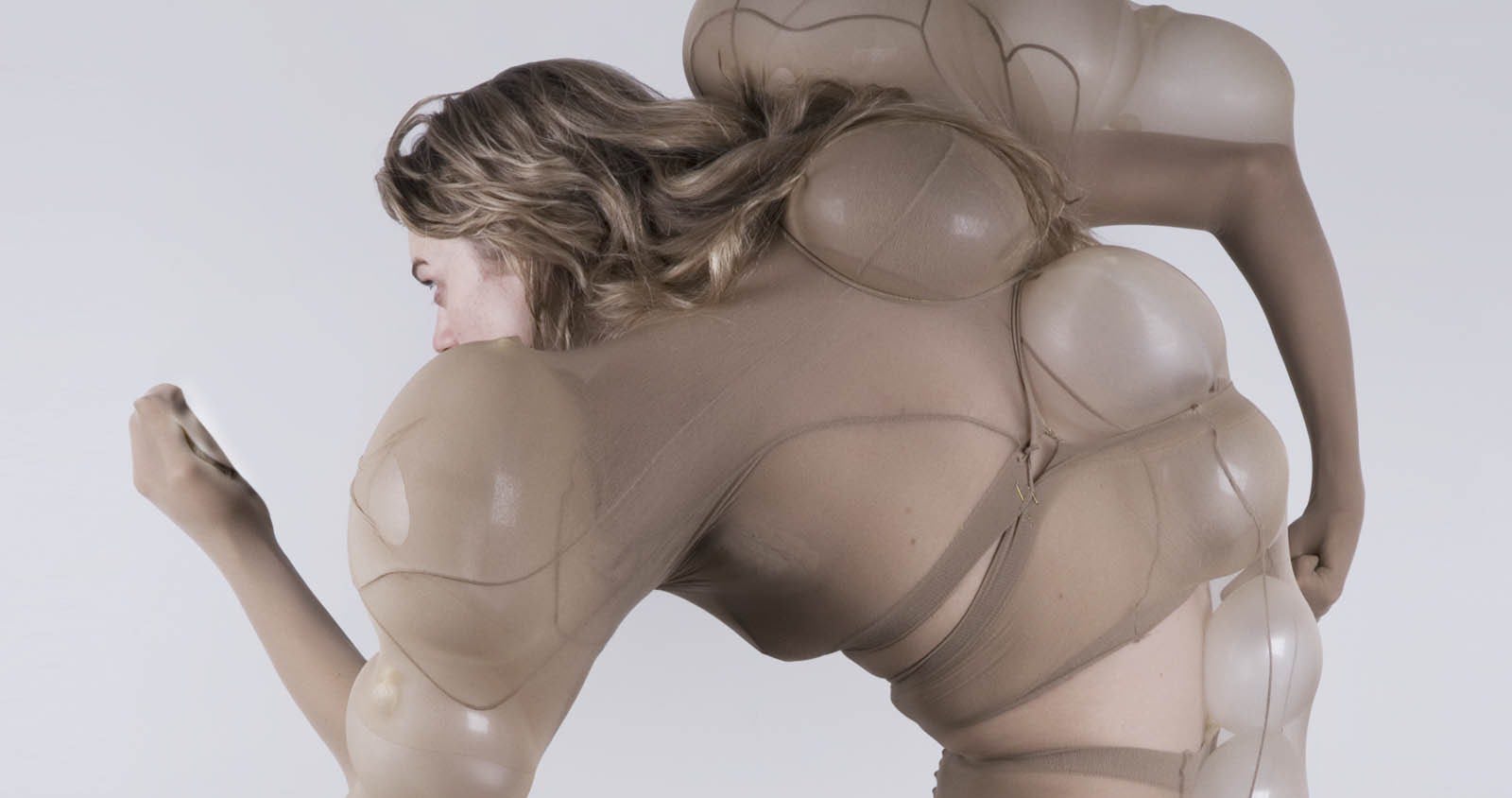
With our attempts to cultivate nature, humankind causes the rising of a next nature, which is wild and unpredictable as ever. Wild systems, genetic surprises, autonomous machinery and splendidly beautiful black flowers. Nature changes along with us.
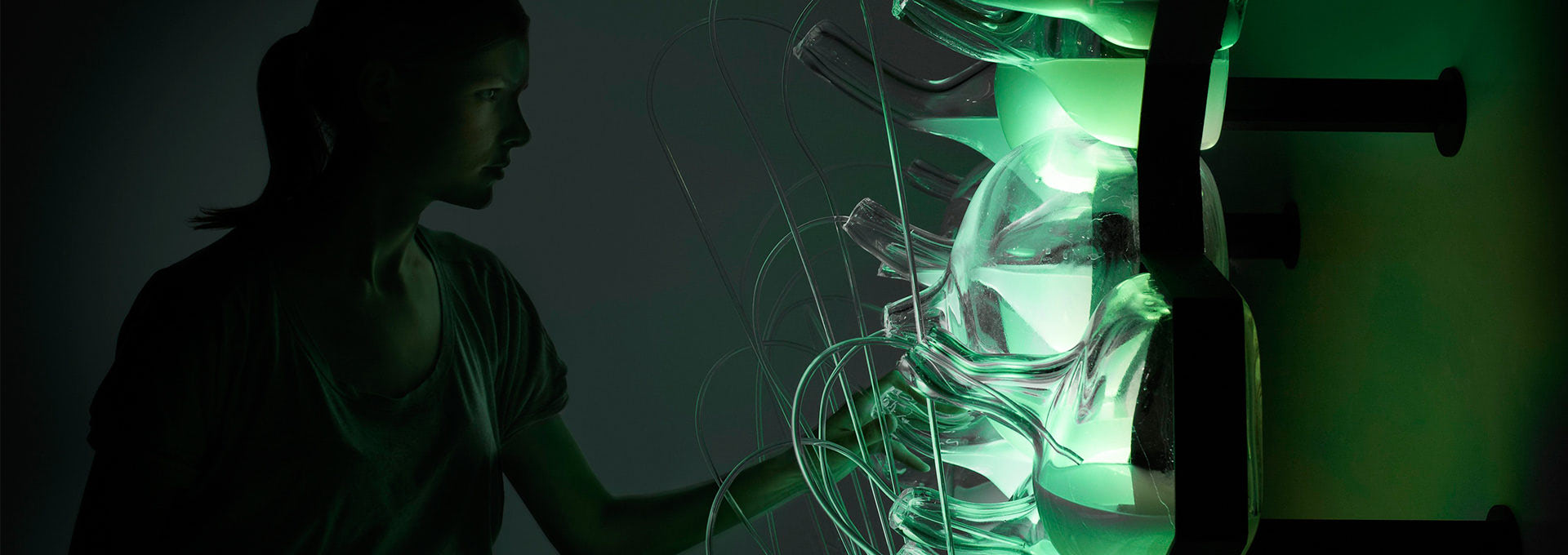
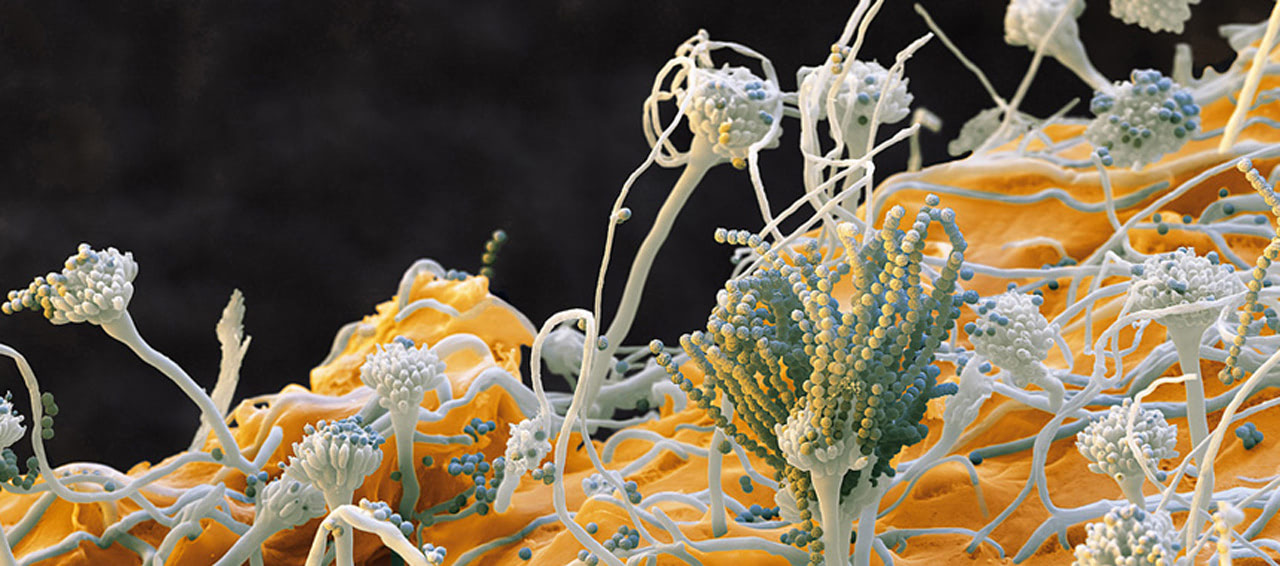
Humans have relied on microbes for millennia. Yeast brews our beer and raises our bread. Bacteria in our guts keep us healthy. Microscopic phytoplankton in the ocean produce half of the world’s oxygen.
Thanks to genetic engineering, technology, and good old evolution, humans are about to enter into a new phase of our ancient partnership. We may soon create bacteria that eat plastic, emit light, and even tell us whether or not we’re healthy. When it comes to microbes, big things come from small packages.
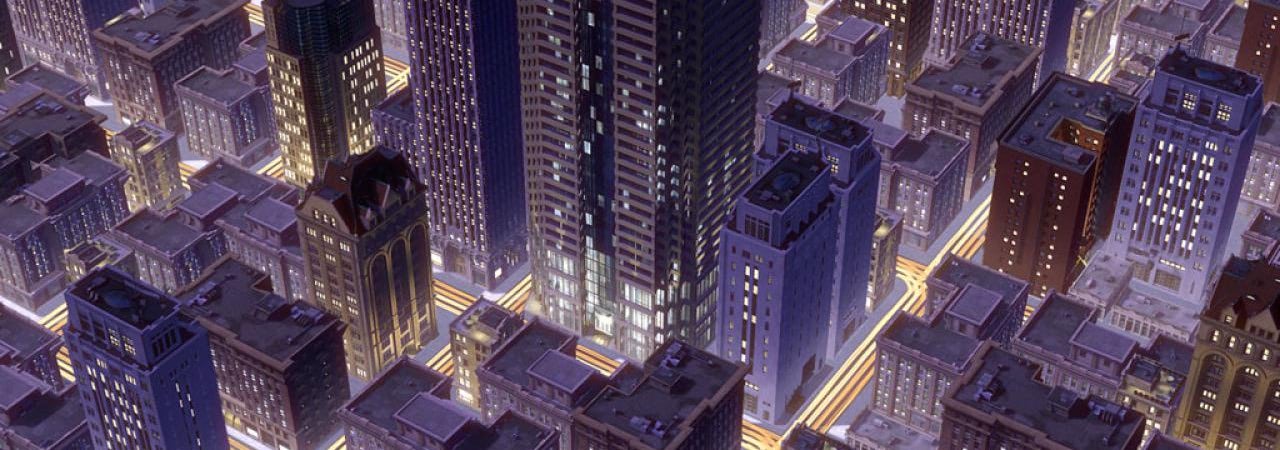
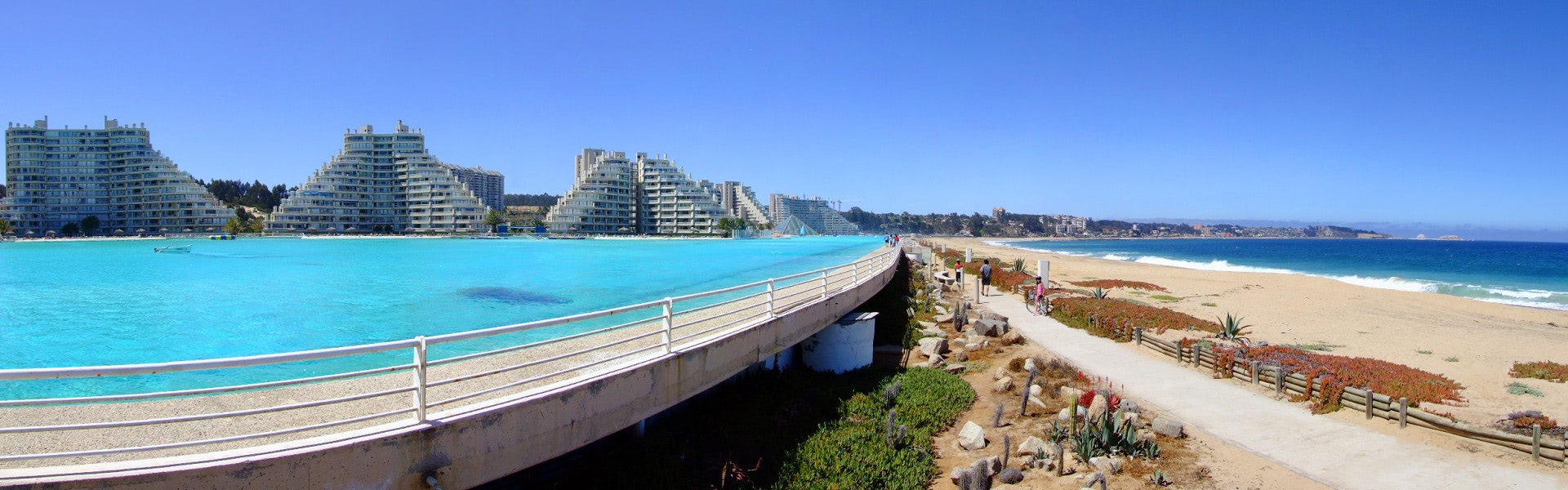
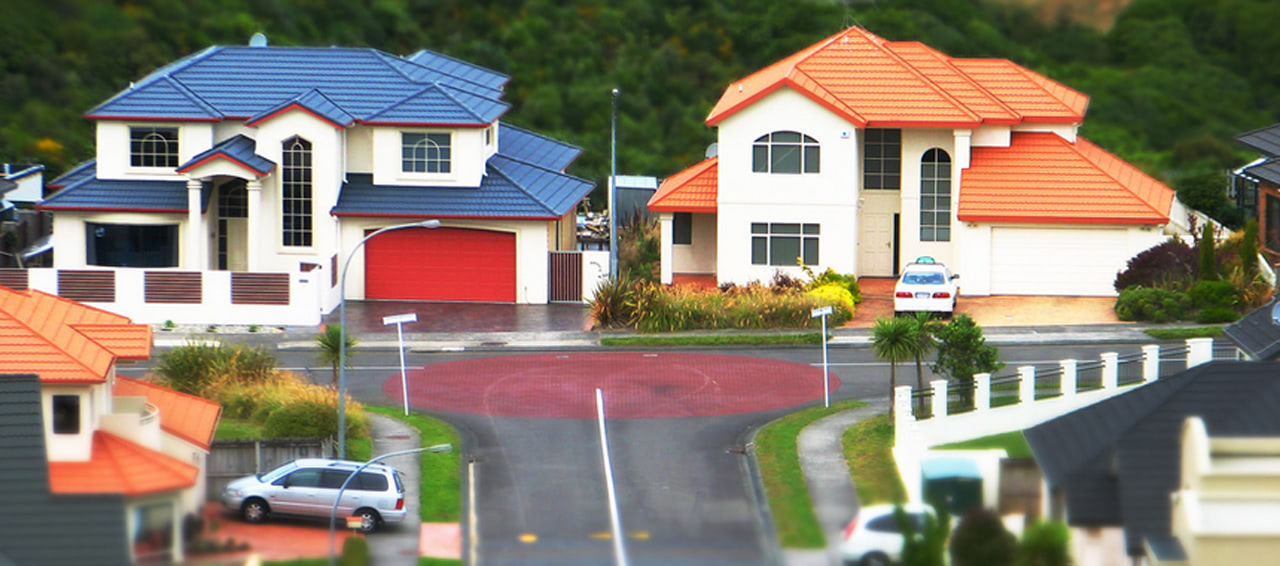
Welcome to the suburban utopia, where everyone owns a home, a car and an iSomething. All of your needs have been met, and every detail has been planned.
But is something missing? Or are you not good enough for the perfect world? The image of the suburban utopia may be cracking under the pressure of perfection. Even here there are risks and unexpected phenomena. Nature, and human nature, has a way of disrupting even the most squeaky-clean environment.
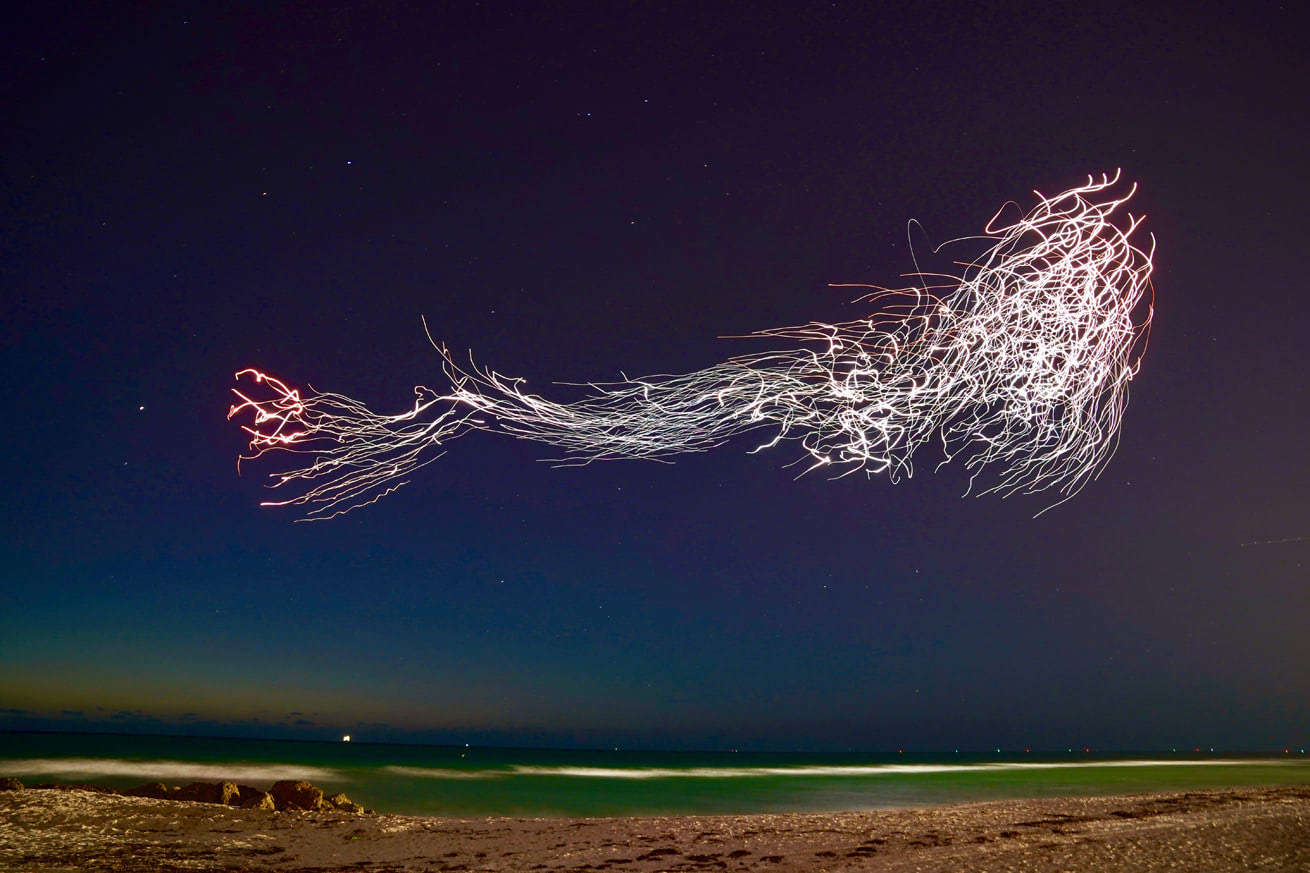
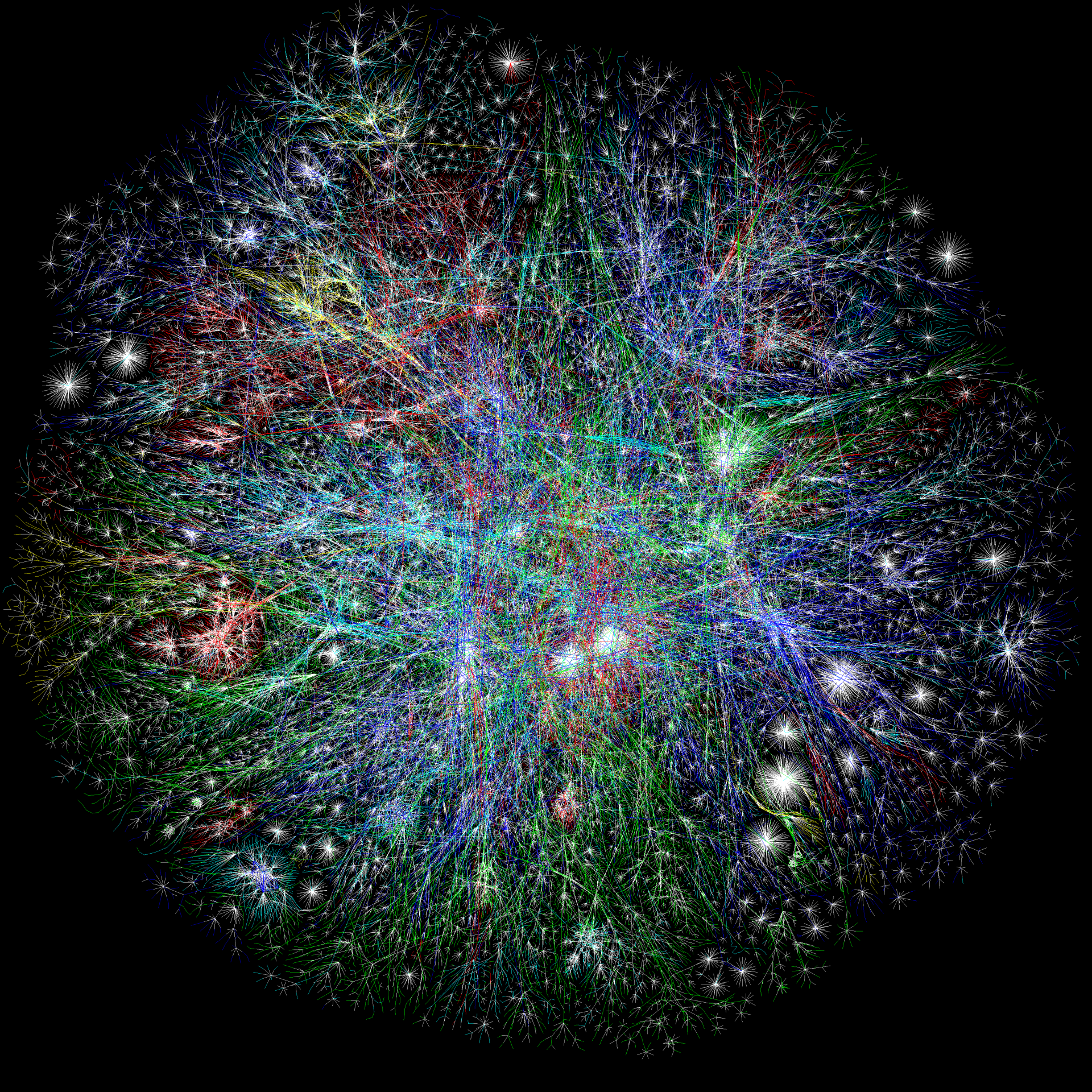
We like to think that we are in control of our offspring. But just like children grow up, so do our systems. Human technologies have become so complex that they now behave like independent ecologies.
Algorithms run the stock market. Computer viruses keep going long after their creators have set them free. Genetically modified organisms thrive in the wild. In this new world of wild, technological beasts, will humans be at the mercy of our monsters?
During human evolution, work and leisure were not separate concepts. With the rise of modernity, factory and office work has domesticated us to follow clock time and artificial light. Yet how “natural” is it to sit in front of a computer screen eight hours a day?
We need technology that resonates with our senses, rather than numbing them, that empowers the human condition, rather than undermining it. How can we create an office garden that teeming with life and possibility?
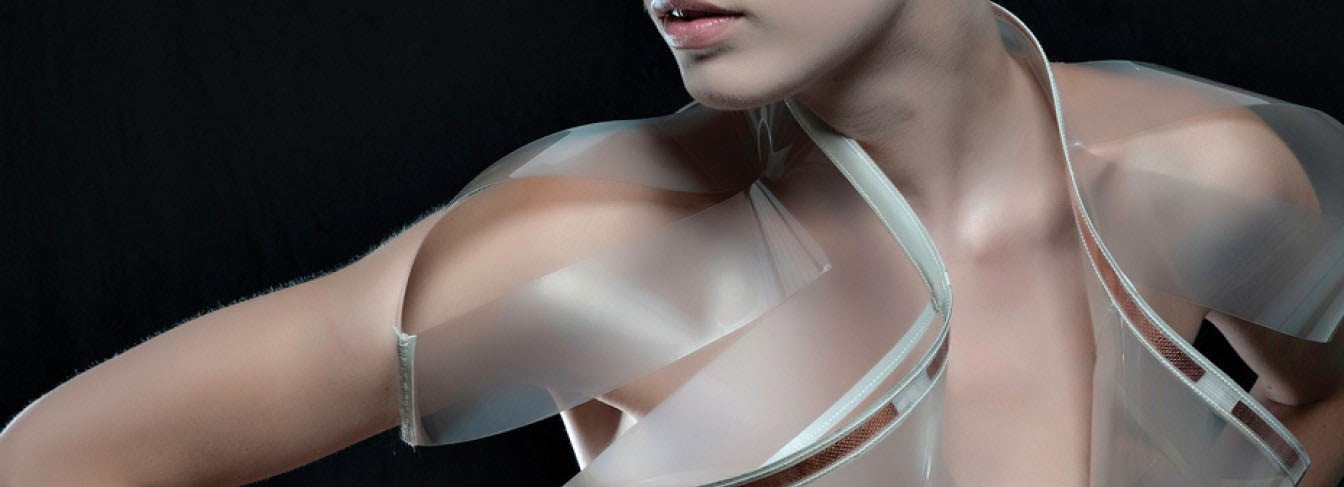
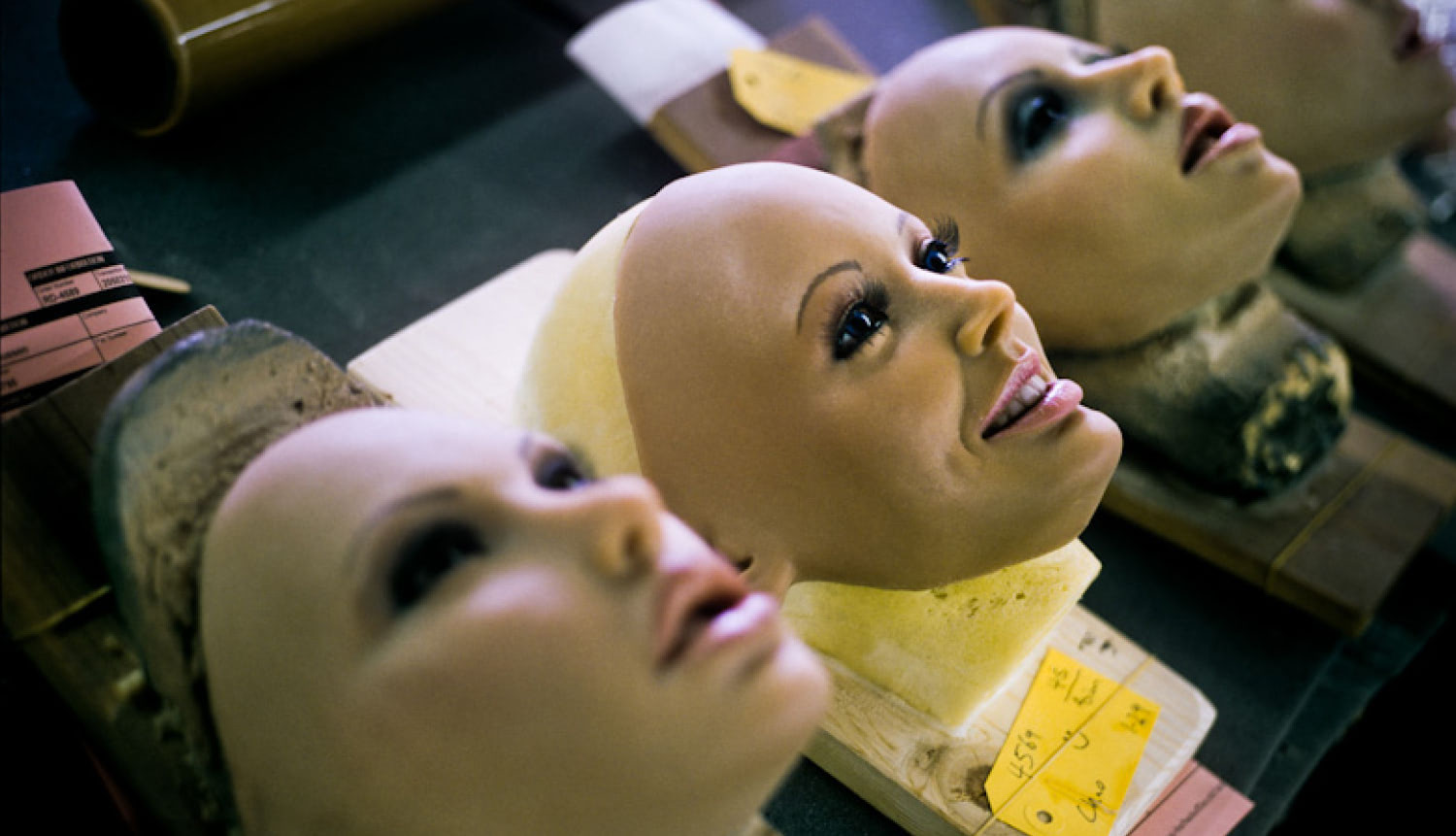
Anthropomorphobia is the fear of recognizing human characteristics in non-human objects. The term is a hybrid of two Greek-derived words: ‘anthropomorphic’ means ‘of human form’ and ‘phobia’ means ‘fear’.
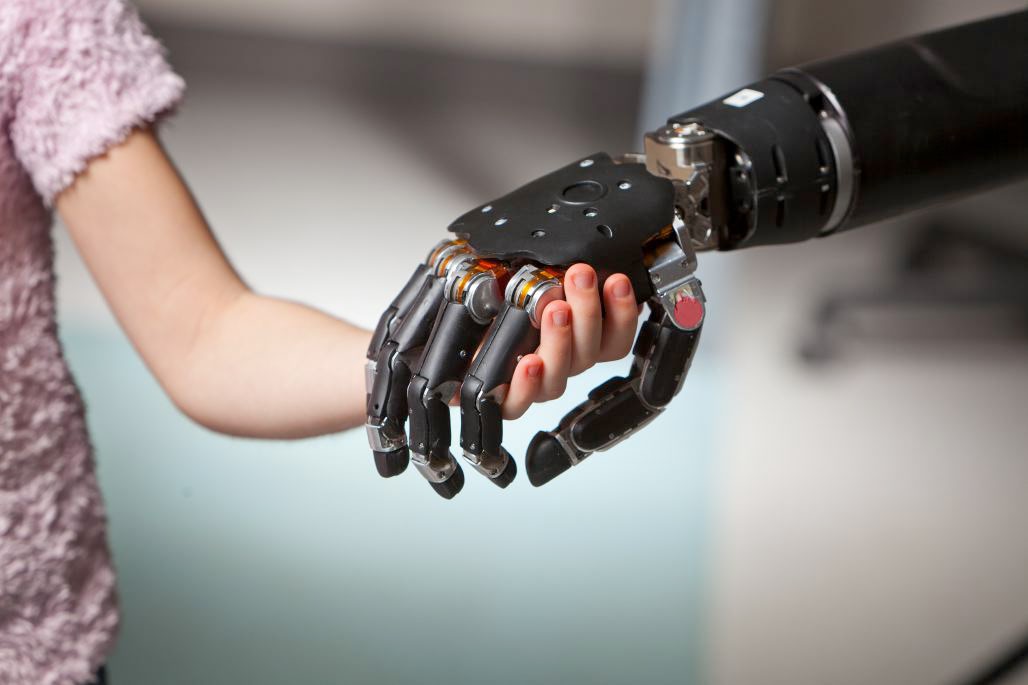
Its symptoms are irrational panic attacks, disdain, revulsion, and confusion over things that change what it means to be human: plastic surgery, robots, and intelligent animals. Will anthropomorphobia eventually become public disease number one?
Humans create some pretty clever designs, but until now, our constructed environment has largely been static. It’s time to take a hint from old nature and teach our buildings and products how to grow, adapt, and repair themselves.
Using the principle of guided growth, fruits manufacture their own packaging, and chairs are designed to mimic bones. Even our buildings may eventually have the same urge to eat and breath as the residents inside.
Fake nature is a replica of old nature. Where ‘authentic’ nature is organic, genetic, and alive, fake nature is not. It projects the illusion of life, be it plant or animal, on man-made and inanimate objects.
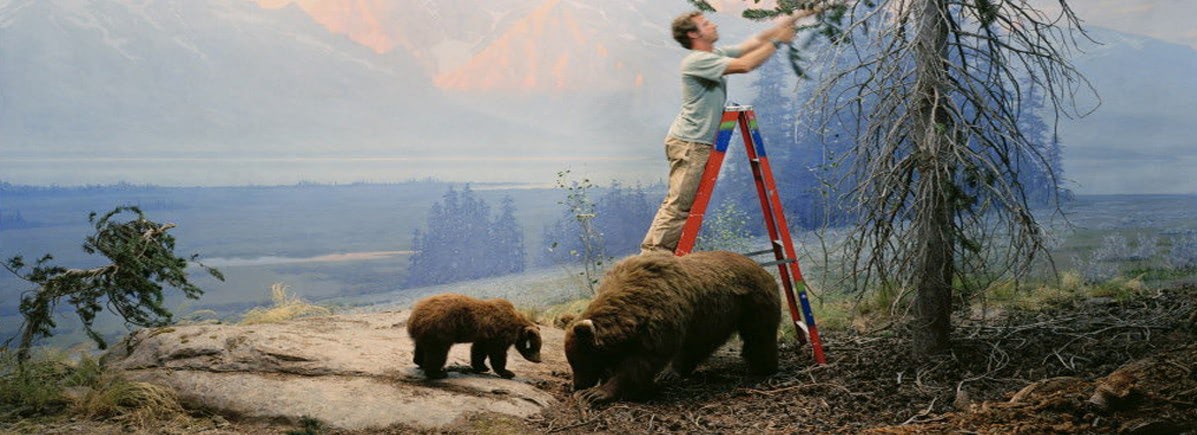
Yet fake nature is not a dull, devalued shadow of living nature. It is rich in cultural associations that grow, morph, and interact with society and the natural environment. Phone antenna trees grow alongside real pines, dioramas are carefully studied, and the mountains themselves are under girded with steel.
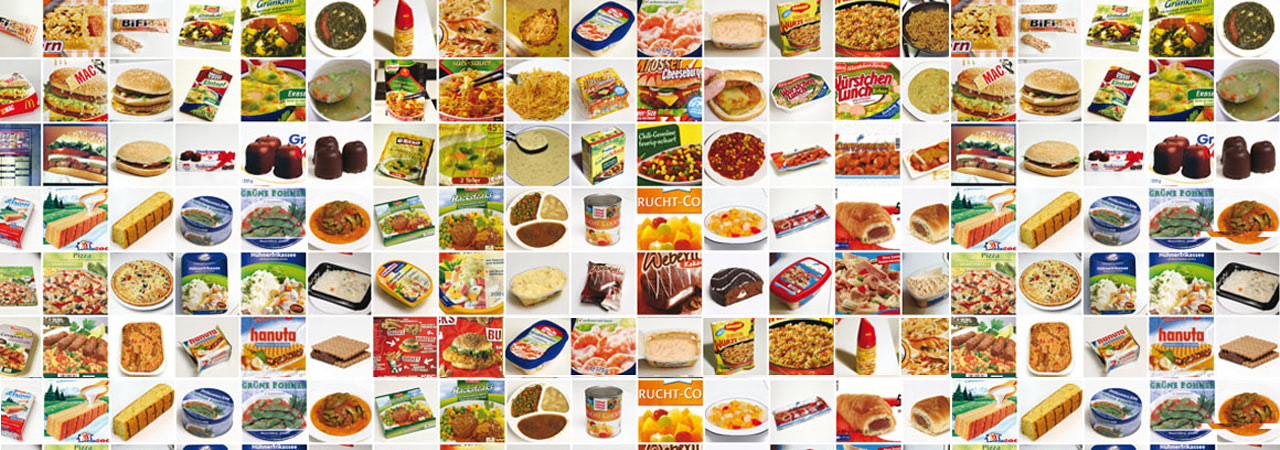
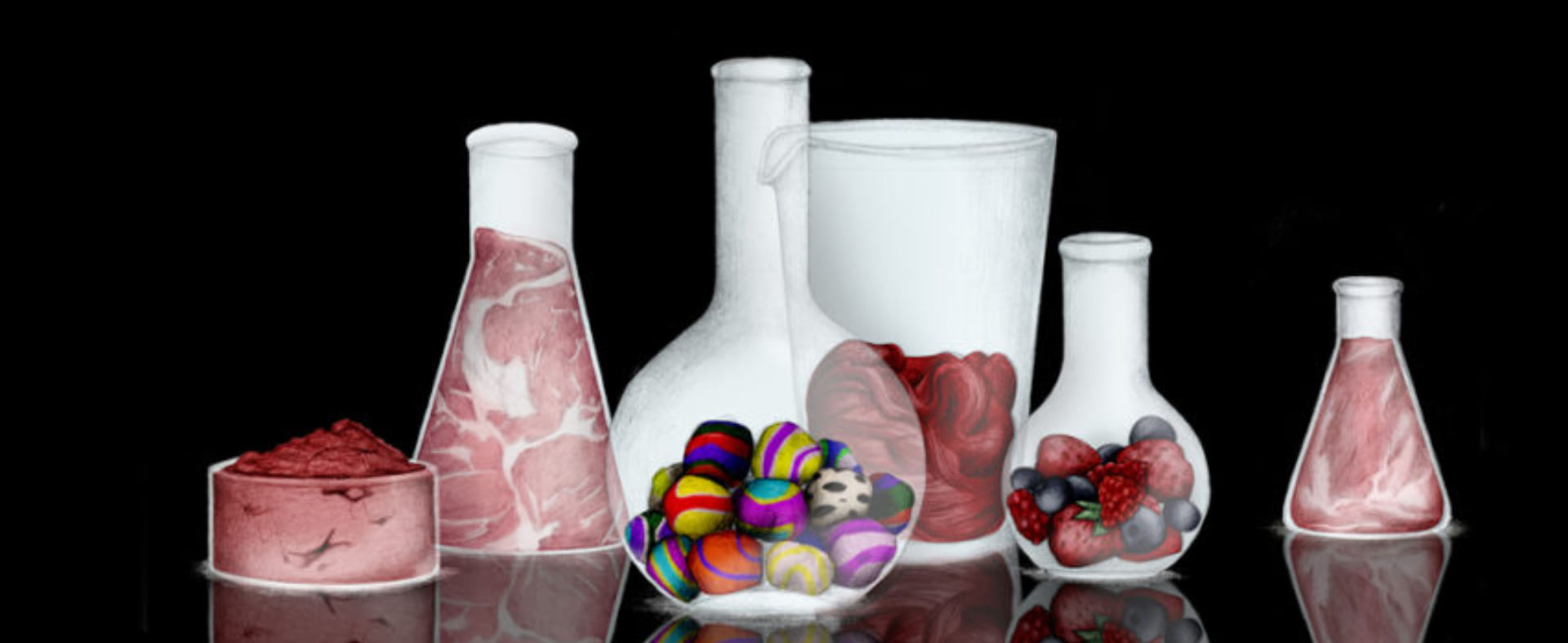
Food is marketed as ‘wholesome’, ‘farm fresh’, and ‘all natural’, but there’s a whole lot more going on in that can of Pringles than plain fried potatoes.
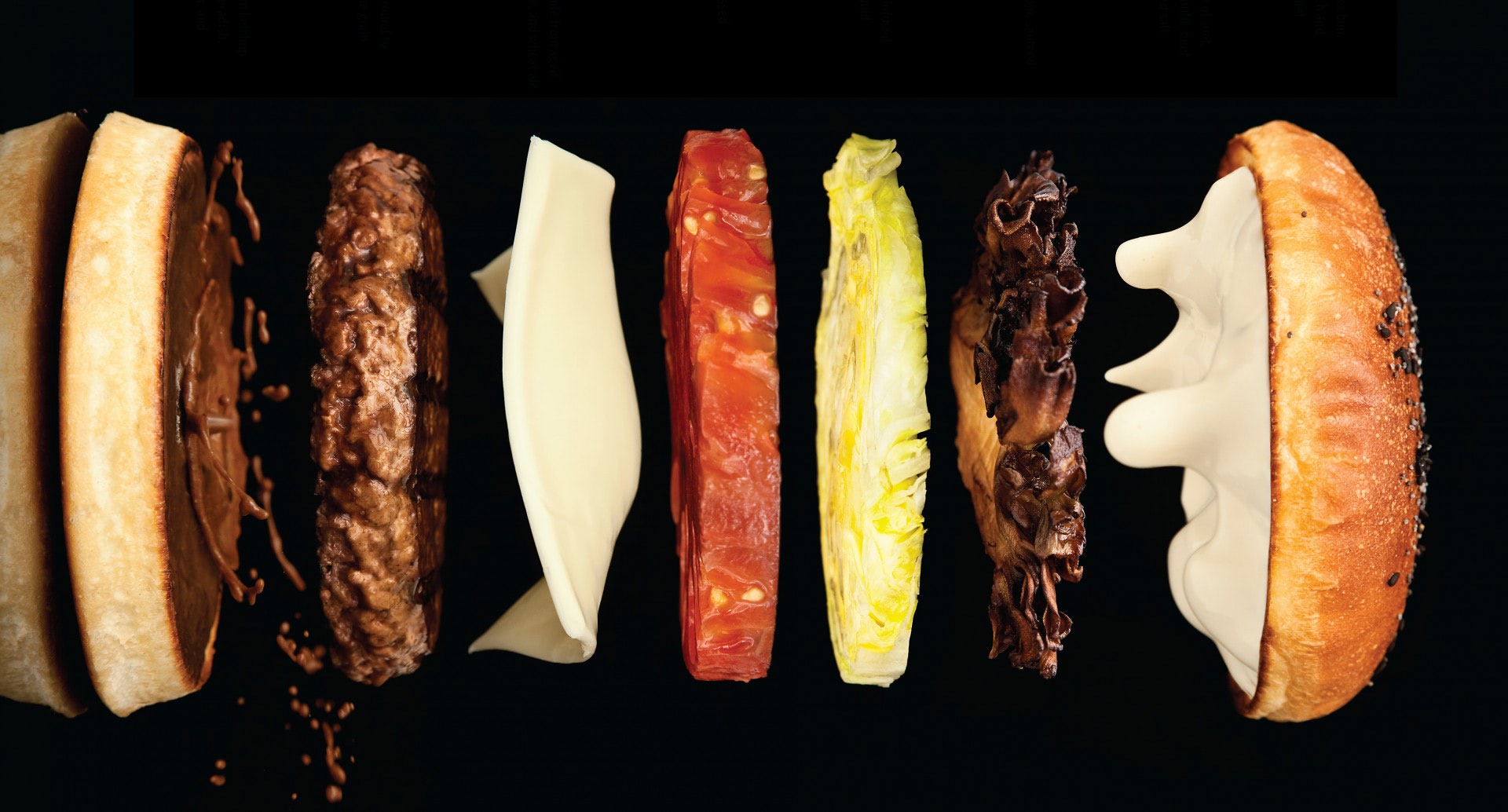
Of all technologies, food technology does the best job of wrapping futuristic advancements in a veneer of old nature. Fake flavors become natural, while “fresh” food lasts for years. But don’t be deceived: bread comes from a can, eggs come from a tube, and everything else comes from the lab. With the development of molecular gastronomy and 3D printers, gastronomes have even taken industrial food science and turned it into an art.
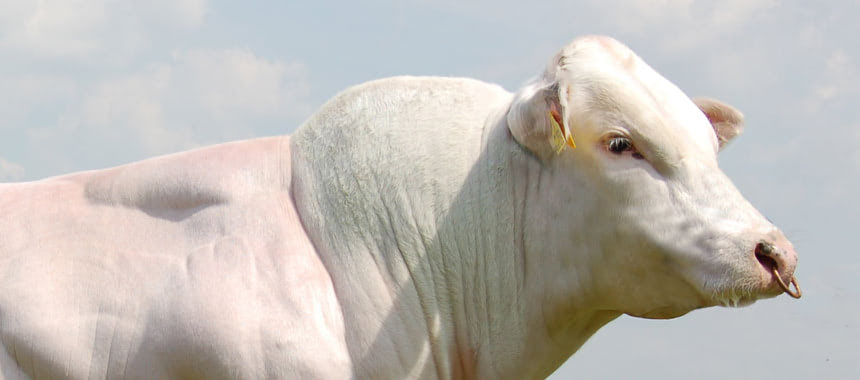
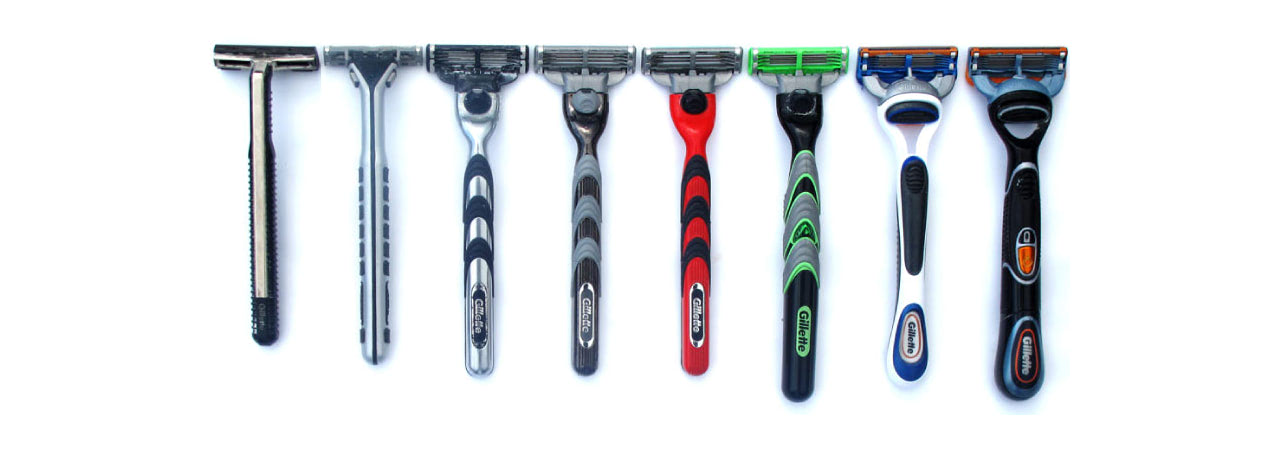
From the moment humans and wolves first decided to play nice with one another, humans have been directing the development of other animals. After 30,000 years, we have tiny chihuahuas, angora rabbits puffed like pompoms, and Belgian blue cattle with ‘double-muscling.’
Our best friends are just as carefully designed as the latest piece of technology. There’s no doubt that we will bring whole ecosystems of manufactured animals into the world. Where selective breeding stops, genetic modification begins. Next nature will be overrun with next animals.
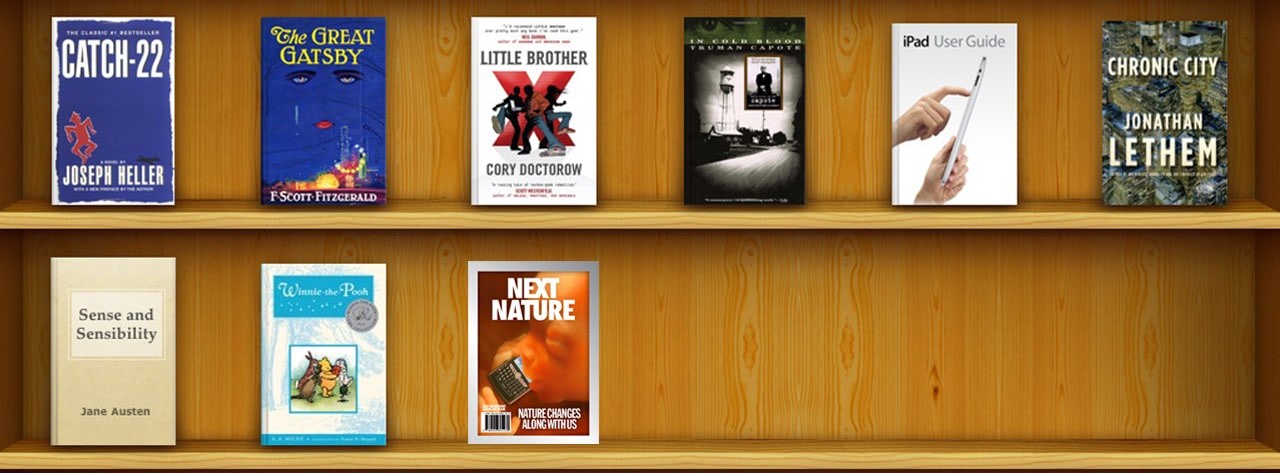
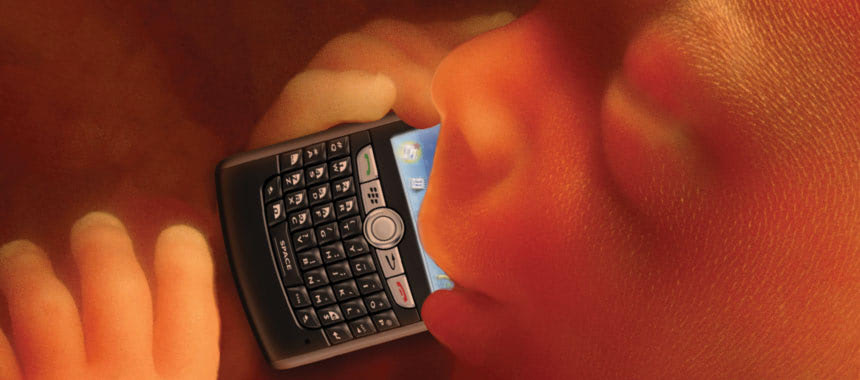
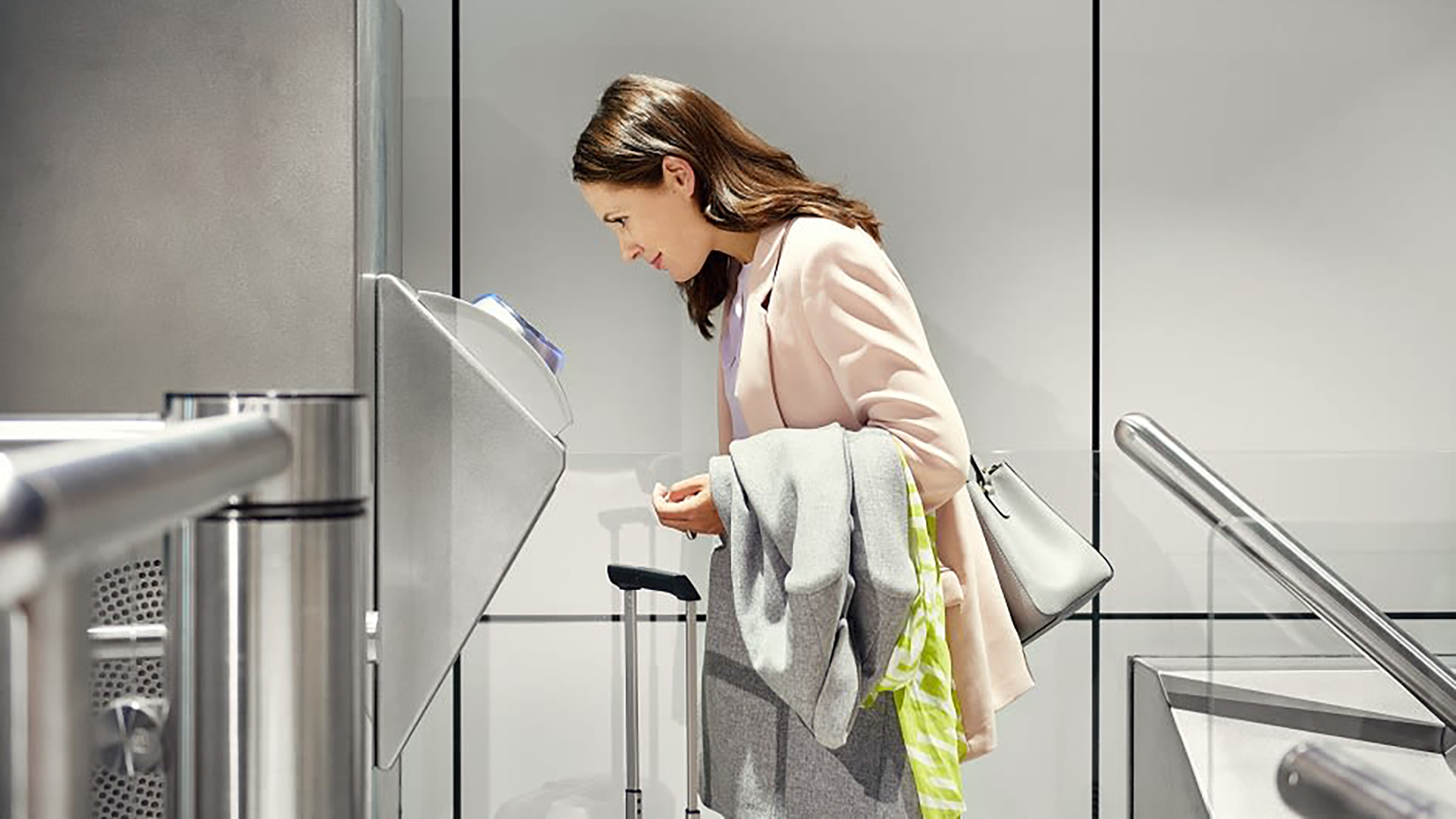
Much of the data in our lives comes from square, electronic screens. We get our news from the television, our books from e-readers, transportation schedules from LED screens, and everything else from computers and mobile phones.
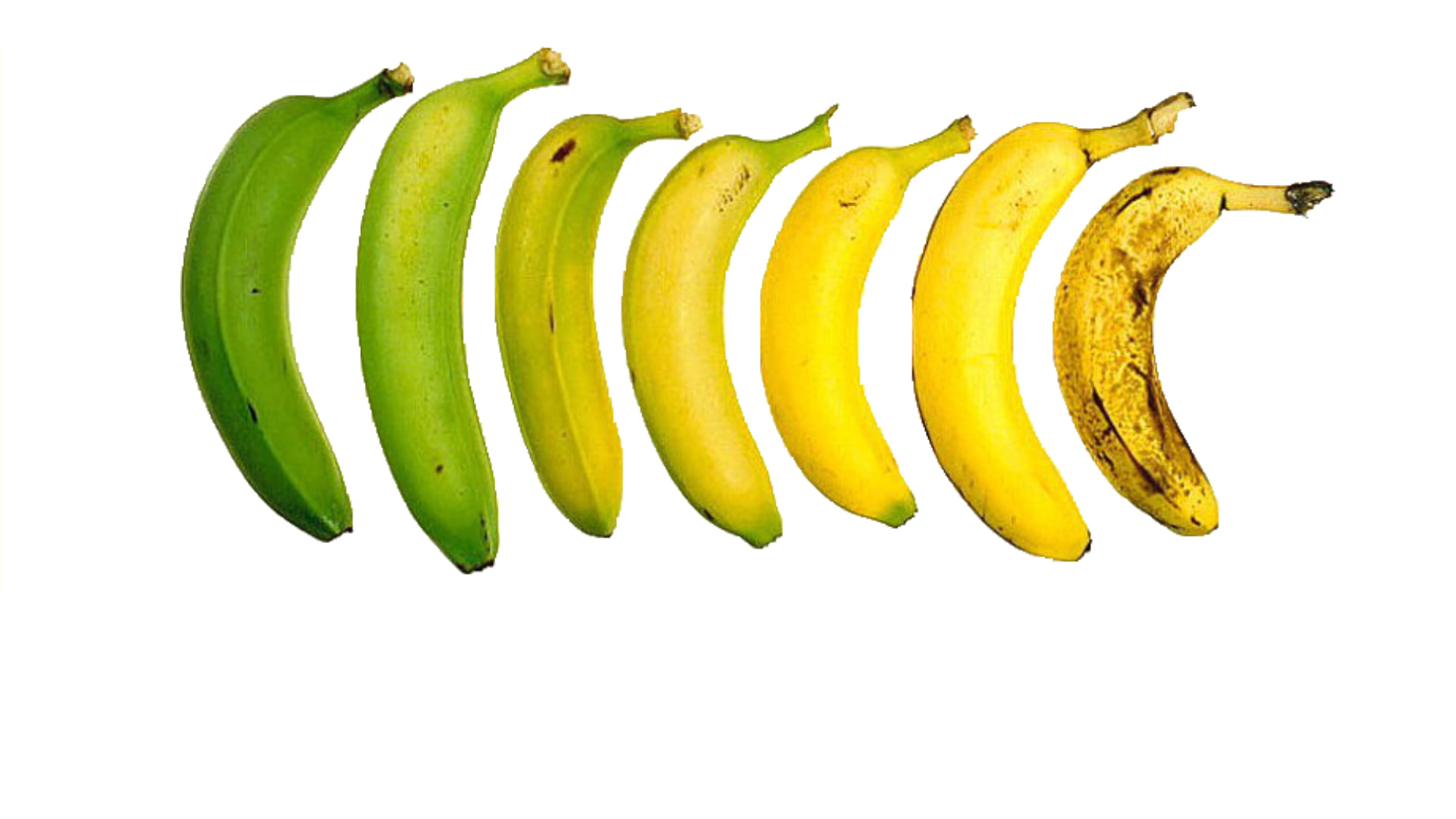
Nature encodes information in some elegant ways: the fish that changes color when it’s ready to mate, the banana that turns yellow when it’s ripe. ‘Information decoration’ takes its inspiration from old nature to present data in an unobtrusive manner, helping to restore depth of meaning to the built environment.
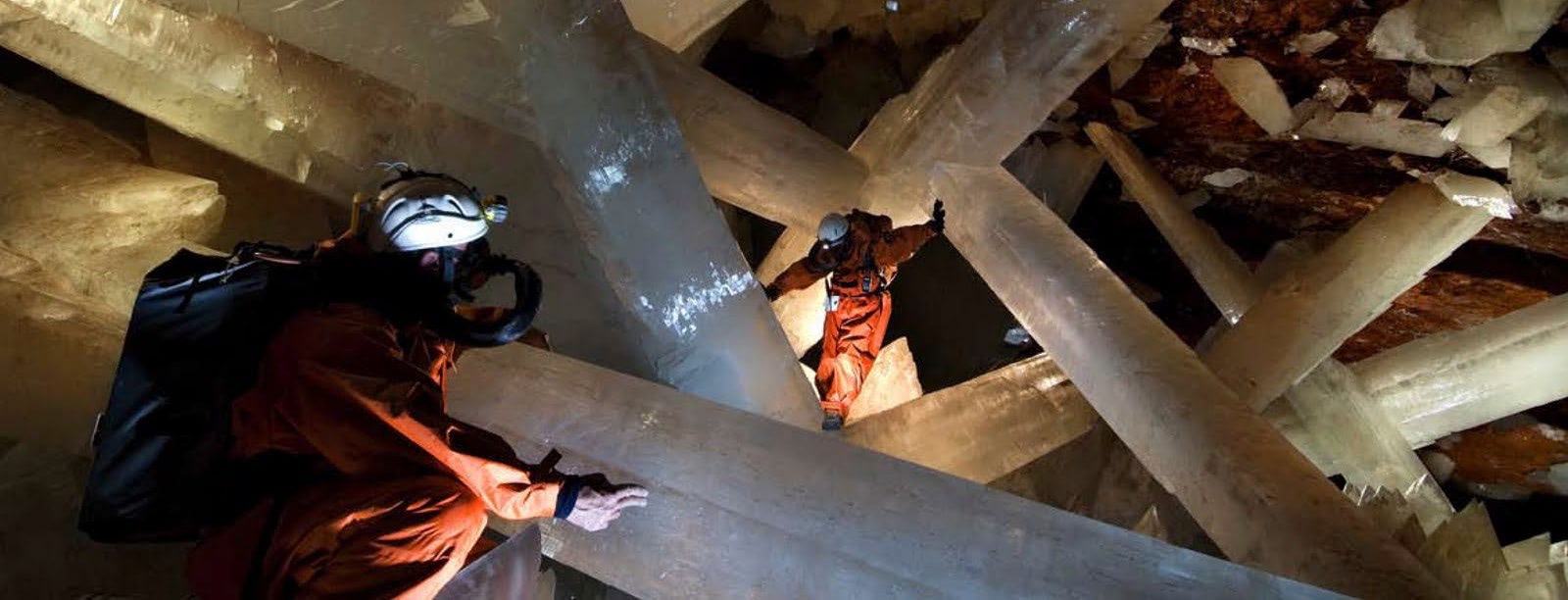
Much of the so-called ‘nature’ in our lives has taken on an artificial authenticity. Engineered tomatoes are redder, rounder, and larger than the ones from our gardens. We have made fluorescent fish, featherless birds, and botanical gardens that contain species from every corner of the globe.
Human design has made nature hypernatural. Hypernature is an exaggerated simulation of a nature that never existed. It’s better than the real thing: a little bit prettier, slicker and safer than the old kind. Hypernature is culture in disguise.
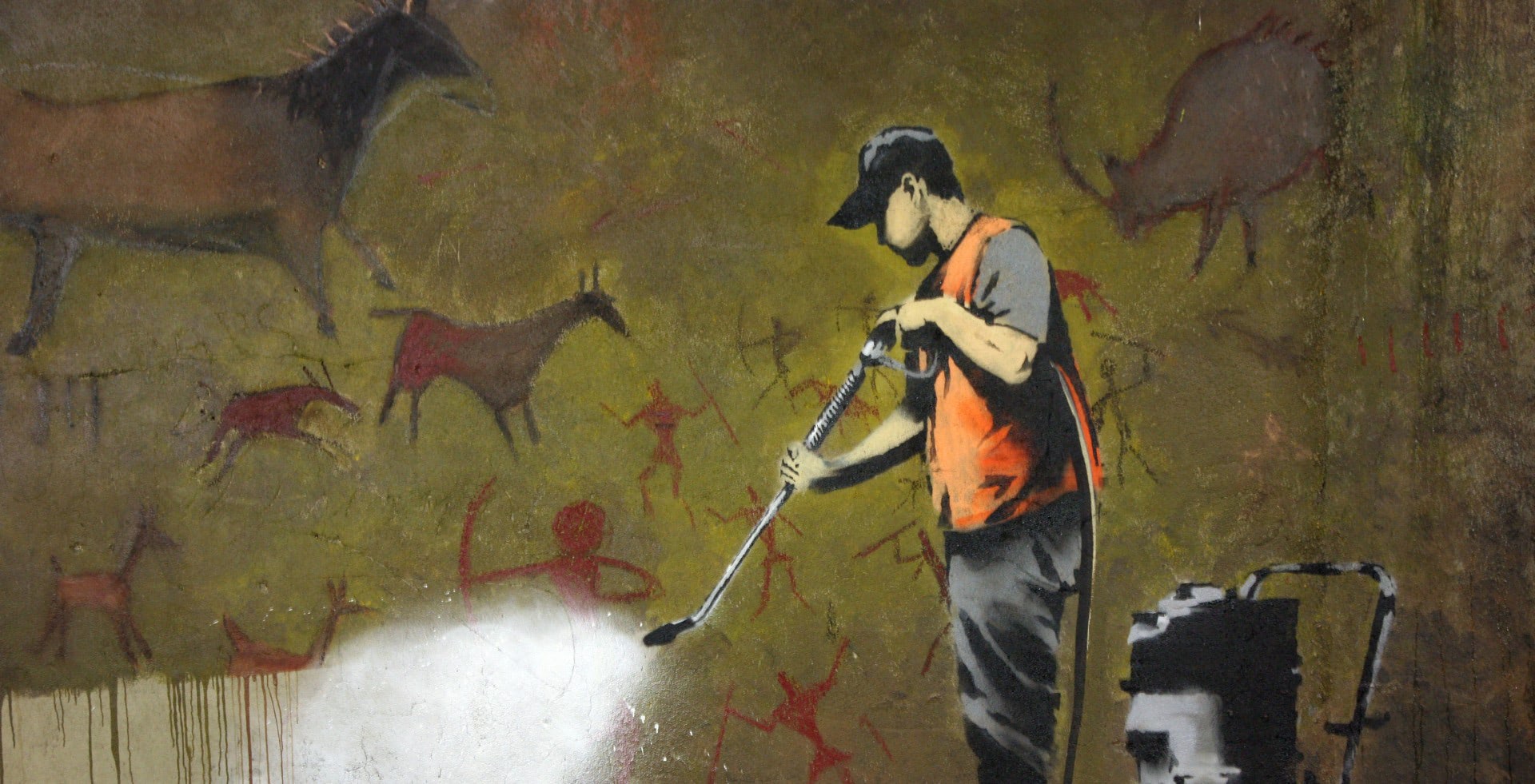
Modernity tried to whitewash our tribal selves, to erase the vestiges of the savannah in our genome. But like graffiti in a city, our inner caveman is irrepressible. The ancient hominid self springs up unpredictably and in unexpected places.
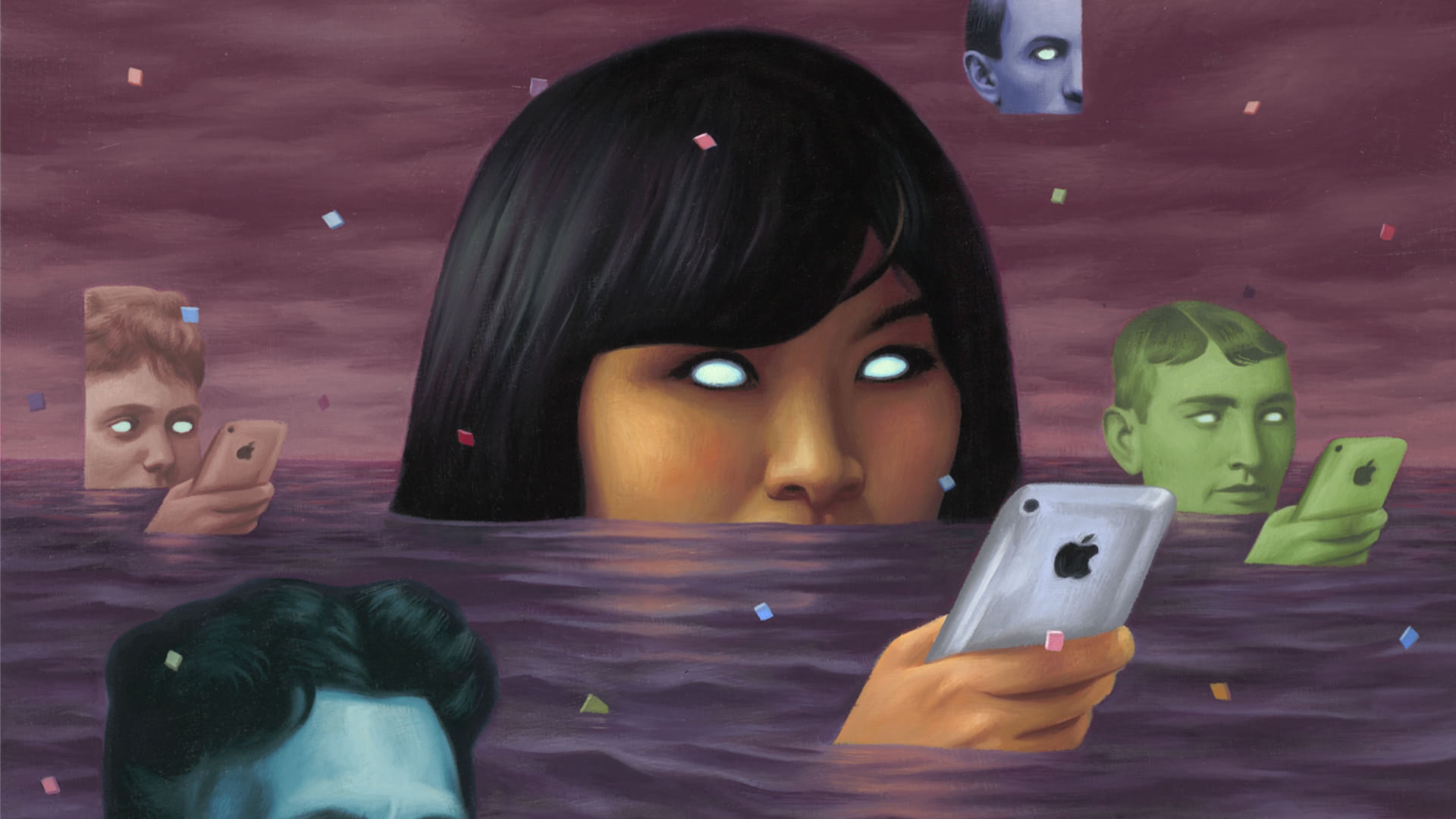
The tribe underlies the most fundamental parts of our identities, but that doesn’t mean it’s easy to pin down. How far have we moved from our small bands of foragers? Digital technologies like social networking sites and cell phones return us to an age of tribal-style social immersion.
We use metaphors to introduce unfamiliar technologies: the horseless carriage, the electric candle. Analogies place novel developments within existing structures of meanings and relationships.
For digital natives, the online realms may become more familiar than aspects of the ‘real’ world. Warfare is like a first-person shooter, New York is one of many Sim Cities, and peer groups are best understood in terms of how they relate on Facebook. When analogies are transferred from the virtual to the physical world, the traditional flow of meaning is reversed. The metaphor has boomeranged.
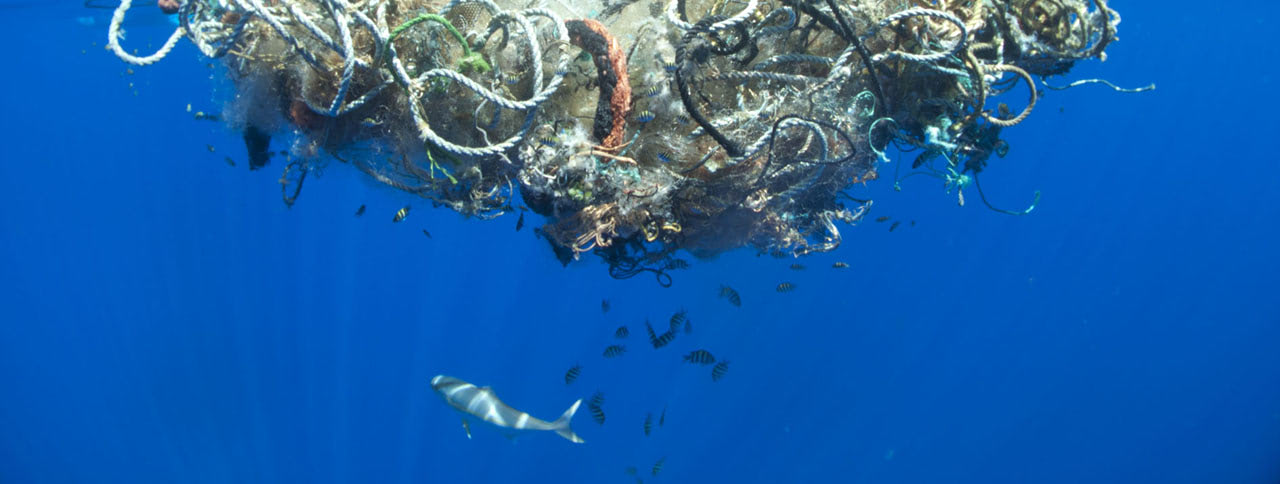
The United States throws out 25 billion plastic water bottles each year; a ‘patch’ of plastic garbage twice the size of Texas now swirls in the center of the Pacific Ocean. From its invention in 1907, plastic and plastic-derived chemicals have worked their way into the rungs of every food chain on Earth.
Plastic might be the newest nutrient in the planet’s ecosystems, but so far, nature has yet to find a use for it. The only sensible way to think of plastic is as a raw Next Nature material, waiting for its balancing counterpart to evolve. We only have time: the average plastic bag will linger for your great grandchildren to clean up 1,000 years from now.
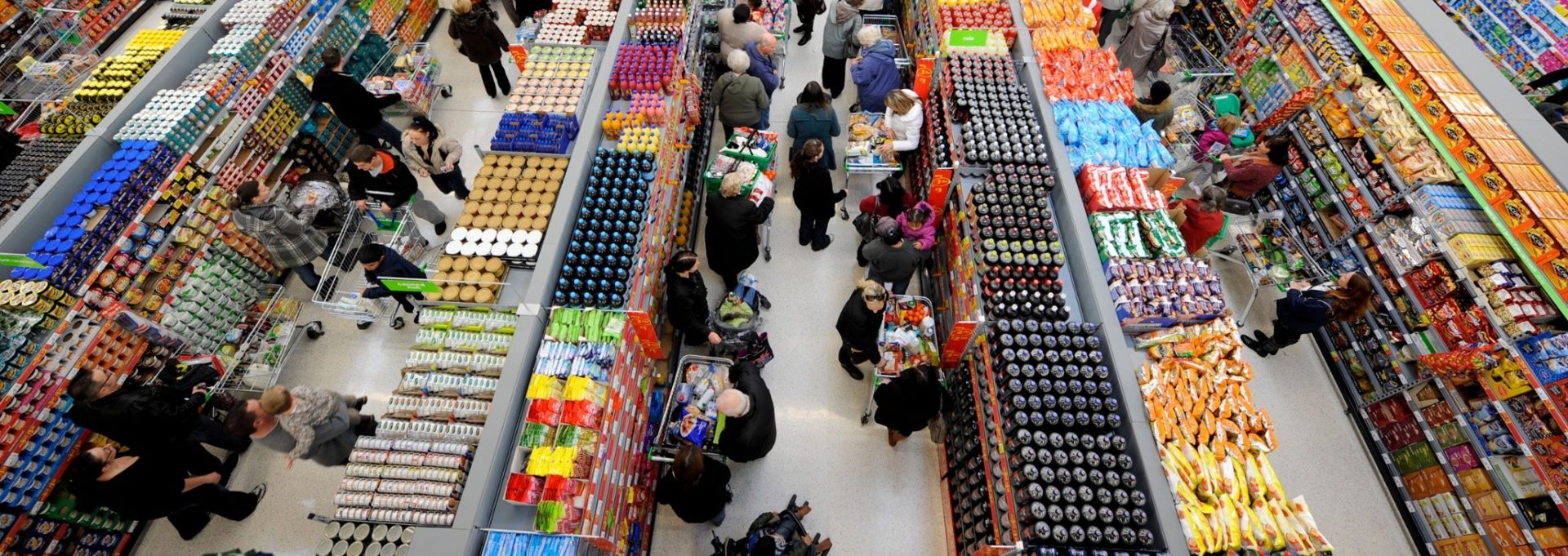
Humans evolved in an environment where food had to be gathered & hunted. As we are evolutionary still attuned to this way of food finding, in many respect the concept of the supermarket is just as outlandish for us as for a caveman.
If only the supermarket wasn’t such a mundane part of our life, we would realize how exceptional this environment really is: The supermarket is our next savanna.
Nature is a terrific marketing tool and corporations know this. Somehow the natural reference provides us with a familiar feeling of recognition and trust. We call this phenomenon Bio-mimic-marketing: using images of nature to market a product.
Due to the countless campaigns that promote a one-sided positive image of the natural world, nature itself has become the most successfully marketed product of our time.
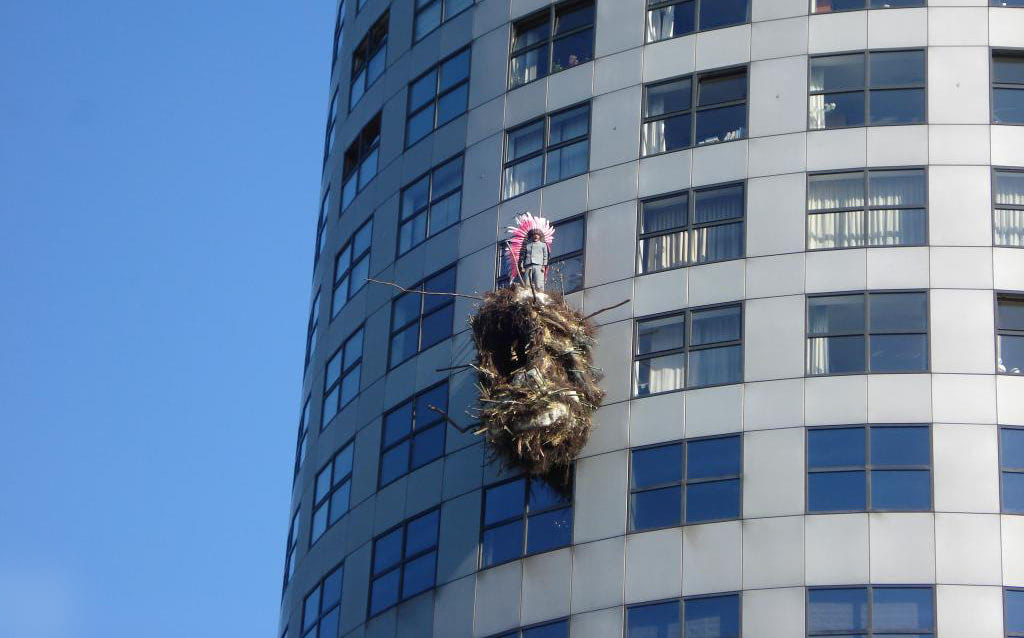
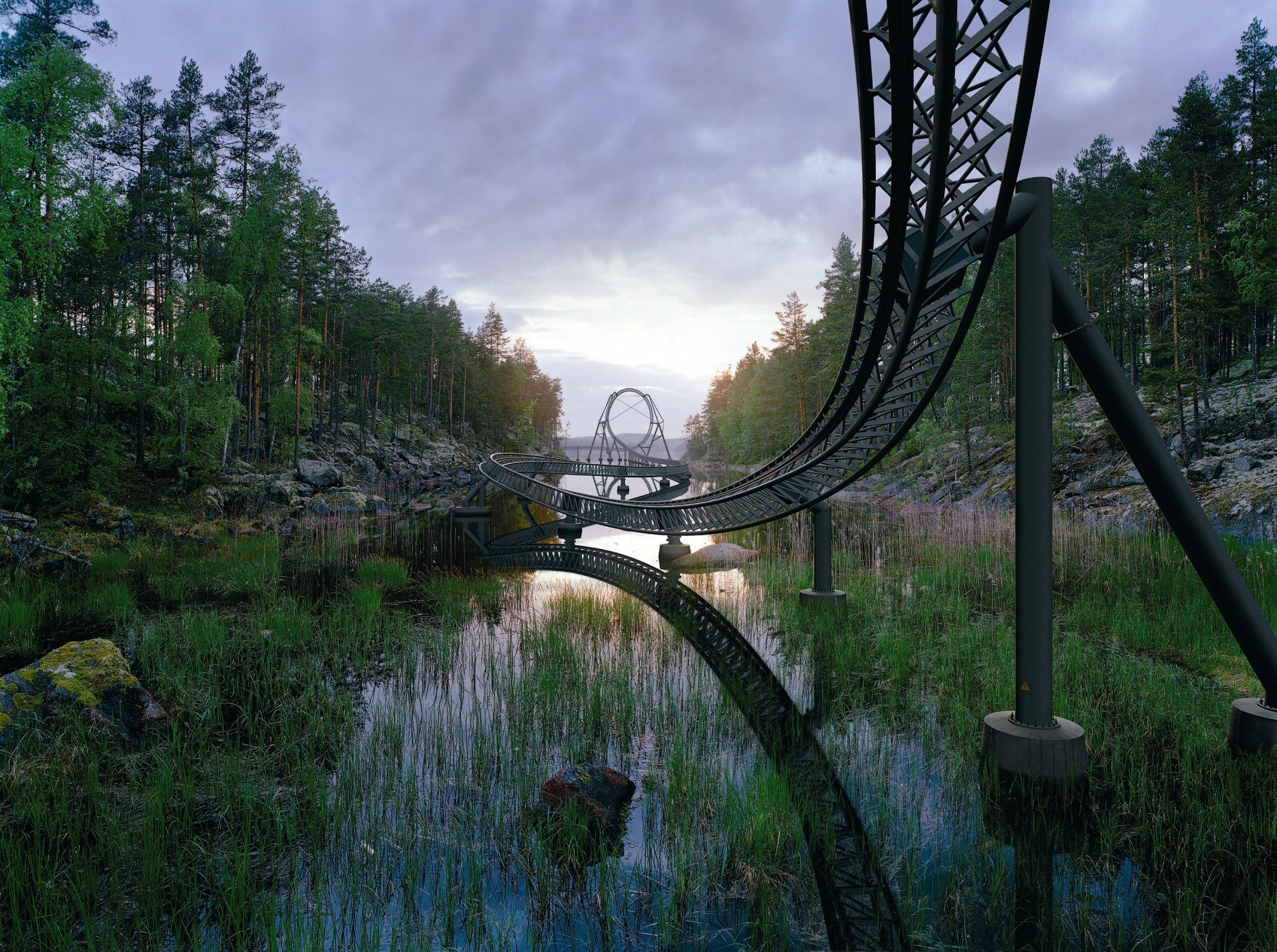
Some centuries ago landscape painters taught us to appreciate the quality of an untouched landscape. Ever since we have been doing everything to recreate it.
We camouflage cell phone antenna mast to look like tries. We fly thousands of miles to experience a pristine landscape. Some countries even go so far to reconstruct prehistoric landscapes at obsolete industrial sites – revived extinct animals included.
We debate saving nature, we dream about escaping to nature, but rarely do we ask “What is nature?” In an era when the influence of humanity is impossible to escape, our established notion of nature must be reconsidered.
We must no longer see ourselves as the anti-natural species that merely threatens and eliminates nature, but rather as catalysts of evolution. With our urge to design our environment, we cause the rising of a next nature that is wild and unpredictable as ever.